There is something wonderfully simple about a family beach holiday: sandy toes, salty hair, a bucket that becomes a treasure chest, and the very serious business of deciding who found the prettiest shell. The United States is blessed with an extraordinary coastline, from calm Gulf waters to wild Pacific shores and gentle Atlantic beaches made for paddling.
Of course, the “best” beach depends on your family. Are you looking for warm, shallow water, easy access, wildlife, quiet corners, or a little adventure between naps and ice creams? These family-friendly coastal escapes offer a lovely mix of comfort, natural beauty and memorable moments, with plenty of ways to travel a little more gently.
Siesta Beach, Florida: powder-soft sand and calm family days
On Florida’s Gulf Coast, Siesta Beach near Sarasota is famous for its wonderfully soft, pale sand. The sand is made largely from quartz, which stays surprisingly cool under little bare feet compared with darker sands. This matters more than you might expect when everyone is carrying towels, snacks and an assortment of damp swimwear back from the water.
The beach is broad, well-equipped and suited to families who appreciate practical comforts. Lifeguards are present seasonally, and the gentle Gulf waters can be appealing for younger swimmers. Families can spend the morning building elaborate sandcastles, take a break in the shade, then return for a late-afternoon paddle when the sun feels kinder.
- Best for: younger children, relaxed swimming and classic beach days.
- Family tip: bring a sun shelter, reusable water bottles and reef-conscious sunscreen.
- Nearby idea: explore Sarasota’s family attractions or enjoy a quiet picnic away from the busiest beach hours.
Arriving early is helpful, especially during school holidays. A small beach trolley, or simply packing light, can save tired parents from making several heroic trips between the car and the sand.
Cannon Beach, Oregon: dramatic scenery and gentle exploring
Cannon Beach is a magical choice for families who like their seaside escapes with a little drama. The enormous Haystack Rock rises from the shoreline like a friendly giant, creating a memorable backdrop for paddling, photographs and small-world stories invented by children on the spot.
The Pacific Ocean here is far wilder than the Gulf or Atlantic, so swimming requires care and close supervision. Instead, families can enjoy beachcombing, sandcastle building and watching seabirds. At low tide, tide pools may reveal anemones, mussels and tiny crabs. These delicate habitats are best admired with curious eyes and gentle hands before leaving every creature exactly where it was found.
Cannon Beach’s surrounding town is walkable and welcoming, with cafés, galleries and places to warm up after a breezy stroll. The weather can change quickly, even in summer, so pack layers. A sunny morning can quite cheerfully turn into a jumper afternoon—Pacific beaches do enjoy keeping us humble.
- Best for: wildlife spotting, tide pools and memorable coastal landscapes.
- Family tip: check tide times before visiting the pools and never turn your back on the ocean.
- Eco-friendly habit: stay off fragile dune vegetation and use established paths.
Coronado Beach, California: golden sand with a storybook feel
Just across the bay from downtown San Diego, Coronado Beach combines easy seaside fun with a beautiful historic setting. Its wide stretch of golden sand is ideal for long walks, kite flying and family games, while the gentle slope towards the water makes it pleasant for paddling.
The iconic Hotel del Coronado sits beside the beach, adding a touch of old-fashioned seaside charm. Families can look for shells, watch surfers in the distance and enjoy the sunset when the sand begins to cool. The beach is also close to parks, cafés and other child-friendly attractions, making it easy to create a varied day without spending hours in the car.
Beach accessibility is another strength, with facilities designed to make the shoreline easier to enjoy. Check local services in advance if your family needs beach wheelchairs or other equipment, as availability can vary.
- Best for: a first California beach trip, easy access and mixed-age families.
- Family tip: pack a light layer for the evening; coastal breezes arrive just as the children decide they are not tired.
- Nearby idea: combine the beach with a cycle ride or a visit to one of San Diego’s family attractions.
Coast Guard Beach, Cape Cod, Massachusetts: nature, dunes and soft summer light
Cape Cod has a way of making family holidays feel like pages from a gentle summer novel. Coast Guard Beach, part of the Cape Cod National Seashore, offers expansive sand, rolling dunes and a sense of space that invites everyone to slow down.
The water can be cooler than at southern beaches, but that does not always discourage determined children. Bring a wetsuit or rash vest for longer swims, and keep an eye on local conditions. The beach is popular, so parking arrangements and shuttle services may apply during busy periods.
Beyond the shoreline, families can explore easy walking trails, look for shorebirds and learn about the region’s coastal ecosystems. It is a wonderful place to talk about dune plants, erosion and why staying on marked paths helps protect the beach for future visitors.
- Best for: nature-loving families, long walks and quieter coastal learning.
- Family tip: bring warm layers, snacks and a small pair of binoculars for birdwatching.
- Green choice: refill water bottles before arriving and carry every wrapper home.
The Cape is particularly lovely outside the busiest summer weeks, when the beaches feel more peaceful and accommodation may be easier to find. Spring and early autumn can bring beautiful light, though swimming conditions will be cooler.
Hanauma Bay, Oahu, Hawaii: a colourful introduction to marine life
Hanauma Bay is one of Hawaii’s most famous coastal destinations, and its sheltered, crescent-shaped setting can be wonderful for families who want to discover snorkelling. The clear water and coral reef create opportunities to see tropical fish without travelling far from shore.
This is a protected natural area, so planning is essential. Reservations may be required, visitor numbers are limited, and the bay may close on certain days to allow the ecosystem to rest. These measures can feel like extra steps when a child is already wearing one flipper, but they help protect the reef and improve the experience for everyone.
Children should be confident in the water and closely supervised. Snorkelling should never involve standing on coral, touching marine life or chasing fish. A reef-safe approach means giving animals plenty of space and choosing sun protection that is kinder to marine environments.
- Best for: older children, beginner snorkellers and marine-life enthusiasts.
- Family tip: reserve ahead, arrive prepared and allow plenty of time for breaks.
- Respectful travel: avoid coral contact, use designated areas and follow every local conservation rule.
If snorkelling feels too ambitious for younger children, simply observing the bay, talking about reef life and enjoying the landscape can still make a meaningful day by the sea.
Fort De Soto Park, Florida: peaceful beaches and room to roam
Located near St. Petersburg, Fort De Soto Park offers more than a single strip of sand. Its beaches, mangroves, trails and historic areas make it a flexible choice for families with different energy levels. One child can search for shells while another hunts for birds, and grown-ups may even drink a coffee while it is still warm—a rare and beautiful event.
The park includes calm, shallow areas that can suit younger swimmers, although conditions and lifeguard cover should always be checked locally. Families can also explore by bicycle, enjoy a picnic or visit the historic fort. The natural surroundings provide a gentle introduction to coastal habitats, from mangrove edges to sandy nesting areas.
- Best for: active families, picnics and combining beach time with nature.
- Family tip: bring food, shade and insect repellent, as facilities may be spread across the park.
- Eco-friendly habit: keep a respectful distance from wildlife and avoid restricted nesting zones.
Because the park is spacious, it is worth checking a map before setting out. A little planning prevents the familiar family chorus: “Are we nearly there?” beginning approximately four minutes after arrival.
Ocracoke Beach, North Carolina: a slower island rhythm
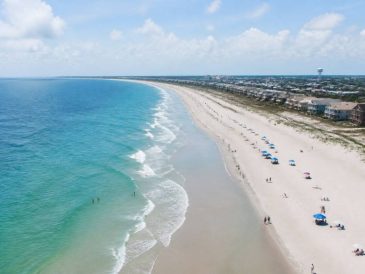
For families dreaming of a quieter escape, Ocracoke Island in the Outer Banks offers broad beaches, open skies and a wonderfully unhurried atmosphere. Reached by ferry or private boat, the island feels removed from everyday bustle, which can be exactly what a busy family needs.
The shoreline is beautiful for walking, shell collecting and watching the changing colours of the Atlantic. Swimming conditions vary, so choose a lifeguarded area when available and pay attention to flags and local guidance. The island’s small community, historic sites and wildlife habitats add interest beyond the beach.
Ocracoke is a lovely place to practise low-impact travel. Bring reusable supplies, support local businesses and avoid taking living shells or other natural treasures home. Photographs make excellent souvenirs, and they do not need a suitcase.
- Best for: peaceful holidays, beach walks and families who enjoy a slower pace.
- Family tip: plan ferry travel carefully and bring essential snacks, medicines and sun protection.
- Green choice: use refill stations where available and choose accommodation with thoughtful environmental policies.
Crystal Coast, North Carolina: gentle water and simple pleasures
The Crystal Coast, including beaches around Atlantic Beach, Emerald Isle and nearby communities, is a welcoming option for families seeking classic seaside memories. The coastline offers wide sandy stretches, warm-weather swimming and plenty of space for games that become increasingly competitive once someone introduces a prize.
Families can explore maritime history, visit aquariums and look for dolphins from the shore or on responsible wildlife excursions. The area is also well suited to rented beach houses, allowing families to prepare simple meals and settle into a home-like routine between swims.
Before booking, check whether the beach access has restrooms, showers, lifeguards and parking that meet your family’s needs. Small details can make a big difference when a toddler urgently needs a toilet and the nearest facility is “just over there”—a phrase that has caused many a parental sprint.
- Best for: extended family holidays, warm-water swimming and flexible accommodation.
- Family tip: choose a base close to the beach to reduce car journeys and make midday rests easier.
- Nature note: follow local guidance during sea turtle nesting season and keep beaches dark and quiet at night.
Making any American beach holiday kinder to the planet
A memorable coastal escape does not need to leave a heavy footprint. A few thoughtful choices can protect the places that give families so much joy.
- Pack reusable bottles, snack containers and washable cutlery instead of relying on single-use items.
- Choose mineral-based sun protection suitable for sensitive skin, and avoid products that may harm marine habitats.
- Stay on marked paths, especially around dunes, wetlands and nesting areas.
- Take shells, stones and sea creatures only in photographs unless local rules clearly allow otherwise.
- Use public transport, bicycles, shuttles or shared rides where practical.
- Buy a picnic from a local shop and support small coastal businesses.
- Check beach warnings, tide times and weather conditions before swimming.
- Leave the beach as you found it—or a little better, with a small litter pick if children are willing.
The most beautiful family beach days are rarely the ones with the fullest itinerary. They are the ones where someone discovers a tiny crab, a parent manages to sit down for five whole minutes, and everyone returns home tired in the happiest possible way. Whether your family chooses Hawaii’s reefs, Oregon’s tide pools, Florida’s gentle Gulf waters or a quiet Atlantic island, the coast offers room to reconnect, breathe deeply and make the kind of memories that cling to us long after the sand has finally left the car.