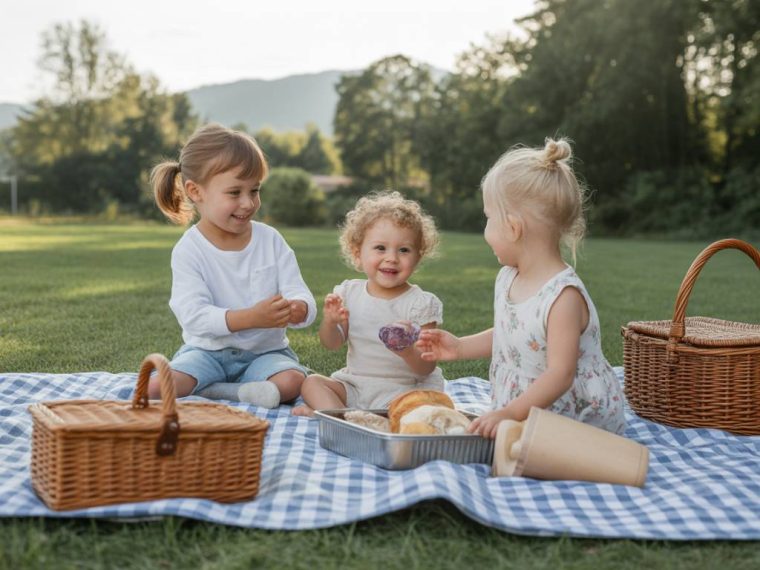
A family picnic should leave behind nothing but footprints, full bellies, and the kind of golden afternoon memories children carry well into adulthood. Yet the average outdoor meal generates a surprising amount of single-use plastic — cling film, juice cartons, disposable cutlery, snack wrappers. The good news? Learning how to plan a plastic-free picnic with your family is far simpler than it sounds, and the swaps are mostly things you already own. This guide walks you through every step, from packing the basket to playing in the grass.
Why a Plastic-Free Picnic Actually Matters
Single-use plastics make up around 50% of all plastic waste globally, and a significant portion is food-related packaging. Picnics, by their very nature, tempt us toward convenience — grab-and-go pouches, bottled drinks, cling-wrapped sandwiches. Over a summer of outings, that adds up fast. Choosing reusables even just a handful of times per year removes hundreds of items from the waste stream — and models something powerful for the small people watching your every move.
Beyond the environmental impact, plastic-free picnics tend to feel better. Real plates, cloth napkins, food packed in glass jars — there’s an unhurried, intentional quality to it that disposables simply can’t replicate.
How to Plan a Plastic-Free Picnic with Your Family: The Gear
Before you think about food, think about your kit. Most families already have everything they need tucked in cupboards — it’s just a matter of choosing it over the plastic alternative.
Reusable essentials to pack
- A woven basket or canvas tote: Eliminates plastic carrier bags entirely and looks beautiful in the process.
- Stainless steel or glass containers: Perfect for salads, dips, and fruit. They keep food fresh without sweating like plastic tubs.
- Beeswax wraps or reusable silicone bags: Ideal for sandwiches, cut vegetables, or cheese. One wrap can replace hundreds of sheets of cling film over its lifetime.
- Real cutlery and plates: Bring your everyday metal forks and spoons. For kids, silicone or bamboo plates are lightweight and unbreakable.
- Cloth napkins: Softer than paper, sturdier with sticky fingers, and they double as impromptu wrappers or shade cloths.
- Insulated water bottles and a thermos: Fill before you leave — no plastic bottles, no cartons, no cups.
- A thick blanket or quilt: A vintage picnic rug or even an old duvet cover is far more inviting than a plastic-backed mat.
One practical tip: keep a dedicated « picnic box » in your hallway or boot so the reusable kit is always ready to grab. Less planning stress, fewer last-minute plastic compromises.
Building a Plastic-Free Picnic Menu
This is where the fun begins. A plastic-free menu doesn’t mean a boring one — it actually pushes you toward fresher, more wholesome food, much of which children love.
Foods that travel well without plastic
- Whole fruit: Apples, bananas, clementines, and grapes come in their own natural packaging. No wrap required.
- Homemade bakes: Muffins, flapjacks, or cheese scones wrapped in beeswax wrap or a linen cloth travel beautifully and taste infinitely better than anything in a plastic packet.
- Veggie sticks with hummus: Chop carrots, cucumber, and peppers at home and store in a glass jar alongside a small pot of hummus. Colourful, crunchy, and zero waste.
- Bread from a local bakery: Usually sold in paper bags or unwrapped entirely — fill it with cheese, roasted peppers, or nut butter.
- Pasta or grain salads: Prepare the evening before and pack in a sealed jar or tin. Hearty enough for hungry kids after running around.
- Boiled eggs: Nature’s most portable snack. Bring a small twist of salt in paper if needed.
Drinks without the waste
- Fill a thermos flask with iced herbal tea, homemade lemonade, or chilled fruit-infused water (cucumber and mint is a family favourite).
- For small children, pack their usual cup or sippy bottle rather than a juice box — familiar, leak-proof, and plastic-free.
Getting the Kids Involved in Planning
Children who help plan the picnic are far more invested in both the meal and the values behind it. Even toddlers can play a role — and that participation plants seeds of environmental awareness without a single lecture.
- Let them choose two or three snacks from a short list of plastic-free options.
- Ask them to pack their own lunchbox — messy, yes, but empowering.
- Involve older children in wrapping food in beeswax wrap or choosing which reusable containers to bring.
- At the picnic spot, invite them to gather wildflowers or leaves as a natural table decoration.
When children feel ownership over the experience, the « why » behind plastic-free choices becomes self-evident to them. They’re not being told to care — they’re discovering that they already do.
Plastic-Free Activities to Keep Everyone Entertained
A great picnic lasts beyond the last bite. Keeping children engaged outdoors without reaching for plastic-packaged toys or single-use entertainment is easier than you’d think.
- Nature scavenger hunt: Write a short list on paper — something soft, something with five petals, something that makes a sound. Free, imaginative, and endlessly replayable.
- Sketchbooks and pressed flowers: Bring a small notebook and pencils. Children can draw what they see, press leaves between the pages, or write a « menu » for the day.
- Classic outdoor games: Skipping rope, frisbee, hide-and-seek, or a homemade kite all come with zero packaging.
- Story time: Pack one or two well-loved picture books. Reading under a tree hits differently — even for children who usually resist it.
Leaving No Trace: The Tidy-Up Ritual
Ending the picnic cleanly is just as important as starting it thoughtfully. Build a quick leave-no-trace ritual into your outing — children respond remarkably well when it’s framed as a shared responsibility rather than a chore.
- Bring two cloth bags: one for compostables (fruit peels, food scraps), one for anything that needs sorting at home.
- Do a final « nature’s helpers » sweep of the blanket area together — checking for grape stems, stray cutlery, and forgotten cloth napkins.
- If your picnic spot has compost or recycling bins, make sorting part of the fun.
Turn clean-up into a counting game (« How many things can we collect in 60 seconds? ») and watch the grumbling disappear entirely.
Quick-Win Tips for Your First Plastic-Free Picnic
- Prep food the night before to avoid morning panic and the temptation of grab-and-go plastic packaging.
- Shop at a farmers’ market or zero-waste deli where loose produce and paper-wrapped goods are the norm.
- Layer clothing for the kids rather than packing extra outfits in plastic bags — lightweight cotton layers handle spills and chill alike.
- Check your basket before leaving: if something is in a plastic wrapper, ask whether a homemade or loose version is possible.
- Don’t aim for perfection. One or two plastic-free swaps per outing is a genuine win — progress compounds over a whole summer.
Knowing how to plan a plastic-free picnic with your family isn’t about overhauling your lifestyle overnight. It’s about choosing the dented flask over the plastic bottle, the beeswax wrap over the cling film, the cloth napkin over the paper one — and doing it together, in the sunshine, with sticky fingers and grass-stained knees. Those small, consistent choices are the ones that shape the world your children will grow up in. And they happen to make for a rather lovely afternoon, too.