Every new parent quickly discovers that babies come with a staggering amount of stuff. Within weeks, nappies stack up in the hundreds, wipes multiply across every surface, and the bathroom shelf fills with brightly packaged potions. What many of us don’t expect is the quiet but powerful urge to do things differently — to care for our little ones without leaving quite so much behind for them to inherit. The good news? Sustainable parenting is more accessible, affordable, and practical than ever. These eco-friendly tips for managing nappies and baby products will help you build a greener routine, one small swap at a time.
Eco-friendly tips for managing nappies: cloth vs. disposable
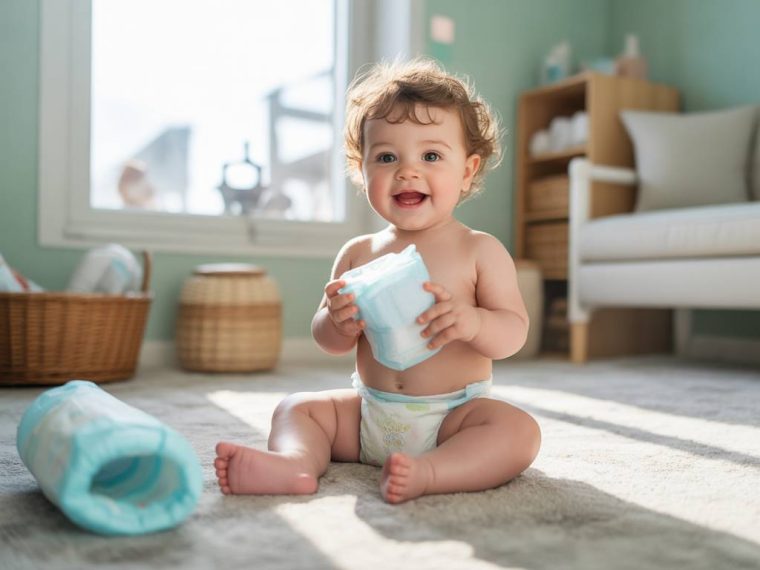
Nappies are the single biggest source of baby-related waste. In the UK alone, around 3 billion disposable nappies are thrown away each year, and most take up to 500 years to decompose in landfill. Choosing a more sustainable nappy option is one of the highest-impact decisions you can make as a parent.
Why cloth nappies are worth the switch
Modern reusable nappies have come a long way from the flat terry squares of decades past. Today’s versions are fitted, absorbent, and come in a huge variety of styles and prints. Here’s why so many families are making the switch:
- Dramatically less waste: A baby uses between 4,000 and 6,000 disposable nappies before potty training. A set of 20–25 cloth nappies can cover the entire journey.
- Real cost savings: Cloth nappies cost an average of £300–£500 upfront but save families up to £1,000 compared to disposables — and even more if used for a second child.
- Healthier for skin: Natural fabrics like cotton, bamboo, and hemp reduce exposure to synthetic chemicals and often mean fewer nappy rashes.
- Council support: Many UK local authorities run cloth nappy incentive schemes offering vouchers, starter kits, or cashback. Check your council’s website — you may be pleasantly surprised.
Eco disposables: a greener middle ground
Cloth nappies aren’t the right fit for every family, every day — and that’s completely fine. Eco-friendly disposables bridge the gap with plant-based materials, reduced plastic content, and biodegradable or compostable designs.
- Bambo Nature and Kit & Kin are two well-regarded UK brands offering nappies that are OEKO-TEX certified and FSC approved.
- Naty by Nature Babycare uses bio-based plastic films and is endorsed by the EU Ecolabel.
- Look for nappies that are free from chlorine bleaching, fragrance, and lotions — better for baby’s skin and the environment.
A popular hybrid approach: use cloth nappies at home during the day, and eco disposables for nights or outings. This keeps things manageable while still cutting waste significantly.
Sustainable baby wipes: small product, big impact
Conventional wet wipes are one of the most polluting single-use products in the baby aisle. Most contain plastic fibres (polyester or polypropylene) that do not break down — even those labelled « flushable. » In the UK, wipes account for over 90% of sewer blockages. Switching to greener alternatives is a simple change with outsized benefits.
Reusable wipes at home
- Cut up old muslin squares or buy pre-cut bamboo or cotton cloth wipes — soft, washable, and built to last hundreds of uses.
- Store damp wipes in a small repurposed container with a simple homemade solution: warm water, a drop of castile soap, and a few drops of chamomile oil.
- Keep a waterproof wet bag at your changing station for used wipes until laundry day.
Compostable wipes for on the go
- WaterWipes — made with 99.9% water and a drop of fruit extract, plastic-free and gentle enough for newborns.
- Jackson Reece — UK brand offering certified compostable wipes made from plant fibres.
- Always check for the seedling compostable logo, and dispose of them in a home or industrial compost bin, not the toilet.
Eco-friendly baby skincare: less is more
A typical baby’s bathtime routine involves far more products than a newborn actually needs. Simplifying your approach is not only better for the planet — it’s often better for your baby’s delicate skin, which absorbs far more than adult skin does.
- Castile soap: A single multi-use, plant-based soap works for hair, body, and even the changing mat. Dr. Bronner’s is a trusted choice.
- Coconut oil: A versatile natural balm for moisturising, treating cradle cap, and forming a gentle nappy rash barrier.
- Shea butter: Rich and fragrance-free, ideal for eczema-prone or sensitive skin.
- Skip the daily bath: Babies only need a full bath two to three times a week. A daily top-and-tail wash with a warm damp cloth is plenty — and saves water too.
When shopping for baby skincare, look for certified organic products with short ingredient lists. Brands like Green People and Little Butterfly London offer ranges specifically formulated for sensitive baby skin.
Eco-friendly baby products: bottles, bibs and feeding essentials
Whether you’re breastfeeding, bottle-feeding, or weaning, the feeding stage is full of opportunities to make smarter, greener product choices.
- Glass or stainless steel bottles: Brands like Pura and Lifefactory produce toxin-free, durable bottles that grow with your child — many convert into sippy cups or snack containers, reducing the need to buy new products at each stage.
- Reusable nursing pads: Bamboo or hemp nursing pads are washable, comfortable, and far more sustainable than disposable alternatives used for only a few hours.
- Organic bibs and muslin squares: Choose GOTS-certified organic cotton or bamboo versions — biodegradable, skin-safe, and often more durable than cheap synthetic alternatives.
- Silicone food pouches: Reusable food pouches (like those from Little Green Pouch) eliminate the need for single-use purée packs once weaning begins.
Sustainable toys and teethers: safe for babies, kind to the planet
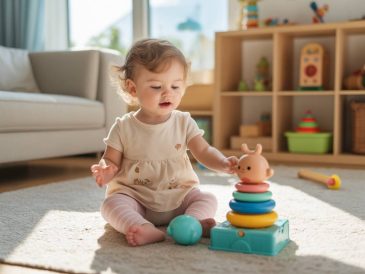
Babies mouth everything — which makes the materials in their toys a genuine health and environmental concern. Most cheap plastic toys are made from PVC or ABS plastics, which contain phthalates and other additives you really don’t want near a teething baby.
- Natural rubber teethers: Hevea and Natursutten make one-piece, dishwasher-safe teethers from 100% pure natural rubber — no PVC, BPA, or phthalates.
- Sustainably sourced wooden toys: Look for FSC-certified wood and water-based, non-toxic paint. Brands like Plan Toys and Grimm’s are long-lasting and often become beloved heirlooms.
- Organic stuffed toys: Choose soft toys filled with organic cotton or natural wool, certified by GOTS or similar standards.
- Buy secondhand: Wooden and silicone toys clean up beautifully. Platforms like Vinted, Facebook Marketplace, and specialist baby resale groups are goldmines for quality eco toys at a fraction of the price.
Zero-waste tips for nappies and baby products on the go
Getting out the door with a baby is already an achievement. With a few smart swaps, your nappy bag can be both practical and planet-friendly.
- Waterproof wet bags: Replace single-use nappy bags entirely. A zippered wet bag holds used cloth nappies or wipes without leaks or smells — and goes straight in the wash.
- Reusable snack containers: Silicone pouches and stainless steel snack tins replace cling film and disposable plastic bags once your baby starts solids.
- Refillable water bottles: Keep a good insulated bottle in the nappy bag for yourself — staying hydrated is non-negotiable, and it cuts out impulse plastic purchases on the move.
- Compact change mat: Opt for a washable organic cotton or cork change mat rather than disposable liners.
Building an eco-friendly baby routine that actually works
The most sustainable routine is the one you can actually stick to. There’s no need to overhaul everything overnight — start with one area, get comfortable, then build from there. Swap to reusable wipes this week. Try a cloth nappy on weekends. Replace the next empty tube of baby lotion with a natural alternative.
Small, consistent changes compound into something meaningful. Every reusable nappy washed, every plastic wipe avoided, every wooden toy chosen over a disposable plastic one — it all adds up. And the child you’re raising in this gentler, more intentional way? They’re watching. They’re learning. And one day, they’ll pass it on too.