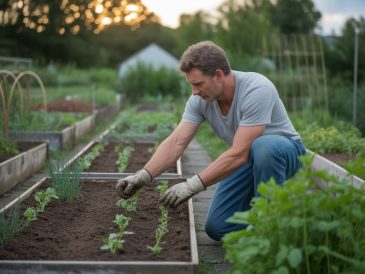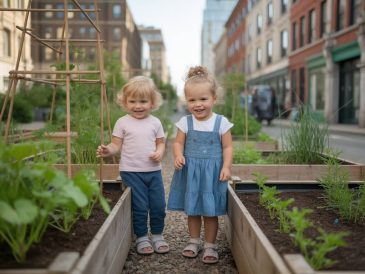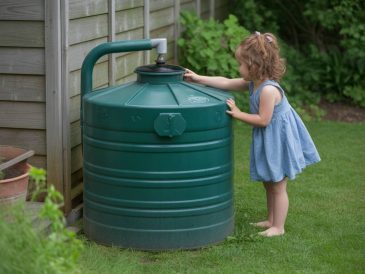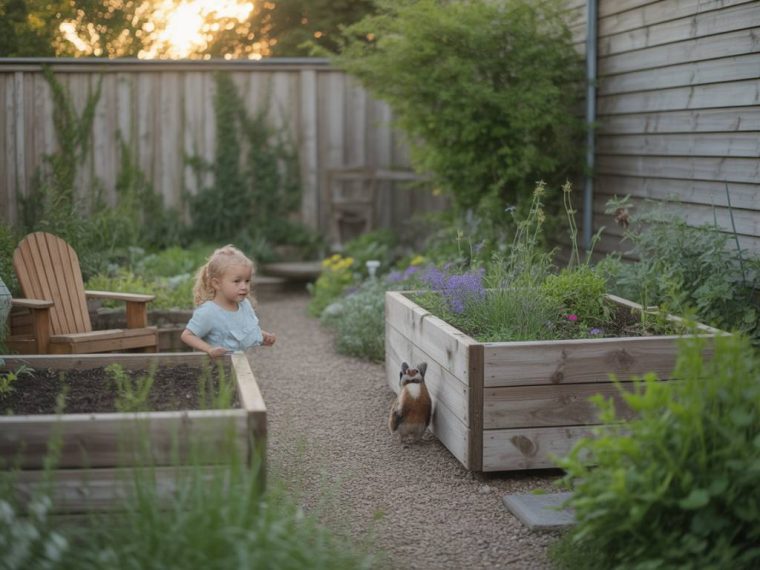
There’s something quietly magical about watching a bumblebee dance from one bloom to another, or spotting a robin fluffing its feathers in the early morning light. In our often-hectic family lives, these simple, wild moments can feel like gentle invitations to slow down and reconnect—with nature, with our children, and with ourselves.
Transforming your own backyard into a welcoming haven for wildlife is not only a gift to Mother Earth—it’s also a chance to offer your little ones a living classroom where curiosity is the curriculum and wonder is always in session. And the best news? You don’t need acres of land or a green thumb the size of a shovel. Just a gentle commitment, a touch of intention, and a willingness to let nature do what she does best.
Why Create a Wildlife-Friendly Garden?
As parents, we’re often pulled in a thousand directions. Making conscious choices for the planet while juggling snack time and sibling squabbles might seem like one task too many. But creating a wildlife-friendly space is one of those rare efforts where small actions ripple out in profound ways.
With just a few thoughtful changes, your own garden can become a vital pit stop for pollinators, a safe retreat for hedgehogs, a playground for birds, and—most importantly—a sanctuary for your children to connect with the wonder of the natural world. Studies show that time spent in green spaces can reduce stress in kids, promote emotional regulation, and even improve attention spans. So really, it’s not just about butterflies and bees—it’s about planting seeds for resilience and joy in your children, too.
Start with What You Have
Before you set off with grand plans and Pinterest boards full of whimsical wildlife oases, take a moment to observe what’s already living in your garden. Do you hear birdsong in the morning? Are there ants parading under the paving stones? Maybe that patch of nettles (yes, even nettles!) is already home to caterpillars.
Wildlife gardening isn’t about perfection—it’s about appreciation and intention. Start small and build in layers. Like parenting, it’s a journey, not a checklist.
Plant for Pollinators
If you could only do one thing to support local wildlife, planting for pollinators might be it. Bees, butterflies, hoverflies, and even moths rely on nectar-rich flowers for survival, and a garden that blooms with their favourite snacks is bound to come alive with colours and movement.
Here are a few family-friendly and low-maintenance plants to consider:
- Lavender: Loved by bees and butterflies alike, and its scent is soothing for busy grown-up minds, too.
- Foxgloves: Tall, stately, and irresistible to bumblebees. Be aware they are toxic if ingested, so perhaps plant them towards the back where little hands can admire from afar.
- Echinacea (Coneflower): Long-lasting blooms and a real feast for pollinators.
- Marjoram and Thyme: Culinary herbs that double as nectar havens—plus, your toddler might find joy in plucking a sprig while pretending to be a garden witch. (True story.)
Bonus tip: Aim to have something in bloom from early spring right through to late autumn. Diversity is nature’s love language.
Let the Grass Grow
While the tidy part of us may resist the idea of « messy » gardens, wildlife sees such spaces quite differently. A patch of uncut grass offers shelter to insects, frogs, and even small mammals like hedgehogs. And when the dandelions pop up, bees get their early spring snacks, and children get the joy of making whispered wishes.
Set aside a corner of your garden where the lawnmower takes a little holiday. Better yet, create a mini wildflower meadow by sowing native seeds—these often require fewer resources to thrive and attract a broader array of insects than their exotic counterparts.
Create Hiding Spots and Homes
From hollow logs to rock piles to DIY bug hotels, shelter is one of the greatest gifts you can offer woodland friends. Children love participating in this part. There’s something so satisfying (and slightly mischievous) about stacking sticks and stones to « build a tiny forest hotel »—it taps right into their sense of whimsy and care.
Here are a few easy additions that welcome all sorts of critters:
- Log or twig piles: A natural refuge for beetles, frogs, and hedgehogs.
- Bug hotels: You can buy them, but making your own from an empty tin filled with hollow stems or bamboo is a fun afternoon craft.
- Hedgehog houses: A simple wooden box, tucked quietly beneath a hedge or large shrub, might one day become a winter home.
- Birdhouses and feeders: Hang different shapes and sizes and observe with your children who comes knocking. Blue tits with their bright feathers have become frequent visitors to ours. We named one Maurice. He’s very bossy.
Water, the Gift of Life
You don’t need a full-blown pond (although if you have space for one, native frogs and dragonflies will thank you). Even a shallow dish of water can make a tremendous difference, especially during dry spells. Make sure it’s placed on the ground with a few pebbles or a sloped side so smaller creatures can climb out safely.
Consider adding:
- A miniature pond: A washing-up bowl sunk into the ground with pebbles and aquatic plants becomes a frog spa in no time.
- A bee bath: A little saucer with water and stones for perching can be a lifesaver for tired pollinators.
- Muddy puddles: Yes, really. Butterflies and some birds use them to drink and gather minerals. Just make peace with muddy knees and carry on.
Say No to Chemicals
One of the simplest and most powerful shifts you can make is to ditch pesticides and synthetic fertilisers. Yes, even if the aphids are staging a tiny revolution on your roses. Nature has its own systems of balance—but they only work if we let them.
Encourage natural predators like ladybirds by tolerating a few imperfections. Try companion planting (marigolds near tomatoes can deter pests), and embrace patience. Your little ones will learn so much watching how ecosystems self-correct over time—it’s science and storytelling wrapped into one.
Composting: Nature’s Recycling Bin
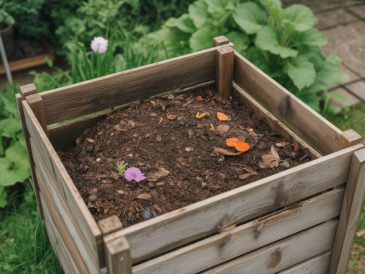
Okay, composting isn’t the most glamorous garden activity. It doesn’t involve flowers or fairy lights. But turning your fruit and veg scraps into rich, dark soil is one of the most beautiful full-circle acts of home and Earth. Plus, it scratches that “messy play” itch for little ones who love to poke around with sticks and diggers (with supervision, of course!).
Start with a dedicated bin or heap. Add your greens (like veggie peels and coffee grounds) and your browns (leaves, cardboard). Watch, wait, and marvel. Your plants will thank you—and so will the earthworms, who are quirky little heroes in the garden narrative.
Invite Your Children Into the Process
Perhaps the most precious part of creating a wildlife garden isn’t the plants or the pollen or the paw prints left behind—it’s the shared wonder. The belly-giggles when they spot a toad scrambling behind the watering can. The serious discussion of whether the finch should be called Lucky or Sparkleberry. The moments where screens are traded for snails.
Children who garden grow up rooted—connected to the cycles of life and more attuned to the ecosystems that hum beyond human sight. It’s a slow magic, the kind we often overlook in our rush to keep up. But it’s real.
So start small. Sow a few seeds. Leave a corner wild. Sit with your child and simply listen—to the rustle, the chirp, the buzz. Because in that quiet space, something beautiful takes root—not just in your garden, but in their hearts.
And if the dandelions take over and the compost smells a bit… earthy? Take a big breath, smile, and know: it’s all part of the story. A story your family gets to write, one blossom and bumblebee at a time.