
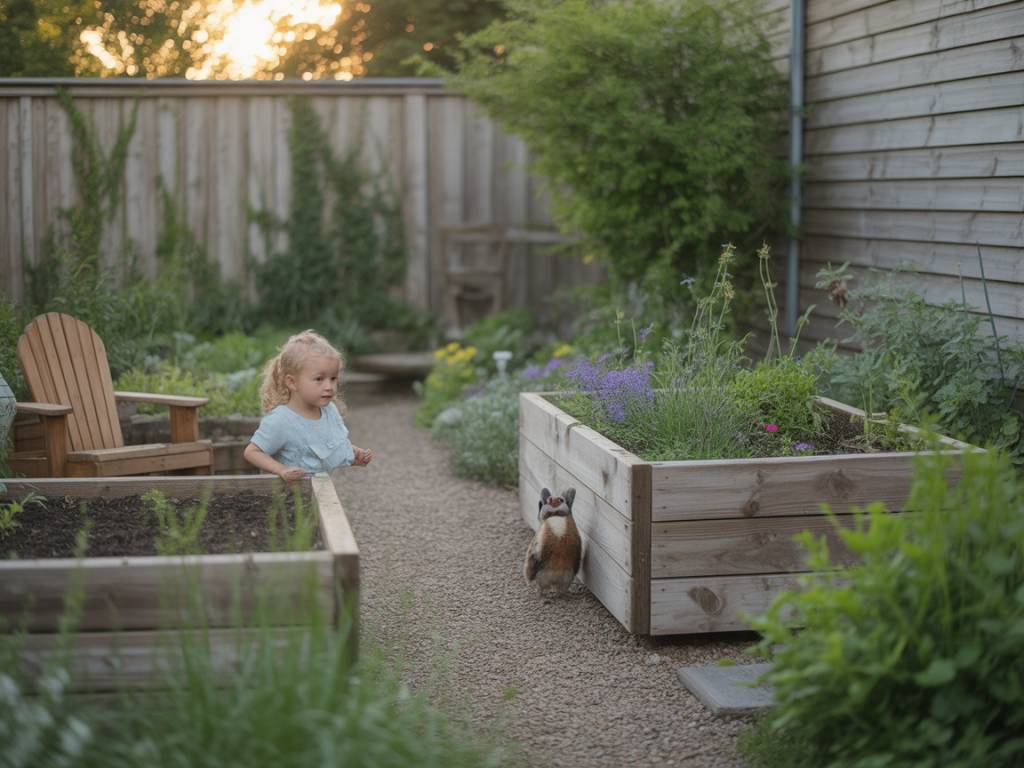
A bumblebee drifting between lavender spikes. A hedgehog shuffling through the damp grass at dusk. A child crouched low, whispering to a beetle. These moments don’t require a countryside estate or a horticultural degree — they can happen right outside your back door. Creating a wildlife-friendly garden in your backyard is one of the most rewarding things a family can do together, and the ripple effects go far beyond your fence line.
According to the Royal Horticultural Society, there are over 24 million gardens in the UK, covering more land than all the country’s nature reserves combined. That’s an extraordinary collective opportunity. When families choose to garden with wildlife in mind, the impact is real, measurable, and deeply meaningful.
Why Creating a Wildlife-Friendly Garden in Your Backyard Matters
Biodiversity in the UK has declined sharply over the past century. More than 40% of species have seen population decreases since 1970, largely due to habitat loss. Private gardens have become critical green corridors for pollinators, birds, amphibians, and small mammals that struggle to survive in increasingly urbanised landscapes.
But the benefits run in both directions. Research published in the journal Environment International found that children who regularly engage with nature show lower levels of anxiety, improved concentration, and stronger emotional resilience. A wildlife garden doesn’t just help the ecosystem — it nurtures your family, too.
Start by Observing What’s Already There
Before buying a single seed packet, spend a week simply watching your garden. You may already have more wildlife than you realise. Look for:
- Ant trails beneath paving slabs or along fence lines
- Birdsong patterns — which birds visit and when?
- Patches of moss, nettles, or « weeds » that may already shelter caterpillars or beetles
- Damp corners where frogs or slow worms might be hiding
This observation phase is also a wonderful activity to do with children. Give them a nature notebook and ask them to sketch or describe what they find. It builds scientific thinking and emotional connection at the same time.
Plant for Pollinators Year-Round
Planting nectar-rich flowers is one of the single most impactful steps in any wildlife-friendly garden. Bees, butterflies, hoverflies, and moths all depend on a steady supply of pollen and nectar — and a garden that blooms across every season gives them the best possible chance.
Best Plants for Pollinators by Season
- Spring: Crocus, lungwort (Pulmonaria), and single-flowered primroses for early bees emerging from hibernation
- Summer: Lavender, echinacea, borage, and marjoram — all low-maintenance and family-friendly
- Autumn: Ivy (one of the most valuable late-season nectar sources), sedum, and verbena bonariensis
- Winter: Mahonia and winter clematis support queen bumblebees searching for food on milder days
A practical tip: avoid double-flowered varieties. Their blooms may look fuller, but the extra petals block access to pollen. Native and heritage varieties are almost always better for wildlife.
Kitchen Herbs as Wildlife Havens
Don’t overlook your herb patch. Thyme, rosemary, chives, and marjoram in flower are magnets for bees. Letting a few herbs bolt (flower and go to seed) at the end of the season provides both nectar and seeds for birds. It’s a win for your garden, your cooking, and your local ecosystem.
Embrace Mess in the Right Places
One of the most powerful — and counterintuitive — things you can do is to stop tidying certain areas of your garden. « Mess » to human eyes is often a thriving habitat for wildlife.
- Uncut grass corners: Even a small patch left unmown offers shelter for insects, frogs, and slow worms. Let dandelions bloom — they’re one of the first food sources for bees each spring.
- Leaf litter: Resist the urge to rake every last leaf. Piles beneath hedges or in quiet corners are overwintering sites for hedgehogs, toads, and hundreds of invertebrate species.
- Seed heads: Leave spent flower heads on plants through autumn and winter. Goldfinches and sparrows rely on them as a food source when other supplies run low.
A simple rule: designate at least one « wild corner » in your garden and commit to leaving it largely undisturbed. Even a square metre makes a difference.
Build Homes for Garden Wildlife
Shelter is as important as food. Many garden creatures are in decline partly because nesting and hibernation sites have disappeared from modern, overly managed gardens. The good news? Creating habitat is a perfect family project.
Easy Habitat Additions
- Bug hotels: Stack hollow bamboo canes, pine cones, corrugated cardboard, and dry leaves inside a wooden frame. Solitary bees, lacewings, and ladybirds will all move in. Children love « building » these and checking on their guests.
- Log and twig piles: A heap of rotting wood in a shady corner is one of the richest habitats you can create — beetles, fungi, frogs, and even stag beetles depend on decaying wood.
- Hedgehog houses: A simple wooden box tucked under a hedge, packed with dry leaves, can become a vital hibernation spot from October onwards. Hedgehog numbers in the UK have fallen by over 30% since 2000 — your garden could genuinely help reverse this trend.
- Bird boxes: Different species need different entrance hole sizes. A 25mm hole suits blue tits; a 45mm hole welcomes house sparrows. Position them facing between north and east to avoid direct sun and prevailing rain.
Add Water to Your Wildlife-Friendly Garden
Water transforms a garden. Even the smallest water feature — a shallow dish, a half-barrel, or a sunken washing-up bowl — can attract frogs, newts, dragonflies, and dozens of bird species within weeks of being installed.
- Miniature pond: Sink a container into the ground, add a few native aquatic plants like water forget-me-not or water mint, and include a sloping edge or pebble ramp so small creatures can escape safely.
- Bird bath: Place it at least one metre off the ground to protect birds from cats, and keep the water fresh. In winter, check it hasn’t frozen over.
- Bee bath: A saucer filled with water and pebbles just breaking the surface gives exhausted bees a safe place to drink without drowning.
If you have young children, even a very shallow water feature should be supervised. A 10cm-deep container pond raised off the ground is a brilliant, safe compromise.
Ditch the Chemicals
Pesticides, herbicides, and synthetic fertilisers are among the leading causes of insect decline in domestic gardens. Neonicotinoid-based insecticides in particular have been linked to bee population collapse and are now banned for outdoor use in the UK — but many garden products still contain harmful alternatives.
Switching to organic gardening methods isn’t about perfection. It’s about making fewer harmful choices over time:
- Use companion planting to deter pests naturally — marigolds beside tomatoes, nasturtiums as aphid decoys
- Encourage ladybirds, lacewings, and ground beetles, which are voracious natural pest controllers
- Feed your soil with homemade compost rather than synthetic feed — healthier soil grows stronger, more resilient plants
Start Composting — Your Garden’s Best Ally
A compost heap is the engine of a wildlife-friendly garden. It reduces household food waste, creates rich soil amendment for free, and provides habitat for slow worms, beetles, and earthworms — all vital members of a healthy garden ecosystem.
Start with a simple layering system: alternate « greens » (vegetable peelings, grass clippings, coffee grounds) with « browns » (cardboard, dry leaves, straw). Turn it occasionally, keep it moist, and within six to twelve months you’ll have dark, crumbly compost that your plants — and the wildlife that depends on them — will absolutely thrive on.
Bring Your Children Into Every Step
The most enduring reason to build a wildlife-friendly garden is the effect it has on the young minds growing up alongside it. Children who spend time in nature develop deeper empathy, stronger observational skills, and a sense of belonging to something larger than themselves.
Give them ownership of a small patch. Let them name the visiting birds (Maurice the bossy blue tit is a perfectly valid choice). Keep a family nature journal recording seasonal changes. Celebrate the first frog, the first butterfly, the first spider web sparkling with morning dew.
You’re not just gardening. You’re building a place where wonder is always in season — and planting something in your children that no screen can replicate.