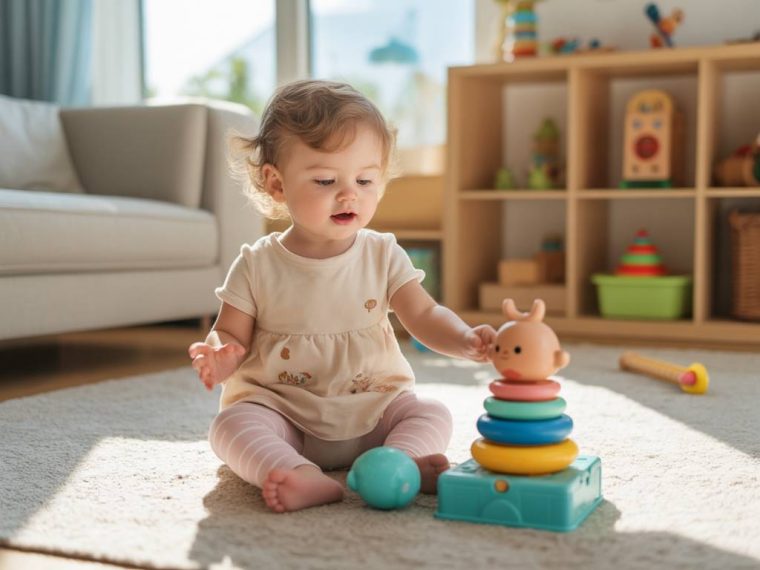
Why Choosing Non-Toxic Toys Matters
Have you ever watched your little one gnawing happily on a toy giraffe, oblivious to the world—and wondered what exactly they’re chewing on? As mamas, we’re wired to protect, to nurture, to make decisions that cradle our children’s safety in the most tender way. And yet, in the cascade of to-do lists and toy-filled playrooms, some details slip through—like the materials behind those colourful blocks or squeaky ducks. Are they safe? Truly safe?
Toys are more than distractions; they’re companions for discovery, comforters during teething, and tools for growing joyfully. But many mainstream toys—particularly plastic ones—contain hidden ingredients that you wouldn’t invite to your child’s tea party. Think lead-based paints, PVC, phthalates, BPA, and synthetic dyes.
Choosing non-toxic toys is an act of gentle rebellion against mass production and disposable parenting. It says: “I see you, baby, and I choose better for you.” It’s not about perfection—it’s about curiosity, learning, and nourishing our family environment one wooden train at a time.
What ‘Non-Toxic’ Really Means
Ah, the trouble with labels. “Non-toxic” sounds so clean, so trustworthy—but what does it actually mean? Unfortunately, it’s not a regulated term across the board, so a company can slap it on their packaging without meeting specific safety standards.
As a general rule, a toy that’s truly non-toxic will avoid the following common offenders:
- Lead: Found in some imported painted toys and can cause developmental delays and neurological damage.
- Phthalates: Used to soften plastics (especially in soft vinyl toys) and linked to hormonal disruptions.
- BPA: Common in hard plastics, particularly older toys, and known to mimic estrogen.
- Formaldehyde: Sometimes present in glues or composite woods, and a known carcinogen.
- Flame retardants: Used in stuffed toys and foam materials, potentially affecting thyroid function.
If you’re wondering whether reading materials lists should require a chemistry degree—you’re not alone. My trick? Think natural. Real wood, organic cotton, water-based dyes, and transparent brands are your best allies. Usually, if a brand is proud of being non-toxic, they won’t keep it a secret.
Materials to Trust
Sometimes, the simplest materials are the most delightful. Think of toys that feel warm in little hands, that smell like the forest, or that wear gracefully with time rather than breaking into shards of unpronounceable acronyms.
- Solid wood (not particle board!): Especially unfinished or finished with non-toxic, plant-based oils.
- Organic cotton and wool: Breathable, washable, and free from synthetic pesticides and dyes.
- Natural rubber latex: Biodegradable and safe for suction-happy babies—just watch out for latex allergies.
- Stainless steel and food-grade silicone: Durable and safe for pretend kitchen sets or bath time fun.
One brand we’ve grown to love in our home is Grimm’s Spiel & Holz. Their rainbow stackers aged beautifully in our toy corner—my son used them as bridges, hats, fences and, once, as a rather imaginative pizza. Multipurpose and made with natural dyes? Yes please.
Red Flags To Watch For
Sometimes all it takes is a quick sniff or glance to know a toy’s not quite right. But when in doubt, here are some cautionary signs:
- Strong chemical smells: If it smells like a plastic factory, it probably wasn’t dreamed up in a sustainable workshop.
- Super cheap and mass-produced: Yes, a £1 toy might seem like a harmless treat, until you consider the shortcuts taken in quality control.
- Lack of transparency: If a company won’t tell you what a toy is made from, they likely don’t want you to know.
- Bright, synthetic dyes: Especially in fabric toys—these can leach during sucking (which, as we all know, is our baby’s full-time job).
When our youngest, Léo, was teething, he had a habit of tasting his way through the toy basket. I remember watching him accidentally bite off a small chunk of a plastic animal—I hunted down the brand only to find out it had been recalled for lead paint violations. That moment changed everything for us. Since then, it’s been natural fibres or nothing at all.
Eco-Labels That Help You Choose
Fortunately, there are some wonderful certifications that act as guiding lights in this toyland jungle. Look out for these when shopping:
- Oeko-Tex Standard 100: Verifies textiles have been tested for over 100 harmful substances.
- GOTS (Global Organic Textile Standard): Ensures high-level environmental and social criteria in textile production.
- FSC Certified Wood: Guarantees wood was sourced responsibly from sustainably managed forests.
- ASTM and EN71: Toy safety standards in the US and Europe, respectively—they don’t guarantee “non-toxic” but help eliminate dangerous designs or materials.
These might sound technical, but once you start seeing them, you’ll realise they’re like a quiet nod between parents. A whisper that says: you’re doing okay.
Non-Toxic Doesn’t Mean Non-Fun
There’s a myth that non-toxic toys are boring or too plain. In truth, these toys often invite more imagination. A simple set of wooden blocks isn’t just a city—it’s a jungle, a fairy castle, a rocket launching pad. Open-ended play is often enhanced, not reduced, when you ditch the buttons, batteries, and blinking lights.
My daughter, Elise, recently spent an entire afternoon playing “night camp” with her organic cotton dolls, a cardboard box, and a flashlight. Not a plastic gadget in sight—but hours of joy and storytelling.
When children aren’t distracted by noises and pre-programmed features, they start to invent, to connect, to build whole worlds with their own two hands. And how beautiful it is to watch those hands grow, safely and joyfully.
Making It Affordable and Accessible
Yes, quality often comes with a price tag. But choosing non-toxic doesn’t have to mean emptying your wallet. Here are some gentle tips:
- Embrace minimalism: Rotate a few quality toys rather than overflowing the toy box. Less clutter, more creativity.
- Buy second-hand: Wooden and fabric toys clean up beautifully. Look for gently loved treasures at charity shops or online marketplaces.
- Swap with friends: Organise toy swaps in your community—one mum’s outgrown toy is another tot’s new favorite.
- DIY playthings: Nature provides the best props—acorn tea sets? Cardboard castles? Don’t get me started.
We also set up a small “wishlist” with grandparents and friends for birthdays and holidays, gently guiding toward ethical, safe options. Most are delighted to gift something meaningful rather than plastic clutter.
Caring For and Maintaining Non-Toxic Toys
To extend the life of your child’s favourite companions, a little maintenance goes a long way:
- Wooden toys: Wipe with a damp cloth, occasionally oil with linseed or beeswax.
- Fabric toys: Opt for hand-washing or gentle cycles with non-toxic detergent.
- Avoid harsh disinfectants: Mild soap and sun-drying are often sufficient and safer for little mouths.
The beauty of non-toxic materials is that they age gracefully. A scuffed wooden bus tells stories of play. A slightly faded cotton bear is rich with memories. And isn’t that what childhood is all about?
A Gentle Reminder to All Parents
Mama, if you’re feeling overwhelmed by yet another choice to make—go easy on yourself. Transitioning to non-toxic toys is not about judgement; it’s about moving step by step toward a home that aligns with your values, your baby’s needs, and your heart’s intention.
Start small. Swap one plastic rattle for something wooden. Choose a cloth doll over polyester. Let curiosity lead. You don’t have to overhaul your whole playroom overnight. Each thoughtful choice you make is more than just a purchase—it’s a quiet love letter to the wild, wonderful spirit growing before your eyes.
After all, the most non-toxic thing you can give your child… is you. Present, patient, and wrapped in the gentle truth that love, like play, should always be safe.