
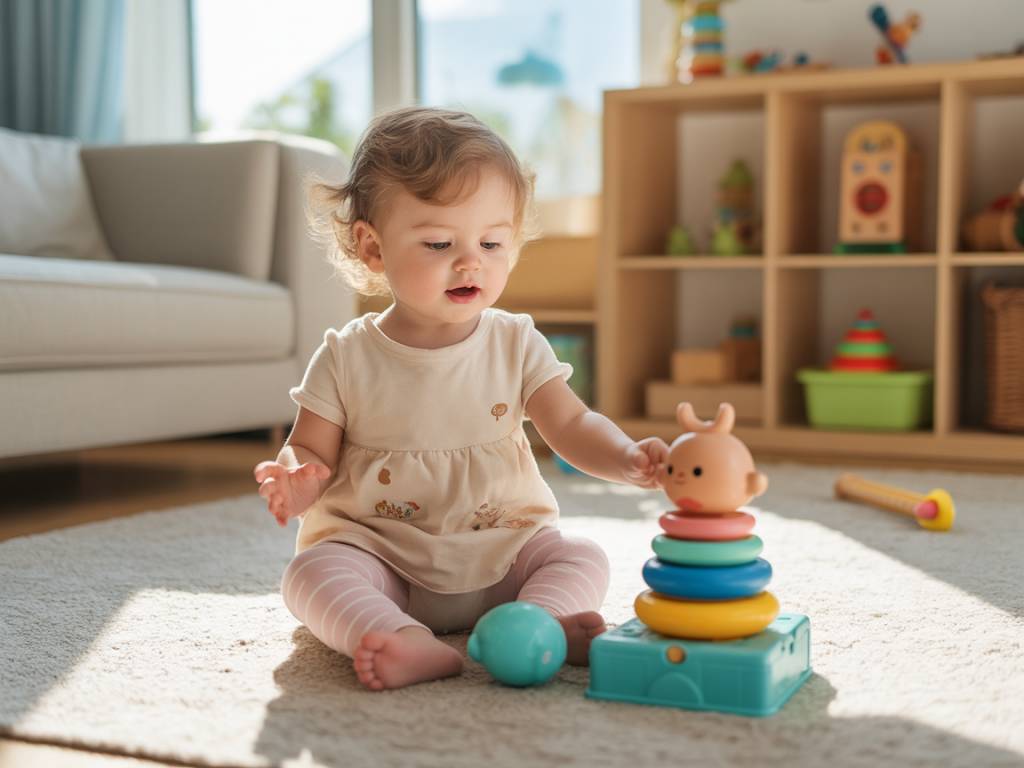
Picture this: your toddler is gleefully gnawing on a brightly coloured plastic giraffe, completely absorbed in that particular bliss only babies know. It’s adorable — until you start wondering what, exactly, is in that toy. Lead? Phthalates? Synthetic dyes? The truth is, most parents don’t know, and most mainstream toy manufacturers aren’t rushing to tell them. Choosing non-toxic toys for your children is one of the most impactful decisions you can make for their long-term health — and it doesn’t have to be complicated, expensive, or joyless.
Why Choosing Non-Toxic Toys for Your Children Actually Matters
Children’s bodies are not small adult bodies. Their developing organs, immune systems, and neurological pathways are far more vulnerable to chemical exposure than ours. According to the World Health Organization, children absorb environmental toxins at a significantly higher rate than adults — and considering that babies spend a large portion of their day mouthing, sucking, and chewing their toys, the materials those toys are made from matter enormously.
Many conventional toys — particularly mass-produced plastic ones — can contain a cocktail of harmful substances:
- Lead: Found in some imported painted toys; linked to developmental delays, learning difficulties, and neurological damage.
- Phthalates: Used to soften PVC plastic in squeaky or flexible toys; associated with hormonal disruption and reproductive issues.
- BPA (Bisphenol A): Common in hard plastics; known to mimic oestrogen in the body and disrupt the endocrine system.
- Formaldehyde: Sometimes present in composite wood or adhesives; classified as a known human carcinogen.
- Flame retardants: Used in stuffed toys and foam materials; linked to thyroid dysfunction and developmental concerns.
- Synthetic dyes: Particularly problematic in fabric toys, as they can leach during sucking — which, let’s be honest, is a baby’s primary mode of exploration.
One recalled toy, one batch of poorly regulated paint — and the consequences can be lasting. This isn’t about fear-mongering; it’s about making informed choices in a market that doesn’t always prioritise your child’s safety over profit margins.
What « Non-Toxic » Really Means on a Toy Label
Here’s the frustrating reality: « non-toxic » is not a regulated term in most countries. Any brand can print it on their packaging without meeting a specific safety standard. So how do you cut through the noise?
A genuinely non-toxic toy will typically:
- Be made from natural or minimally processed materials (solid wood, organic cotton, natural rubber).
- Use water-based or plant-derived dyes and finishes.
- Come from a brand that is transparent about their materials and manufacturing process.
- Carry credible third-party certifications (more on those below).
A useful rule of thumb: if a brand is proud of being non-toxic, they won’t hide it. Transparent companies publish material lists, source their raw ingredients responsibly, and welcome questions. If a manufacturer can’t — or won’t — tell you what their toy is made from, that silence speaks volumes.
Materials You Can Trust (and Those to Avoid)
Safe materials to look for
- Solid wood: Especially beech, maple, or linden, finished with plant-based oils or beeswax rather than synthetic varnish. Avoid particle board and MDF, which often contain formaldehyde-based adhesives.
- Organic cotton and wool: Free from synthetic pesticides, herbicides, and chemical dyes. Breathable, washable, and durable — ideal for soft toys and dolls.
- Natural rubber latex: Biodegradable and perfect for teethers and bath toys. Note: check for latex allergies before purchasing.
- Food-grade silicone: Stable, durable, and free from BPA and phthalates — great for teethers and bath play accessories.
- Stainless steel: An excellent choice for pretend kitchen sets and play utensils.
Materials to steer clear of
- Soft PVC (polyvinyl chloride): Almost always contains phthalates and should be avoided in anything a child might mouth.
- Polycarbonate plastics: Older versions frequently contain BPA.
- Painted toys with unknown origins: Especially if imported without clear safety certification.
- Foam padding without certification: Likely treated with flame retardants.
Eco-Labels and Certifications That Guide Your Choices
Navigating the toy aisle is much easier when you know which certifications to look for. These aren’t just marketing badges — they represent genuine third-party testing and transparency:
- Oeko-Tex Standard 100: Certifies that textiles have been tested for over 100 harmful substances, including pesticides, heavy metals, and formaldehyde. Excellent for fabric toys and soft dolls.
- GOTS (Global Organic Textile Standard): The gold standard for organic textiles — covers both environmental and social criteria throughout the supply chain.
- FSC Certified Wood: Ensures timber is sourced from responsibly managed forests. Look for this on wooden toys and puzzles.
- EN71 (Europe) / ASTM F963 (USA): These are minimum toy safety standards covering mechanical hazards and chemical limits. They don’t guarantee fully non-toxic materials, but they do filter out the most dangerous products.
- GOLS (Global Organic Latex Standard): Relevant if you’re buying natural rubber toys — ensures the latex is certified organic from source.
Once you start spotting these labels, they become second nature — a quiet nod of reassurance in a crowded market.
Red Flags When Shopping for Toys
You don’t always need a chemistry degree to spot a questionable toy. Trust your instincts — and these warning signs:
- A strong plastic or chemical smell: That new-toy smell from certain plastics? It’s off-gassing — and not something you want near a teething baby.
- Extremely low prices with no brand transparency: Bargain toys from unknown suppliers often bypass safety testing entirely.
- No materials information anywhere: Not on the box, not on the website. A deliberate omission.
- Overly bright or bleeding synthetic dyes in fabric toys: These can leach into saliva during chewing — a significant concern for babies and toddlers.
- No country of manufacture or safety mark: In the UK and EU, toys must carry a CE mark and manufacturer details. Missing these is a serious red flag.
Non-Toxic Toys Spark More Imagination, Not Less
There’s a persistent myth that natural, non-toxic toys are somehow boring — too plain, too simple, too stripped back. The opposite tends to be true. Without buttons, batteries, and pre-programmed responses, children are invited to create the play rather than consume it.
A set of wooden blocks isn’t just a tower — it’s a city, a jungle, a rocket ship, a birthday cake. Open-ended toys built from natural materials grow with your child, adapting to their imagination rather than locking them into a single mode of play.
Brands like Grimm’s Spiel & Holz, Bajo, Moulin Roty, and Plan Toys have built their entire ranges on this philosophy — and the play quality speaks for itself. Rainbow stackers used as hats, fences, bridges, and imaginary pizzas. Wooden animals that double as storytelling props for years. These are toys that earn their place in your home.
Making Non-Toxic Toy Shopping Affordable
Quality natural toys do often carry a higher upfront price — but there are smart ways to make it work for any budget:
- Embrace minimalism: Fewer, better toys beat an overflowing toy box every time. Rotate a small selection to keep things fresh without buying more.
- Shop second-hand: Wooden and fabric toys clean up beautifully. Charity shops, Facebook Marketplace, and specialist preloved toy sites are goldmines.
- Organise toy swaps: Connect with other parents locally or online — one child’s outgrown puzzle is another’s new favourite.
- Curate wishlists for gifts: Share a shortlist of safe, ethical options with grandparents and friends before birthdays and holidays. Most are genuinely relieved to have guidance.
- Invest in open-ended basics: A quality set of wooden blocks or a simple fabric doll will outlast and outplay a dozen cheap plastic toys.
Caring for Non-Toxic Toys to Make Them Last
Part of the value of natural toys is their longevity — but a little care goes a long way:
- Wooden toys: Wipe clean with a lightly damp cloth. Occasionally treat with food-grade linseed oil or beeswax to maintain the finish and prevent cracking.
- Fabric and soft toys: Hand wash or use a gentle machine cycle with a non-toxic, fragrance-free detergent. Air-dry in the sun when possible — natural UV is a gentle disinfectant.
- Rubber and silicone toys: Wash with warm water and mild soap. Avoid harsh chemical disinfectants, which can degrade the material over time.
- General rule: Keep wooden toys away from prolonged moisture, and store fabric toys in breathable cotton bags rather than sealed plastic bins.
Well-maintained natural toys don’t just last through one childhood — they get passed on. That wooden train set your toddler loves today could be in your grandchild’s hands one day. There’s something quietly beautiful about that.
Choosing non-toxic toys for your children is ultimately an act of intention — a decision to be curious, to ask questions, and to build a home environment where your children can explore, grow, and play safely. It doesn’t require perfection. It just requires a little more awareness, one toy at a time.