
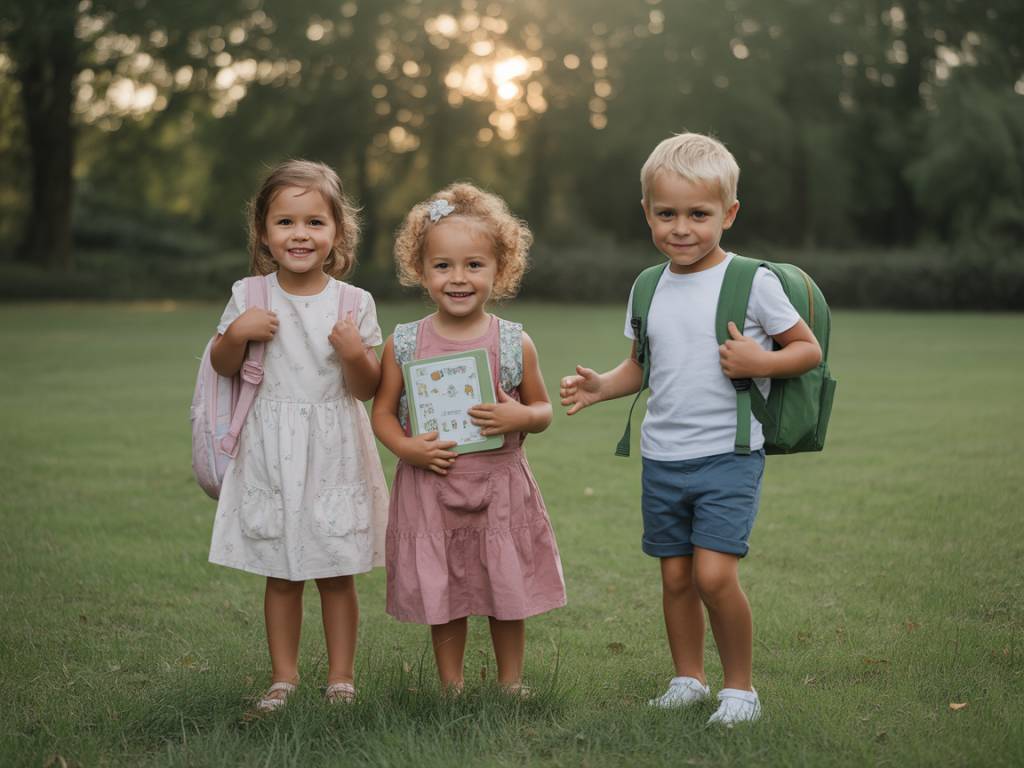
Why an eco-friendly back-to-school reset matters
For many UK families, September feels more like a new year than January. New routines, new teachers, new activities — and, all too often, a trolley full of new stuff. The average UK family spends hundreds of pounds on back-to-school shopping, and much of it is plastic-heavy, poorly made and destined for the bin long before the school year ends.
Shifting to a more eco-friendly approach doesn’t mean spending more or depriving your child of things they need. In many cases, it means buying less, buying better, and using what you already have. This guide brings together the most practical ideas for UK families who want to reduce waste, cut down on plastic and support more ethical brands, while still navigating real-world school requirements and tight family schedules.
Start with what you already have
Before adding anything to an online basket, take a full inventory at home. A half-hour “back-to-school audit” can save money and prevent unnecessary purchases.
Spread everything out on a table or the floor and sort into three piles:
- Still perfectly usable: items that just need a wash, sharpen or quick repair.
- Needs minor TLC: things that can be mended, relabelled or refreshed.
- Truly worn out or outgrown: things that need recycling, repurposing or replacing.
Look through uniform, PE kit, lunchboxes, water bottles, pencil cases, stationery and tech accessories. Children often enjoy “shopping the house” when they can help choose which items feel most like them. Turn it into a mini project: ask them to find everything school-related in their room, then check what can be revived.
Eco-conscious school uniforms on a budget
School uniforms are one of the biggest annual expenses for UK families, and also one of the biggest sources of waste. Between growth spurts, playground scrapes and changing schools, many clothes have plenty of life left in them when they’re discarded.
1. Make pre-loved your first stop
- Check if your school runs a second-hand uniform sale or has a dedicated rail in reception or the PTA shed.
- Browse local Facebook groups, Nextdoor or community WhatsApp chats for parents giving away or selling uniform bundles.
- Use apps such as Vinted or eBay for logo-free basics (trousers, skirts, shirts, tights) which can be paired with your school’s branded items.
2. Choose better fabrics and construction
When you do buy new, prioritise durability over fast fashion trends. Natural fibres like organic cotton, TENCEL™ or cotton blends breathe better, wash well and often outlast cheaper synthetics.
- Look for GOTS-certified organic cotton or fabrics with OEKO-TEX Standard 100 labels for reduced chemical use.
- Buy slightly roomy sizes that will fit for at least two school years, especially for pricier items like blazers.
- Reinforce knees and elbows with simple iron-on patches to prolong life.
3. Extend the life of uniform
- Label everything clearly (surname only works well if you plan to pass items between siblings).
- Keep a repair basket with spare buttons, thread and iron-on patches for quick fixes.
- Rotate pieces during the week to avoid over-washing and premature fading.
School bags, pencil cases and stationery swaps
Bags and stationery are often where children feel they can express themselves — but they can also be a source of cheap plastic clutter. The goal isn’t perfection; it’s to choose items that last, are partly recyclable or made from better materials, and can be repaired or refilled.
1. School bags that go the distance
- Opt for sturdy backpacks with reinforced stitching and a simple, timeless design your child will still like next year.
- Look for brands using recycled PET (rPET) from plastic bottles, or organic cotton canvas with a water-resistant finish.
- Avoid very cheap novelty bags that tend to break mid-year and are hard to repair.
2. Low-waste pencil cases and contents
- Choose a fabric or cork pencil case instead of PVC. These are usually more durable and easier to wash.
- Switch to wooden pencils from sustainably managed forests (look for FSC certification).
- Buy metal sharpeners and sturdy metal rulers rather than brittle plastic ones.
- Use refillable pens (including fountain pens with cartridges or converters) instead of endless disposables, if allowed by school.
- Look for erasers without PVC and phthalates, often labelled as “PVC-free”.
3. Smarter buying strategies
- Create a small home stationery drawer where you keep surplus items to avoid panic-buying duplicates in September.
- Buy in bulk for siblings or share packs with another family to reduce packaging and costs.
- Let your child choose one fun item (a patterned folder or a special pen) to satisfy that “new year” excitement without overbuying.
Greener lunchboxes and water bottles
Packed lunches can generate a surprising amount of waste: cling film, single-use yoghurt tubes, individually wrapped snacks. With a few swaps, you can cut down rubbish, save money and often improve what your child is eating.
1. Choose long-lasting containers
- Pick a sturdy lunchbox that will survive being dropped and squashed. Stainless steel or BPA-free hard plastic options with separate compartments work well.
- Use small containers or silicone muffin cups inside to separate food instead of disposable wrappers.
- Skip disposable cutlery in favour of a lightweight metal or bamboo set stored in a small cloth pouch.
2. Ditch single-use plastics
- Replace cling film with reusable sandwich wraps or beeswax wraps (check your school’s allergy policy if using beeswax products).
- Buy large tubs of yoghurt and portion into small reusable pots instead of single-use tubes and pots.
- Choose snacks like fruit, nuts (if allowed), or bulk-bought crackers in reusable containers rather than individually wrapped bars.
3. Better water bottle choices
- Look for stainless steel bottles — they’re durable, keep drinks cool and avoid microplastics.
- If your child regularly loses bottles, consider a clearly labelled mid-range option instead of the most expensive model.
- Attach a bright fabric loop or keyring so it’s easily recognisable in a sea of bottles by the classroom sink.
Eco-friendly tech and accessories
As homework and communication increasingly move online, many older primary and secondary pupils need devices and accessories. While laptops and tablets themselves can be harder to shop “eco”, you can still make mindful choices around condition, materials and longevity.
1. Consider refurbished over new
- Refurbished laptops and tablets from reputable UK retailers can be significantly cheaper and prevent another device being manufactured.
- Look for at least a 12-month warranty and clear grading of cosmetic condition.
- Ask your school whether a high-spec device is truly necessary or if a simpler model will do the job.
2. Choose durable accessories
- Invest in a tough, padded case that is more likely to last the entire school phase rather than just a single year.
- Prefer fabric or recycled-material sleeves over flimsy plastic ones.
- Select good-quality headphones, ideally repairable or with replaceable ear pads to extend life.
3. Use energy wisely
- Encourage your child to shut down devices properly instead of leaving them in standby mode overnight.
- Charge devices during the day when possible, when solar generation on the UK grid tends to be higher.
- Keep devices in good condition (ventilation, cleaning ports) so they last longer and don’t need replacing as quickly.
Low-waste PE and after-school activities
Sports and clubs can involve a lot of gear: trainers, football boots, musical instruments, dance shoes, art supplies. With a bit of planning, you can equip your child without the usual waste and panic-buying.
1. Tap into local networks
- Ask coaches, club organisers or music teachers about any swap schemes or pre-loved kit boxes.
- Check local charity shops in August and early September; many put out sports gear and instruments in time for term.
- Consider instrument rental through the local music service rather than buying new immediately.
2. Buy versatile, long-lasting items
- Choose neutral-coloured trainers that can work for both PE and weekend wear.
- Opt for unbranded or minimally branded kit when school rules allow; it’s easier to pass on or resell.
- Invest in a good-quality sports bag that can be used for multiple activities and last for several years.
Teaching children to be eco-conscious consumers
One of the most powerful shifts you can make is involving your child in these decisions. Back-to-school season is a perfect opportunity to talk about value, waste and what it means to care for the things we own.
- Explain the idea of “buy once, use for years” versus “buy cheap, replace often”.
- Give them a small budget for “fun extras” and encourage them to choose items that will really be used.
- Show them how to mend a small tear, sew on a button, or clean a scuffed shoe.
- Let them help decide which clothes and supplies to donate, swap or sell on.
When children understand why the family is making different choices — whether it’s choosing pre-loved uniform, a second-hand laptop or a stainless steel water bottle — they’re more likely to take care of their belongings and feel proud of the role they’re playing.
Planning ahead for a smoother, greener year
Eco-friendly back-to-school planning isn’t something you have to perfect in one summer. Start with the simplest changes that feel achievable for your family: maybe it’s second-hand uniform this year, or switching to zero-waste packed lunches, or finally investing in a long-lasting backpack.
Keep a short list in a notebook or on your phone of what actually gets used and what doesn’t. By October half-term, spend ten minutes reviewing it with your child: Which shoes are wearing out fastest? Which stationery went missing? What did they love and what could they do without next year? That quiet reflection is where real savings — and meaningful environmental impact — begin.
By thinking carefully about what you bring into your home each September, you not only reduce waste and save money, you also model thoughtful, conscious choices for your children. Those habits, more than any single product, are what make the biggest difference to the planet they’ll inherit.