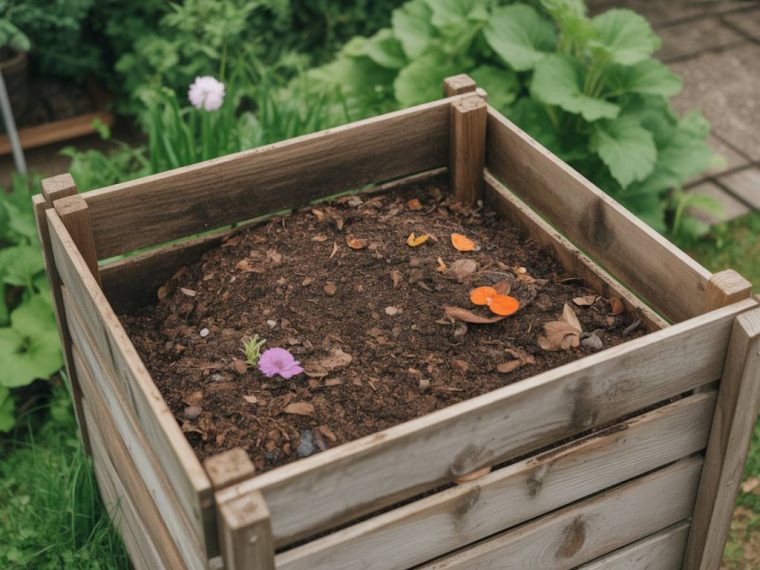
Have you ever stood in your kitchen, banana peel in hand, wondering if there’s a better fate for it than the rubbish bin? If you have a garden — or even just a few potted herbs on your windowsill — then the answer is a warm and earthy yes. Composting at home isn’t just for folks with allotments and muddy boots. It’s for curious children, conscious mamas, and beginner gardeners gently learning to nurture not just their plants, but the planet too.
Let’s unravel the quiet magic of composting — how it can help you grow lush, healthy plants, reduce your household waste, and gently teach your family about nature’s beautiful cycles of giving and receiving.
What is Composting, Really?
Composting is nature’s way of recycling — think of it as a cosy bed where your kitchen scraps and garden clippings curl up together and slowly transform into nutrient-rich soil. With minimal effort, you can turn « waste » into something nourishing and alive. It’s kind of like watching the messy ends of a day — a crust of bread, some apple cores — morph into tomorrow’s promise of blooming courgettes or crisp lettuce. There’s undeniable poetry in it, don’t you think?
Why Composting is a Kind Choice for Families
When you’re juggling snack times, muddy wellies, and cheeky demands for « just one more bedtime story, » composting might seem like one more thing on the to-do list. But here’s the soul-soothing truth: composting can be surprisingly simple, and the benefits ripple kindly through your home and heart.
- Less Waste, More Awareness: By separating your food scraps, you become gently more mindful of what your family consumes — and what goes uneaten. Even little ones begin to notice what goes where, sparking early eco-awareness without the need for heavy lectures.
- Free and Fabulous Fertiliser: Say goodbye to synthetic plant food and hello to rich, crumbly compost that nourishes your garden naturally. It’s like homemade soup for your soil — hearty, warm, and made with love.
- Connection to Nature: Watching a pile of scraps turn into fragrant earth grounds us — especially in a world that moves too fast. It’s a gentle reminder that change takes time, and growth often begins in unseen places.
Getting Started: Composting for the Busy (and the Curious)
You don’t need a huge plot of land or fancy equipment to begin composting. Trust me, if you’ve ever managed bedtime negotiations with a toddler, you can handle a compost bin.
First, choose your composting setup:
- Outdoor Compost Bin: Perfect if you have a bit of garden space. Choose a shady corner (compost doesn’t love sunburn) and look for a bin with good airflow.
- Compact Kitchen Composter: Great for flats or small homes. Bokashi bins or countertop composters are neat, smell-free, and perfect for beginner eco-adventures.
- Worm Composting (Vermicomposting): A hit with kids! Red worms munch through your scraps and leave behind rich castings — a.k.a. black gold for your plants. Added bonus: your littles will probably name the worms.
Once your setup is ready, it’s time to start feeding the pile. Here’s a simple rule of thumb:
- Greens: These are moist, nitrogen-rich items — kitchen scraps like veggie peels, fruit cores, coffee grounds, and tea bags (unbleached!).
- Browns: Dry, carbon-rich materials like shredded paper, cardboard, dry leaves, and straw.
For a happy compost, aim for a balance — a few handfuls of browns for every portion of greens. Trust your instincts as you would in baking: if something feels off, adjust and observe.
Teaching Kids the Composting Dance
There’s a quiet magic in showing your child that even a shrivelled carrot or a bruised apple can have a second life. Composting is less about chores and more about storytelling — a tale of transformation whispered in the language of worms, rain, and roots.
Here are a few playful ways to bring little hands (and hearts) into the compost rhythm:
- Compost Sorting Game: Make a colourful chart of “What Goes In?” and “What Stays Out?” — include cute drawings and let your children help decide where each leftover goes.
- Worm Observation Time: If you’re vermicomposting, sit with your child and quietly observe the worms. Ask gentle questions: “What do you think they’re eating today? Are they happy?” A perfect invitation to mindfulness.
- Compost Jar Experiment: Fill a clear jar with layers: veggie scraps, leaves, and a bit of soil. Watch as it slowly changes. It’s a tiny science station right by the kitchen window.
What Not to Compost (Because Even Compost Has Boundaries)
While composting is beautifully forgiving, some things are better left out — for both the health of your pile and your garden’s wellbeing:
- Dairy and meat products (they smell and attract uninvited critters)
- Oily foods like fried leftovers or salad dressings
- Pet waste — unless you’re set up for it specifically!
- Weeds with seeds or diseased plants
- Glossy, coloured paper or plastics
A little rule I like to follow? If I wouldn’t feel good burying it beneath my beloved tomato plants, it probably doesn’t belong in the compost bin.
Composting Through the Seasons
Much like parenting, composting shifts with the seasons. In spring and summer, your compost warms up, speeds up, and dances with life. In autumn, it takes in crunchy leaves like a blanket, and in winter, it slows — but never truly sleeps.
During colder months, help your pile stay toasty by:
- Adding more browns to insulate
- Turning it less frequently to keep warmth in
- Using a compost cover (an old piece of carpet or cardboard works well)
It’s a beautiful reminder for us all: even in stillness, transformation is happening.
Harvesting Your Compost: Reaping the Rewards
After a few months — typically 6 to 12 depending on your method — you’ll notice your compost looking, smelling, and feeling like rich, crumbly earth. This is your garden’s love language in physical form.
Scoop it into pots, mix it into your garden beds, or sprinkle it at the base of your fruit trees. It’s like giving your plants a warm hug from beneath the soil.
And honestly? Spreading homemade compost feels a bit like watching your baby finally sleep through the night — hard-won, deeply rewarding, and only properly appreciated by someone who’s lived the journey.
It All Starts with a Peel
Whether you harvest armloads of courgettes or coax a single parsley sprout from the earth, composting teaches us the quiet power of persistence and care. It lets us — even in the smallest city flat or the busiest family kitchen — take an active role in healing our patch of the planet.
So next time you hold a banana peel or a vegetable top in your hand, pause. You’re not about to throw something away. You’re beginning a new little cycle — one that nurtures your family, your garden, and the earth they both call home.
And isn’t that just a little bit beautiful?