There’s something profoundly beautiful about watching our little ones discover the world—those wide eyes curious about everything from butterflies to biscuit crumbs on the floor. And somewhere between the school run and bedtime stories, we find ourselves wondering: how do we gently plant seeds of awareness that will grow into conscious, caring habits? Recycling might not seem the most dazzling topic at first glance (especially when compared to glitter or dinosaurs), but when approached with creativity and curiosity, it becomes a treasure hunt, a science activity, even a mini rebellion against waste. Let’s explore thoughtful, joyful ways to teach our children about recycling—methods that mirror the gentle rhythms of mindful parenting and celebrate our planet with the same tenderness we extend to our families.
Start with the Why: Turning Questions Into Conversations
“Mummy, why do we throw away yoghurt pots?” It begins like that, often mid-snack or while packing lunchboxes. Instead of a rushed answer, these moments offer a golden opportunity to nurture awareness. Explain that some items, like yogurt pots, can be reborn—turned into garden planters, watering pails, or even building blocks in their next life. Frame recycling as a story of transformation, filled with magic and possibility—because isn’t that exactly what these early years are about?
Children naturally care. They care about the fox they saw in the garden, the bee on the windowsill. When they understand that recycling helps protect these small wonders, it becomes personal—and powerful.
Recycling at Home: Let Them Lead
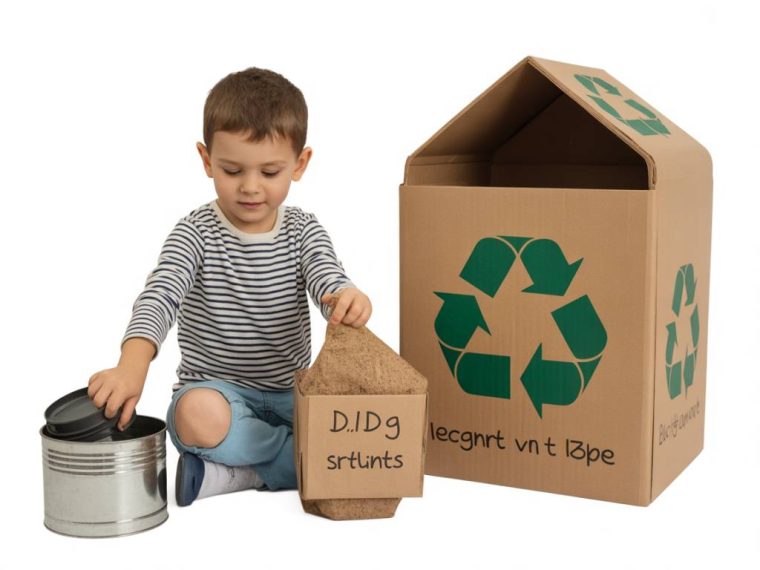
Our homes are vibrant ecosystems of learning. Instead of making recycling another adult responsibility tucked beside the compost bin, bring your little ones into the process. Assign them roles they can be proud of—bin detective, cardboard flattener, crayon sorter—and watch how ownership fuels their enthusiasm.
- Create a Recycling Station Together: Use colourful labels or drawings to mark bins for paper, plastic, glass and compost. This transforms sorting into a visual, tactile experience—perfect for younger children learning through play.
- Make It a Game: Start a weekly “Recycling Riddle”—pose a real item and ask, “Where does this go?” Wrong answers become springboards for learning, not scolding.
- Celebrate Milestones: Recycled your hundredth milk bottle? High-five moment! Small celebrations create emotional connections to eco habits.
One morning, as we folded a cereal box together, my five-year-old whispered, “This might become a pirate ship someday.” Imaginations are powerful recyclers too.
Crafting with Purpose: Turning Trash into Treasure
Recycling doesn’t end at the bin—it begins again in the art corner. Engaging children in upcycling activities not only sparks creativity, but also deepens their emotional connection to repurposed materials. Instead of seeing a bottle cap as rubbish, they’ll start to see it as a robot’s eye or the moon in a collage. The possibilities are endless, and isn’t that the most delightful aspect of crafting with kids?
- Toilet Roll Tube Owls: With some paint, scrap paper, and googly eyes, those humble cardboard tubes become woodland creatures guarding bedtime books.
- Paper Box Cities: Use old cereal boxes, yoghurt pots, and packaging to build miniature villages together. Add a family of egg-carton people for good measure.
- Compostable Art: Paint with avocado pits, print with potato stamps, or design biodegradable decorations for your garden plot. Let nature be your canvas and your brush.
Through these fun creations, children see that what we often discard can be a canvas for expression and storytelling. It becomes less about ‘throwing away’ and more about ‘making anew’. And there’s something quietly profound in teaching our children that resources—and dreams—can be reused, repurposed, and reborn.
Learning Outdoors: Nature as the Ultimate Teacher
Some of the most transformative lessons unfold not within four walls, but beneath the open sky. Nature gently teaches cycles, decay, and growth—all the rhythms that recycling echoes. A walk in the woods can reveal a world of decay giving way to life—leaves returning to soil, worms feasting beneath composting logs. These quiet revelations ground the abstract concept of recycling in something tangible… and magical.
- Garden Composting: Involve your children in composting food scraps, leaves, and garden clippings. Let them observe how waste transforms into nourishing soil over the weeks. Give your compost heap a name—it makes it feel like part of the family (ours is “Compostina”!).
- Collect Recyclables on Walks: Take a bag along for litter-picking and explain what happens when plastic ends up in forests or rivers. Many children develop a fierce sense of fairness—and protecting animals becomes their mission.
- Mini Nature-Based Science Experiments: Try burying a banana peel and a plastic wrapper side by side—and check back weeks later to see what’s changed. Let them draw conclusions and share their findings with friends or family.
These moments outdoors, hands dirty, hearts full, invite children to see themselves as part of a bigger narrative—one where every small action ripples outward.
Books and Storytime: Sowing Seeds Through Stories
Stories have a way of saying things softly but deeply. They slip into little minds like lullabies, planting seeds we don’t even realize are growing until long after the last page is turned. Choose books that naturally embed the importance of recycling, caring for animals and resisting wastefulness—but done with charm and wit, not preachiness.
- The Mess That We Made by Michelle Lord – A powerful, rhythmic tale about ocean pollution and the difference we can make together.
- Michael Recycle by Ellie Bethel – A superhero with a green cape and a big recycling message that kids love shouting out loud.
- Not for Me, Please! by Maria Godsey – A gentle journey into ecological awareness through the lens of a child choosing to say “no” to waste.
Bedtime stories become more than routine; now, they’re brave beginnings in shaping tomorrow’s eco-heroes.
Lead by Example: The Power of Everyday Choices
You see, our children watch. Always. Even when we think they’re busy with paper crowns or eating peas with their fingers, they’re absorbing how we move in and care for the world. If they see us making conscious choices—choosing refill shops, bringing our own containers, fixing instead of throwing—these acts become their norm.
Speak aloud the choices you make: “I’m using this shampoo bar instead of a bottle—it doesn’t make plastic waste.” It’s not boasting; it’s modelling. It’s a conversation starter that helps them connect values with visible action.
And when you make mistakes (because we all grab that plastic-wrapped snack in a rush sometimes), share that too. Talk about how you’re learning still. That humility teaches them so much more than perfection ever could.
Using Technology Thoughtfully
Sometimes, technology can be a gentle ally. Use short animated videos about recycling from platforms like BBC Bitesize or Earth Rangers. Visit virtual recycling plants or explore nature-themed interactive games. Keep it intentional and balanced—a supplement to real-world engagement, never a substitute.
And why not let them ‘report’ on the recycling bins like a tiny news anchor? My daughter once gave a very serious broadcast on our overflowing cardboard bin, heart sticker on her cheek and all—what can I say, investigative journalism starts early in our home.
Making It Part of Family Culture
Ultimately, teaching children about recycling isn’t just about bins and sorting. It’s about weaving respect—for nature, for resources, for community—into the fabric of our family lives. It’s another way of saying: “We care for what we’ve been given, and we look after tomorrow together.”
Let it be playful, imperfect, real. Let it grow slowly, like seedlings in spring, watered by curiosity and joy. Because when we teach with love—not guilt, not fear—we raise humans who not only know how to recycle but who understand why it matters. And that, in itself, is a quietly radical act.
So here’s to banana peels turned compost, robots made out of jam jars, and tiny hands that believe saving the world is part of their daily adventure—right between snack time and stargazing. 🌍✨