Waking up to the sleepy coos of a newborn and a sky that still whispers of dawn, there’s often little time to think about self-care—especially when our focus is wrapped in muslin blankets and milky sighs. But sooner or later, post-pregnancy, a familiar routine cycles back into our lives: our menstrual flow. And with it, comes the opportunity to reassess the products we use and the impact they have—not just on our bodies, but on the planet our little ones will inherit.
For many of us, motherhood sparks a shift. We become more aware, more intentional. It’s no longer just about comfort or convenience (though yes, those still matter). It’s about choosing what’s kind—to ourselves, and the world around us. In the swirl of nappies, nursing bras, and sleep-deprived decisions, switching to sustainable menstrual products might feel like just another thing on the to-do list. But it might also be the first, gentle step into reclaiming your post-baby body—in mindful, honest care.
Why Make the Switch After Pregnancy?
Our bodies change–and keep changing. After childbirth, your hormonal rhythm may temporarily shift, your flow pattern might surprise you, and your skin can become more sensitive. Many new mums find that what worked pre-baby doesn’t quite suit them anymore. Coming back to menstruation can be an invitation to press reset—with freedom to explore healthier, safer alternatives.
Conventional disposable pads and tampons often contain plastic, dyes, fragrances, and synthetic materials—things you’d never willingly place near your newborn, yet we place them near our most intimate skin monthly. Postpartum priorities often re-centre around gentleness, simplicity, and wellness. Sustainable menstrual products fall beautifully into this alignment: kinder to the body, safer long-term, and often more cost-effective—with much less waste.
Sustainable Menstrual Product Options
The world of eco-friendly period care has grown beyond hemp-wrapped mysteries and crunchy granola stereotypes (though we embrace those too!). Here are some of the most loved low-waste options, especially tailored for the tender season post-baby:
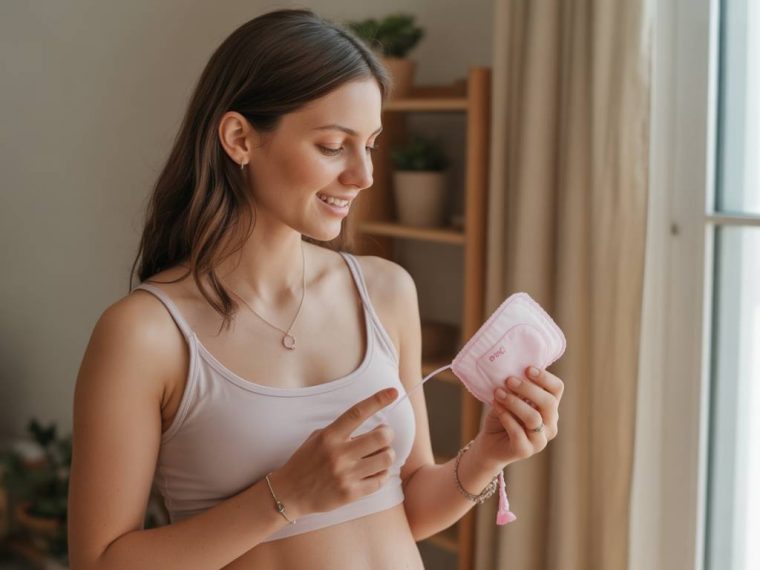
- Cloth Pads: Soft, breathable, and perfect for sensitive skin. Modern versions come with snap closures, vibrant patterns, and super-absorbent layers made of organic cotton or bamboo. They’re an easy transition from disposables, especially for mums navigating light postpartum spotting.
- Menstrual Cups: A small, flexible cup made from medical-grade silicone that sits inside the vagina to collect blood. It might sound intimidating at first (especially after childbirth), but once healed, many find cups liberating—less frequent changes, no waste, and ideal for active parenting days.
- Period Pants: Game-changer. These look and feel like regular underwear, but with absorbent, leak-proof layers built in. Soft, fuss-free, and a favourite for overnight use or for mums multitasking midday with a toddler on one arm. They also work brilliantly during the transition back to regular periods.
- Sea Sponges: A natural, reusable alternative similar in use to a tampon. While not everyone’s cup of tea, those who love them speak of unparalleled comfort, and they’re fully biodegradable.
Each option has its time and place—and personality. If you’re newly postpartum and unsure, start with cloth pads or period pants. Cups and sponges require some internal use, which may feel too invasive right away. Trust your body. It will let you know when it’s ready.
But Is It Safe Right After Birth?
A gentle reminder: for the first 6-8 weeks post-birth, you’ll be experiencing lochia—postpartum bleeding—not a period. During this time, internal products (like cups and sponges) are best avoided to reduce risk of infection. Think breathable, bum-hugging comfort instead. Cloth postpartum pads (yes, they exist!) or extra-absorbent period underwear can be a beautiful alternative to the crunchy hospital pads I not-so-affectionately called “mattresses”.
Once your cycle returns (which can vary greatly depending on your body and whether you’re breastfeeding), take your time. There’s no award for diving in overnight. Sample. Read reviews. (Or better yet, talk to that one eco mama friend who LOVES sharing her cup joy.) Most brands now offer trial kits or starter packs, ideal for discovering what fits your new rhythm.
The Day I Tried Period Pants While Pushing a Pram
I’ll never forget it. A mild Tuesday afternoon. My youngest had finally settled in the pram, and I dared a solo stroll to the local park, cup of lukewarm coffee in hand and nappy bag full enough for a weekend hike. I had just received my first pair of period pants, nervously slipping them on earlier that morning.
To my surprise, I didn’t feel like I was wearing anything special. But as I pushed that squeaky-wheeled pram and felt the usual tug of worry about leaks or discomfort… nothing came. No swish or rustle. No damp seat of angst. Just calm. Confidence. Ease. I may have even skipped. Just a little.
Using eco-friendly menstrual products isn’t a halo thing—it’s a harmony thing. My body, the earth, and my overflowing laundry basket all breathed a little easier.
Switch Smart: Tips for Postpartum Sustainable Period Care
- Start slow. Pick one product to try before investing fully. Our bodies are different brands of beautiful, and what suits one mama may not suit another.
- Shop thoughtfully. Look for organic certifications, fair labour practices, and minimal packaging. Bonus if they come in compostable mailers or reusable pouches!
- Support small brands. Many eco-period product companies are run by women, often mamas themselves, who understand the needs behind their products intimately.
- Care instructions matter. Rinsing cloth or period underwear in cold water before washing helps prolong their life and maintain absorbency. Line-drying in sunlight also works wonders—and feels oddly satisfying.
- Listen to your cycle. It might be irregular post-baby. Keep a light, medium, and heavy option on hand to match the ebb and flow without panic.
Talking About Periods with Little Ears Around
If you have bigger kids around, you might notice their curious eyes when you rinse a pad or fold a new pair of bright red period pants.
Here’s the beautiful thing: switching to sustainable options often opens the door to open, empowering conversations. Periods become less “icky” and more part of nature’s rhythm—just like seasons, just like growing up. My eldest once asked, “Mummy, do your pants have superpowers?” I smiled. “Only once a month, darling.”
Let your family witness your choices. The soft fabric. The reusable pouch. The quiet strength in choosing something that makes sense for your body and the Earth. It’s these seeds of awareness, casually dropped amidst snack times and towers of wooden blocks, that help raise a generation that sees periods as normal, beautiful, and completely not taboo.
Final Thoughts in the Glow of a Nightlight
There’s something quietly radical about tuning into your cycle with softness. In the sacred whirlwind that is early motherhood, making the switch to sustainable menstrual care isn’t just about reducing waste or avoiding chemicals. It’s about re-entering your own body with intention. Like slipping into a well-loved jumper, familiar yet renewed.
It’s okay if you’re tired. It’s also okay if you’re not ready yet, or if you mix and match for a while. There’s no perfect, just progress—and every small shift adds up. To healing. To empowerment. To a future our children can tread barefoot in, without stumbling upon the remnants of our disposables.
May we bleed gently, wisely, and in ways that honour our new selves. One washable pad at a time.