Ever tried getting your toddler to eat peas while simultaneously researching the difference between carbon offset and carbon neutral? Same. If you’re like me—a mum with green dreams and sticky handprints on every surface—you probably want to raise your family in a way that’s a little kinder to our lovely planet. But it’s easy to feel overwhelmed, isn’t it? Between lunchboxes, laundry, and late-night cuddles, who has the time to calculate carbon emissions?
Take a deep breath. You don’t need to change everything at once. Sometimes, it’s the simple, consistent actions that make the biggest difference. So, pop the kettle on (or reheat your once-hot coffee for the third time), and let’s share a few gentle, fuss-free hacks to help lower your family’s carbon footprint—bit by bit, with no guilt, and lots of love.
Make Meat-Free Meals a Weekly Ritual
Did you know that skipping just one meat-based meal a week can significantly reduce your family’s environmental impact? Animal agriculture is a big contributor to greenhouse gas emissions, but the good news is that small shifts matter.
In our home, “Meatless Monday” has become a fun, creative kitchen adventure. We’ve discovered new favourite dishes like roasted chickpea tacos, creamy lentil curries, and homemade veggie pizzas (bonus: little hands love decorating their own). Not only do these meals help the planet, they also teach our little ones about variety and mindful eating.
Try starting with:
- Lentil Bolognese instead of traditional mince
- Plant-based soups bulked up with beans and seasonal veg
Remember, it’s not about being perfect—it’s about progress. Even one plant-powered dinner a week is a beautiful start.
Embrace Second-Hand with a Full Heart
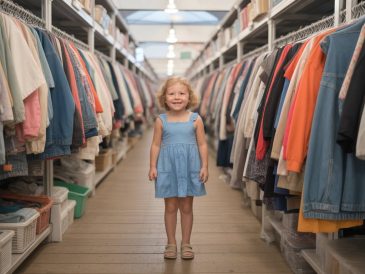
From baby clothes to books, choosing pre-loved items is a win for both the environment and your wallet. The production of clothing and household goods uses up vast amounts of energy and water, but the second-hand market today is rich with charm, character, and treasures waiting to be loved again.
Our children outgrow everything so quickly (how is it possible that tiny booties already don’t fit anymore?). When I found out our local charity shop had nearly-new shoes for toddlers at half the price, I was hooked. Plus, involving kids in the thrifting process can be a fun adventure—and an early lesson in sustainability.
Top tips for second-hand success:
- Check local Facebook groups, vintage markets, and online platforms like Vinted or eBay
- Host swap parties with other parents—trading toys or clothes over a cuppa is always a win
- Upcycle together: transform an old t-shirt into a superhero cape or a pillowcase into a tote bag
Walk, Pedal, Scoot—Make the Journey Part of the Joy
Cars are convenient, yes—but they’re also a major source of emissions. Wherever possible, try swapping one short weekly drive for a walk, bike ride, or scoot (because let’s face it, scooters are basically the coolest mode of transport when you’re five).
Is the school run within walking distance? Could a weekly grocery trip become a family stroll with your reusable bags in tow? Not only does this reduce your carbon emissions, it builds in natural movement, fresh air, and a chance to connect without screens or seatbelts.
My daughter and I often play games on the way to nursery—spotting colours, singing songs, or just chatting about the sky. The journey becomes a memory, not just a chore.
Switch to Reusables Without the Pressure
You don’t need to purge your kitchen or buy a million bamboo alternatives overnight. Slowly swapping single-use items for reusables is a kind and impactful step towards sustainability.
Start with just a few:
- A set of cloth napkins (because why not make every family dinner feel just a touch fancy?)
- Reusable snack bags or beeswax wraps for packed lunches
- Stainless steel straws and sturdy water bottles for on-the-go hydration
Reusable items aren’t just eco-friendly—they reduce clutter and costs too. And little hands love being part of it. My son insists on filling his own water bottle every morning; it’s a quiet little ritual I find oddly soothing (well, until the water spills).
Create an Energy-Conscious Home (Without the Tech Overwhelm)
We don’t all have the budget for solar panels or smart thermostats, but we can teach our kids to respect energy in simple, meaningful ways.
Some gentle yet effective tactics include:
- Getting into the habit of switching off lights when we leave a room (make it a game!)
- Washing clothes in cold water and line-drying when the sun blesses us with its presence
- Unplugging devices when not in use—especially those sneaky phone chargers
You can turn it into a mini-mission: try naming your power strip (“Sir Plug-a-lot” perhaps?) and assign your little ones the role of power-saving knights at bedtime. Who said energy efficiency couldn’t be fun?
Grow Something—Big or Small
Whether it’s a sprawling vegetable patch or a tiny basil plant on the windowsill, growing something as a family is a gentle reminder of nature’s rhythm—and reduces food miles in the loveliest way.
Start small and see what sticks:
- Herbs like mint or parsley in reused yoghurt pots
- Tomatoes or strawberries in a sunny window box
- Lettuce or carrots in a recycled container garden
Children flourish when they’re given the chance to nurture something. Watching my daughter proudly nibble the basil she picked herself is a joy I didn’t know I needed. And yes, we give each plant a name. (Meet Basil, the basil.)
Rethink the Toy Box
Toys are so often plastic, battery-powered, and short-lived in interest. But there are ways to balance fun with sustainability. Fewer toys, thoughtfully chosen, actually encourage deeper creativity and play.
What works beautifully in our home:
- Sustainable wooden toys that grow with the child (hello, open-ended play)
- Sharing toy libraries or rotating with friends to keep things exciting
- Creating toys together: cardboard box castles, sock puppets, or treasure maps on scrap paper
And when birthdays or holidays approach, try suggesting experience-based gifts to family—a zoo visit, art class, or day out in nature spark joy far longer than the latest fad toy.
Talk About It—With Tenderness
Sometimes, the most powerful shift comes from simply opening the conversation. Talk to your children about why you’re making these changes in a way that celebrates caring, not fear. Explain that we look after the earth like we look after each other—with love and consistency.
Use books, songs, or stories to connect the dots. Watch cloud patterns. Thank the bees. Collect leaves. Let your natural curiosity guide those precious moments of learning.
Sustainability, in its essence, is a love story: with the earth, with each other, and with the small choices we string together like pearls on a necklace of hope.
So, dear reader, if today all you manage is to swap foil for a wax wrap, or take a five-minute walk instead of the car—know that it matters. Hug your little ones close, sip your tea (cold or hot), and carry on doing your beautiful best. The planet is lucky to have a family like yours on its side.