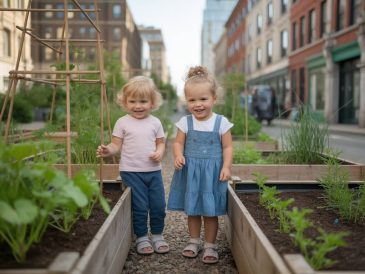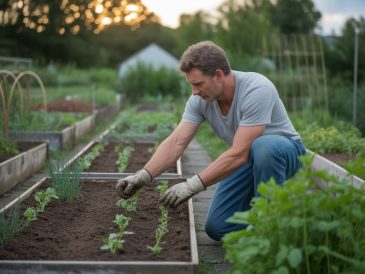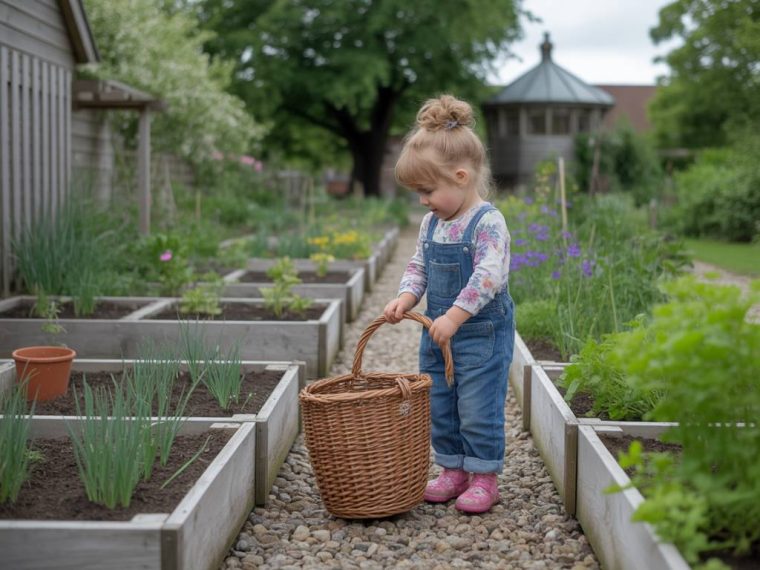
There’s something quietly magical about watching little hands press seeds into soil, eyes wide with wonder at the whisper of growth beneath the surface. Seasonal gardening isn’t just about cultivating a thriving veggie patch or a blooming border—it’s about nurturing a connection. With nature, with rhythm, with one another. Especially here in the UK, where every season brings its own mood, scent, and surprise, gardening invites us to notice, to slow down, and to participate in life’s generous cycle—muddy knees and all.
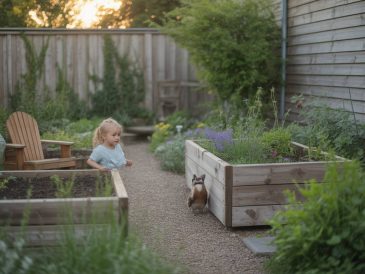
At home with my two little explorers, our garden is less of a showcase and more of a place of joyful chaos: scattered pebbles, forgotten watering cans, and raspberries disappearing before they’re ripe. Whether you have a sprawling green space, a petite patio, or just a few pots on a balcony, seasonal gardening can become a family tradition wrapped in laughter, learning, and a pinch of worm-chasing madness.
Why Seasonal Gardening Matters
Gardening in tune with the seasons isn’t just more sustainable—it’s also more rewarding. By aligning your garden activity with nature’s pace, you reduce the need for artificial inputs (hello, happy Earth!) and give plants the best chance to thrive. It also sets the stage for time-spaced family rituals—from sowing early peas in spring to gathering conkers and digging up the last carrots in autumn.
For little ones, these seasonal cycles anchor time in a tangible, earthy way. No wall clock can rival the thrill of spotting the first snowdrops or popping sun-warmed cherry tomatoes into a giggling sibling’s mouth.
Spring: Sowing Seeds & Growing Curiosity
Spring in the UK flirts with sunshine and showers, waking the soil from its winter slumber. It’s a time of sweet promise, perfect for introducing children to the innate wonder of tiny seeds becoming something real.
- Start with easy wins: Radishes, salad leaves, and peas are wonderfully enthusiastic and quick to grow. Their progress whispers affirmations to young gardeners: « Look! You’re doing it right! »
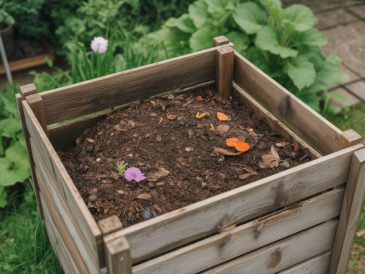
- Get hands-on with compost making: Kids love watching their banana peels turn into rich, lovely earth. Start a compost bin together and talk about how food waste can become life-giving soil.
- Create a bee buffet: Sow wildflowers or plant spring bulbs like crocuses or daffodils. Not only are they utterly enchanting—they also offer vital food for pollinators emerging from hibernation.
“Mummy, will this seed turn into a dragon plant?” my son asked once, lovingly patting the earth. Maybe not quite a dragon, but close enough—gardening is its own kind of magic school.
Summer: Sun-Kissed Harvests & Teachable Moments
Ah, British summers. Gentle warmth, surprise showers, and strawberries that (almost) don’t make it into the bowl. This is the season where your spring efforts begin to pay off, and the joy of harvesting becomes the daily delight.
- Harvest together: Invite your children to pick ripe tomatoes, berries, or even herbs. Let their fingers explore textures and scents—basil and mint are favourites in our house for spontaneous sniff-tests.
- Watering becomes a ritual: Warm evenings are ideal for a slow wander with a watering can. We sing songs (« sprinkle sprinkle little thyme… ») and talk to the plants—it might help, it certainly can’t hurt!
- Watch out for pests naturally: Instead of reaching for pesticides, encourage birds and ladybirds with insect houses or strategically-placed marigolds. It becomes a mini ecosystem before your eyes.
Summer can also be a time for playful experimentation: try growing sunflowers for a family competition, or plant a children’s sensory patch full of lamb’s ear, lemon balm, and chives. Let them nibble, sniff, and squish to their heart’s delight (within reason, of course!).
Autumn: Gratitude in Every Leaf
Autumn is a slower waltz. It hints at rest, gently nudging our gardens toward slumber. There’s something deeply grounding in its rhythm—clipping herbs for drying, crunching through leaves, discovering the last hidden courgette like a forgotten treasure.
- Harvest roots and store: Carrots, parsnips, and potatoes are excitedly unearthed by tiny trowels. Teach children how to store root veg properly in sand or a dark cupboard, if you have one.
- Decorate with nature: Collect pinecones, conkers, and seed pods to make seasonal crafts—nature’s décor, no plastic glitter necessary!
- Plant for spring: Autumn’s secret is that it’s the beginning of another story. Daffodil and tulip bulbs planted now will nudge up in joyful rebellion come spring.
Our family tradition? A ‘goodbye party’ for the garden in late October—hot chocolate outside, everyone naming their favourite garden memory from the year. One year, my daughter said, “When the snails had a race on the lettuce.” Never happened again—but what a memory!
Winter: Rest, Reflect & Indoor Gardening Play
Even when the garden sleeps, our connection with growing doesn’t have to. Winter invites reflection, rest, and indoor nature play. It’s the perfect season to cozy up with seed catalogues, plan next year’s planting, and introduce tiny green projects indoors.
- Window sill herbs: Parsley, coriander, and thyme can thrive by the kitchen window. Let children care for ‘garden pets’ until spring returns.
- Grow microgreens: Fast-growing and nutritious, microgreens like cress or mustard are easy indoor wins for impatient little hands.
- Feed the birds: Make bird feeders from toilet roll tubes, lard, and seeds. Watching birds flutter in snowy stillness brings a kind of peace only nature offers.
Winter is when our family 📚 brings out books like The Tiny Seed by Eric Carle or Sophie’s Squash—stories that keep the garden spirit alive while frost glitters outside.
Making it Sustainable & Family-Friendly
Gardening with children doesn’t need to be perfect or Pinterest-worthy. In fact, the muddle is part of the memory-making. But a few sustainable (and sanity-saving) tweaks can make the experience smoother:
- Re-use household items: Yogurt pots become seed starters, egg cartons house onion sets, and old boots can even hold soil for a quirky planter!
- Start a gardening journal: Help children track what they’ve planted, observed, and tasted through doodles, pressed leaves, or simple scribbles. It’s a keepsake and a learning tool all in one.
- Take the pressure off: Not every plant has to thrive. Celebrate the journey, the trying, and the shared laughter when something goes wildly awry (looking at you, mutant cucumber of 2022).
Resources for Curious Little Gardeners
Below are a few sweet tools and ideas to spark green-fingered curiosity:
- Books: Roots, Shoots, Buckets & Boots by Sharon Lovejoy is a treasure trove of kid-friendly garden ideas.
- Apps: ‘Grow Your Own’ by RHS is perfect for older children tracking planting dates and care.
- Crafts: Make plant markers using painted pebbles or lolly sticks—a creative afternoon that adds personality to your pots.
Gardening, especially when aligned with the seasons, isn’t just another family activity—it’s a living story we write together, one muddy boot and hopeful sprout at a time. Whether you’re gathering handfuls of mint for tea or wondering how that rogue sunflower ended up in the strawberry patch, each moment leaves its gentle fingerprint on your family’s rhythm.
So let’s lean into the seasons, plant the seeds of patience and joy, and grow something beautiful—not just in our gardens, but in our days.