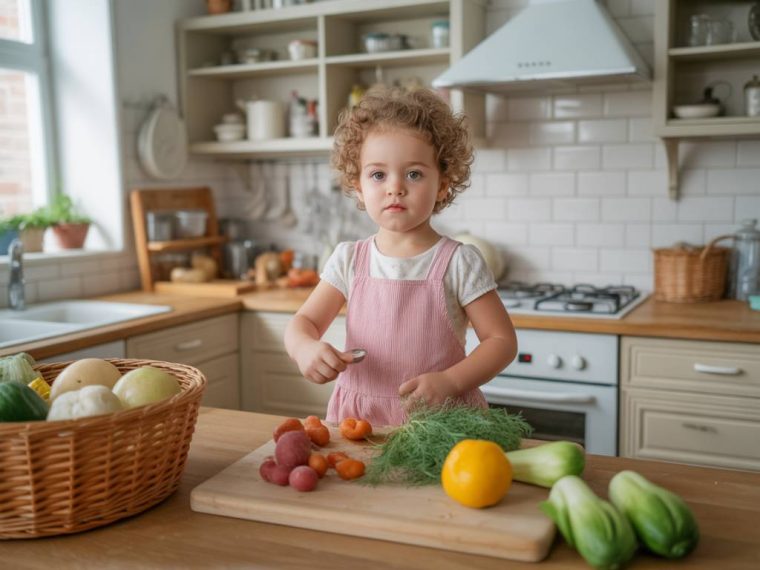
Why Food Waste Matters (Especially in a Family Kitchen)
Have you ever stood in front of the bin, holding a mushy banana or a forgotten Tupperware of leftovers, and felt a pang of guilt? You’re not alone. In busy family life, food waste can sneak up on us—half a sandwich here, wilted spinach there, and poof! Half the fridge looks better suited for compost than dinner.
But here’s the hopeful news: small choices at the heart of our homes—the kitchen—can ripple outward. Reducing food waste isn’t just about saving money (though that’s a lovely bonus). It’s a gentle yet powerful way to care for our planet, teach our little ones about gratitude, and rediscover creativity in the everyday. The family kitchen truly holds the potential to nurture both bellies and values.
The Gentle Art of Planning: When Less Means More
Meal planning might sound like one more thing on an already teetering to-do list. But think of it instead as a quiet act of intention. A moment, maybe with a warm tea in hand, to align what we buy with what we’ll eat (and actually enjoy).
Here’s how thoughtful planning can reduce food waste:
- Create a weekly meal map: Nothing too fancy. Just sketch out dinners for the week using ingredients that overlap—like lentils for Monday’s soup and Thursday’s veggie tacos.
- Shop with purpose: Bring a list. Better yet, check the fridge before heading out. Who knows what half-filled jars or stubborn carrots are quietly waiting their turn?
- Embrace the “leftovers night”: Slide this into your weekly plan like a well-deserved pause button. Leftovers become the star of the show, not a tedious repeat.
Our own family found joy in calling it the “Mystery Plate Buffet.” One time, my daughter turned a single roasted beet and a spoonful of quinoa into a “dragon egg salad”… and honestly, it tasted better than it sounds.
Fridge Tetris: Make Storage Work for You
Our refrigerators aren’t just cold cupboards—they’re often the guardians of our good intentions. Sadly, if we’re not mindful, they can also become graveyards of forgotten celery. But with a few easy shifts, we can give our food a better shot at living its full delicious life.
- Keep a leftovers zone: Dedicate one clear shelf or container for items that need to be used soon. When the kids know it’s the “Eat Me First” spot, even lunchtime becomes an adventure.
- Use glass jars and see-through containers: If you can see it, you’re more likely to use it. Goodbye, mysterious slimy bags. Hello, vibrant homemade dips and half-used pesto finally getting their encore!
- Chop and prep in small moments: Peeling carrots while the kettle boils or slicing cucumbers during a podcast means you’re more likely to grab these snacks later—instead of letting them wilt in neglect.
Also, don’t be afraid to freeze with wild abandon. Leftover pasta sauce? Freeze it. Overripe bananas? Freeze them too—they’ll be a dreamy banana bread on some future rainy day when your heart needs warm comfort with minimal effort.
Cook Once, Eat Twice (or More)
Our grandmothers knew it: stretch a roast into sandwiches, a stew, and a broth. Cooking in batches is not only a time-saver but also a secret weapon against waste.
Here are some « batch magic » ideas:
- Big pot of vegetable soup: Serve one night, blend the leftovers the next for a creamy base, and freeze the rest for an inevitable “I’m too tired to cook” kind of day.
- Grains in bulk: Cook a large batch of rice, quinoa, or couscous, then transform it through the week—stuffed into peppers, tossed in salads, or topped with a poached egg for breakfast (yes, breakfast!).
- Roast extra veggies: Sunday’s tray of roasted roots becomes Monday’s frittata and Tuesday’s wrap filling. With a drizzle of tahini, it feels different every time.
It’s not about becoming a kitchen wizard overnight. It’s about allowing food to wear more than one hat—a bit like parenting, where we juggle roles and find beauty in each incarnation.
Love Your Scraps (They’re Tastier Than You Think)
One discovery that brought laughter into our home? Toasted potato peels. Crisped in a little olive oil with sea salt, they turn into golden bites that rarely make it to the table—eaten warm from the tray by little fingers.
Here are a few more ways to rethink “waste” as hidden treasure:
- Carrot tops: These make the most surprisingly delicious pesto (even better if you toss in a few sad basil leaves in the back of the fridge).
- Stale bread: Bread pudding, croutons, or blitzed into breadcrumbs. It’s a second act worthy of applause.
- Broccoli stems: Peel them and slice thin—toss into stir-fries or munch raw with hummus. Crunchy perfection.
In our house, we call this “scrap-happy cooking.” It turns quiet guilt into playful curiosity. And the children? They delight in knowing we’re “rescuing” food from the bin, one meal at a time.
Involve the Whole Family
Reducing food waste isn’t a solo mission. It becomes rich and meaningful when it’s shared, especially with our little sous-chefs. It can start with simple questions at the dinner table:
- « What leftovers could we turn into something new tomorrow? »
- « Should we try a fridge-clean-out meal this weekend? »
Children are natural inventors. When invited into the process, they transform it. My son once created a “Fruit Surprise” snack from a bruised pear, a spoonful of yogurt, and a sprinkle of cinnamon. Was it gourmet? Not quite. Was it eaten with joy? Absolutely.
Give them real jobs: stirring, peeling, mixing, or choosing what goes into the compost. Building these mindful habits early anchors values for life—and who knows, maybe they’ll become the chefs who save the planet with clever soup from scraps.
The Compost Connection
Even with our best efforts, some peels, cores, and bits are simply not meant for dinner. But they’re not waste—they’re soil in waiting. Composting is nature’s quiet miracle, turning what once was into what will nourish next.
Whether it’s a countertop bin, a garden heap, or a little worm farm (yes, we went there, and yes, the kids were fascinated), composting sends a simple, powerful message: nothing is wasted when we pay attention.
A Few Extra Tools That Help
No need for fancy gadgets—but here are a few humble heroes of the zero-waste kitchen:
- Beeswax wraps or silicon lids: Perfect for swaddling leftover cheese or covering that half-cut avocado (again).
- Labels and love: Date your leftovers. They’ll feel seen, and you’ll remember to use them.
- A running inventory: Scribble what you have on a whiteboard or note—it’s oddly satisfying to cross things off as they’re used.
Sometimes, just having a plan visible makes all the difference. Like a trail of breadcrumbs leading us toward meals that are loved and fully appreciated.
Embracing Imperfection, One Peel at a Time
Let’s be kind to ourselves. There will be weeks when the kale goes limp and the yogurt hides in the back until too late. That’s okay. Reducing food waste isn’t about perfection—it’s about presence. About seeing what we have with grateful eyes and doing what we can, where we are.
Because the truth is, in every lovingly packed lunchbox, in every surprise soup made from bits and bobs, we teach our children something priceless: that care counts, even in quiet forms. This kind of everyday stewardship is gentle, green parenting at its very essence.
With messy hands and big hearts, we cook. We compost. We try again next week.
And in this shared dance between kitchen and planet, we gift our children more than just meals. We offer a way of living—thoughtful, joyful, and rich with intention.