Growing Green: Embracing Gentle Pest Control in the Family Garden
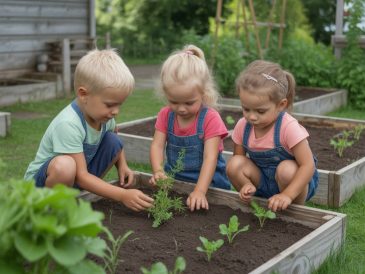
There’s something almost sacred about watching your little one peer under a cabbage leaf, searching for ladybirds, whispering secrets to wiggly worms, or planting seeds with hands still sticky from homemade jam. Our gardens are more than just green spaces—they’re living classrooms, pockets of peace, and canvases for family connection. But what happens when uninvited guests—those tiny, leaf-chomping ones—start nibbling away at our efforts? Must we reach for harsh chemicals to protect our patches?
Thankfully, nature has answers. Beautifully simple ones. Today, I want to walk you through gentle, effective, and organic pest control methods that honour our gardens and keep curious little hands safe. Whether you’re nurturing window box herbs or chasing sunflowers taller than your toddler, these eco-friendly solutions are kind to both the earth and your growing tribe.
Why Choose Organic Pest Control?
At home, my three-year-old daughter Mila insists we name every creature that skitters through our veg patch. Gary the grasshopper. Lottie the ladybird. Even Steve, the slug. There’s a quiet magic in respecting all life, even the tiniest, and it’s one of the reasons organic methods feel so deeply aligned with gentle parenting.
Chemical pesticides may act fast, but they often create imbalances—damaging helpful insects, contaminating soil and water, and potentially exposing our children to harmful residues. Organic pest control, on the other hand, promotes harmony. It’s about encouraging a more balanced ecosystem where beneficial bugs thrive and plants can defend themselves, naturally.
Invite Nature’s Helpers: Beneficial Insects in Your Garden
Nature has given us the perfect allies in the battle against pests: other bugs! These garden champions are tireless workers and safe companions for your children to marvel at.
- Ladybirds: Aphid assassins, these spotted delights feast on up to 50 aphids a day. You can encourage them by planting dill, fennel, or calendula.
- Lacewings: Their delicate wings might look fairy-like, but their larvae are fierce protectors against whiteflies, moth eggs, and other soft-bodied invaders.
- Hoverflies: Often mistaken for bees, their larvae love munching on aphids, and the adults are fabulous pollinators.
Consider creating an insect hotel with your children using twigs, hollow stems, and pinecones—a craft project that doubles as a biodiversity booster!
DIY Organic Sprays: Kitchen Cupboard Magic
When a few stubborn pests insist on pulling up a chair in your salad bed, a homemade spray can gently send them packing. These mixes use common household ingredients and are safe for curious noses and tiny fingers.
- Garlic-Chili Spray: Blend two cloves of garlic, a small hot chili, and a teaspoon of liquid soap with a litre of water. Let it sit overnight, then strain and spray. Ideal for brassicas and beans.
- Neem Oil Solution: Neem oil is a natural, plant-based pesticide beloved by organic gardeners. Mix 1 tsp of neem oil with a few drops of dish soap in a litre of warm water. Spray in the early morning or late evening, when bees won’t be about.
- Soap and Water Mist: A simple solution of gentle, fragrance-free liquid soap and water does wonders for soft-bodied pests like aphids and spider mites.
Spray gently and test a small leaf first—just like parenting, what works for one may irritate another!
Companion Planting: Friends for Life
Did you know some plants are natural protectors? Companion planting draws on the wisdom of ancient gardening, pairing crops that support each other like neighbours sharing tea and secrets over the fence.
- Marigolds: Their bright cheer repels aphids, nematodes, and even certain beetles. I like to tuck them at the ends of rows—a little sunshine in petal form.
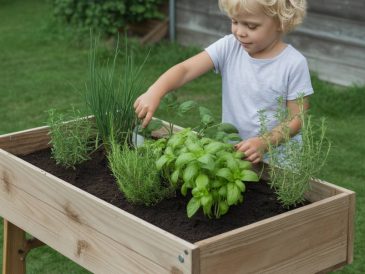
- Basil and Tomatoes: Not just perfect on a caprese salad, basil helps repel flies and improves the growth and flavour of ripening tomatoes.
- Garlic: Plant amongst roses to deter aphids, or near lettuce to battle slugs.
If you’re gardening with children, invite them to create a garden « friendship map » and pair up plants like characters in a story. Imagination and ecology, hand in hand.
Physical Barriers: A Gentle Shield
When I first spotted cabbage white caterpillars feasting on our kale, I’ll admit I felt… personally offended. But instead of reaching for repellents, we simply draped a fine mesh net over the bed, and voilà—problem (gently) solved.
Using physical barriers is one of the most effective and child-friendly methods of preventing pests without hurting them. Here are some options:
- Floating Row Covers: Lightweight fabrics allow sunlight and water through but keep aphids, flea beetles, and butterflies from laying eggs.
- Copper Tape: Ideal around planters or raised beds, copper creates a mild electrical charge that slugs and snails dislike.
- Eggshells or Coffee Grounds: A tactile deterrent to soft-bodied pests, and a great excuse to reuse your morning brew.
These methods also reduce the need for sprays entirely, making them great for very young children exploring the garden barefoot.
Encouraging Garden Biodiversity
Pests thrive where there’s imbalance. The more diverse your garden—plants, bugs, birds, and all—the more natural checks and balances you’ll have in place. A little wild is good. In fact, it’s essential.
Try adding a small pond to welcome frogs, who adore feasting on slugs. Leave a corner slightly untamed with native plants, attracting a wider variety of beneficial insects and birds. Let dandelions bloom a little longer in spring for pollinators waking from winter. If you’re lucky, you might spot a hedgehog scuttling through—delightful slug hunters in their own right!
Sometimes, the best defence is simply doing a little less… which, honestly, is music to a tired parent’s ears, isn’t it?
Regular Garden Walks: Observation and Early Intervention
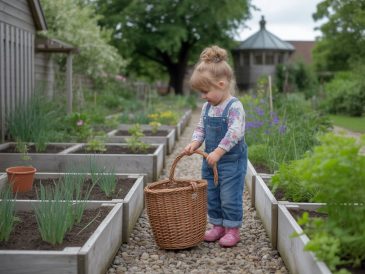
One of our favourite family rituals is a morning garden walk—pajamas tucked into boots, coffee in hand, children still yawning and reaching for raspberries straight off the bush. These quiet inspections often help us spot problems early: a skeletonised leaf, a cluster of white eggs under a courgette leaf, a wilting tip.
Start a little garden journal with your children—draw pictures of new bugs spotted, track the growth of seedlings, note when pests appear. It’s a beautiful way to teach mindfulness and nurture observation skills in even the littlest gardeners.
Early signs mean gentler fixes. You might simply squish a few aphids, snip a leaf, or relocate a caterpillar adventure somewhere more appropriate. Gentle, swift, and no drama.
Teaching Children the Balance of Nature
Our gardens are not meant to be perfect. And perhaps, neither are our lives. There is teaching—sacred, subtle teaching—in letting our little ones see that sometimes, leaves get holes. Sometimes, not every carrot comes up straight. But everything has a place, even the bugs that make us wince.
By showing our children that we respond to pests with intention, patience, and respect, we’re passing on more than just gardening techniques. We’re nurturing compassion, connection, and the confidence to walk gently in the world.
So next time your green beans host a few uninvited guests, pause before panicking. Invite your child to look closer. Hand them a magnifying glass, a watering can, and the knowledge that even the smallest hands can tend the earth gently and powerfully.
And isn’t that the most beautiful harvest of all?