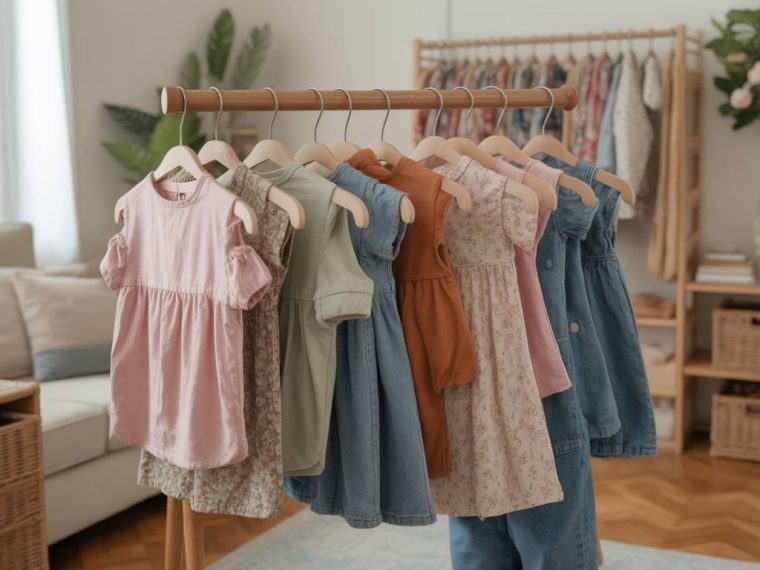
This morning, while folding a tiny pile of my daughter’s dungarees — an old pair passed down from her big cousin, marvellously patched on the knees and still holding tight — I felt that gentle tug on my heart. You might know it too — that comforting sense that something, even second-hand, can carry more than just fabric. It can carry stories.
Switching to second-hand clothing for the whole family isn’t just smart or “on-trend” — it’s an act of gentle rebellion, a whisper of resistance against fast fashion’s rushed rhythms. It’s kinder on the planet, easier on the wallet, and astonishingly joyful once you lean into it. But how do we make the switch feel less like a sacrifice and more like a celebration?
Why Choose Second-Hand for Your Family
I’ll be honest — I didn’t always buy pre-loved. The thought of combing through racks felt overwhelming with a baby on the hip and a toddler tugging at my jumper. But slowly, I realised that second-hand isn’t about settling. It’s about curating a life filled with intention and heart.
Here’s why this change is worth embracing:
- It’s Sustainable: The fashion industry is responsible for about 10% of global carbon emissions. Buying second-hand reduces demand for new production, saving water, energy, and textile waste.
- It’s Affordable: Kids grow fast, and let’s be honest — most toddler clothes barely see six months of wear. Pre-loved clothes often come at a fraction of the cost, allowing you to stretch your budget while still choosing quality.
- It Sparks Joy: Hunting for treasures becomes an adventure. The joy of stumbling upon a hand-knit cardigan or a retro dress that fits just right is oddly magical.
And just to squash a common myth: second-hand doesn’t mean second-best. We’ve found pristine baby grows made from organic cotton, hardly worn winter coats, and even designer gems — all tucked lovingly on the shelves of community charity shops or peer-to-peer apps.
Introducing Second-Hand to Your Children
Children, wonderfully unfiltered as they are, tend to reflect back the narratives we create. If we speak about preloved clothes with excitement, curiosity, and a sense of pride, they will likely echo that energy.
Some simple ways we’ve woven second-hand into our family conversations:
- Make it a shared experience: Turn thrift shopping into a bonding moment. My eldest loves choosing “special finds” for his little sister — it gives him a sense of involvement and generosity.
- Create a family storybook: We once found a dress with tiny ladybugs printed on it, and it became « the magic bug dress » in all our garden adventures. Let clothes be characters in your family’s stories.
- Celebrate clothes with history: “This coat belonged to your cousin! Imagine all the snowy walks she had in it.” Children love feeling connected — it makes hand-me-downs feel special, not lesser.
And if you’re met with initial resistance — perhaps a teen who suddenly has brand preferences — aim for balance. Blend a few second-hand items with something new, giving them the gentle freedom to explore while keeping your ethical roots grounded.
Where to Find Beautiful Second-Hand Clothes
One of the biggest misconceptions about preloved clothing is that it’s hard to find or that you have to search endlessly. Here are some of our family’s favourite sources — some local, others just a click away.
- Charity Shops: Don’t underestimate the treasures in your high street. The turnover in children’s clothing is rapid, and you’ll likely find barely-worn items arranged by size, all while supporting a good cause.
- Online Marketplaces: Apps like Vinted, Depop, and eBay are goldmines. You can search by brand, size, even condition — perfect for busy parents who need to shop during nap time.
- Community Swaps: I’ve fallen in love with ‘parent swap’ events — we bring a bag of clothes, leave with a bag of possibilities. It’s joyful, communal, and oh-so eco-friendly.
- Facebook Groups: Hyper-local parenting groups often have “buy nothing” days that are a gift to your wardrobe and the planet.
My secret tip? Build a little “future sizes” box. When you find a gem one size too big, tuck it away. It feels like sowing seeds for the seasons to come.
Making Second-Hand Feel Fresh
Now let’s talk about refreshing preloved finds. A good wash, a snip with the sewing scissors, or a quick iron can do wonders. Sometimes, we add heart-shaped patches to worn knees or let the kids choose buttons to give an old jumper new flair. These small upgrades become beautiful rituals.
For baby clothes, I like to soak them overnight in warm water with a dash of white vinegar and a few drops of lavender oil — gentle, natural, and soul-soothing. Sunshine is magic too: laying clothes out on the line not only dries them the eco way, it also fades out stubborn stains like nature’s invisible eraser.
Letting Go of Perfection
The idea of sustainable motherhood often comes wrapped in pressure — to be eco, minimal, intentional… all while juggling sleep schedules and spillages. Let me say this: embracing second-hand is not about being perfect. It’s about doing your best with heart.
There have been weeks when I’ve said yes to a high street sale out of sheer exhaustion. And that’s okay. The goal isn’t purity. It’s shifting the tide with soft, conscious steps where you can.
One silk blouse at a time, one dinosaur T-shirt joyfully rediscovered in a charity shop bin — these are the quiet revolutions of everyday parenting. They matter.
Second-Hand as a Lifestyle, Not Just a Trend
What started as a decision for baby clothes gradually wove itself into our way of living. I now pick up scarves to wrap gifts, buy vintage tablecloths for birthday parties, and wear a thrifted linen dress far more often than anything I ever bought new.
Eventually, second-hand becomes more than a choice — it becomes a rhythm. A slower, steadier way to live. A celebration of what already exists.
So perhaps the switch isn’t even a switch. It’s a return. To sharing. To storytelling. To clothes that don’t just cover us, but connect us.
Maybe that’s the most beautiful thing we can wear — a little thread of humanity stitched into every sleeve.