Redefining Plastic-Free: Why Less Can Be Enough
Ah, plastic. It’s everywhere. In our lunchboxes, in our toy baskets, even sneaking into the bath time routine like an uninvited guest. But as parents, the pressure to suddenly live a “zero-waste life” can feel like trying to fold a fitted sheet—overwhelming, and a little bit ridiculous. So instead of aiming for perfection (which, honestly, is overrated), let’s talk about small, beautiful, manageable steps toward reducing plastic in everyday family life—without feeling like you’ve taken on another full-time job.
Because here’s the truth: conscious change doesn’t bloom from guilt. It grows in light—small choices, repeated daily, that make our homes gentler and the planet just a little greener for our children’s tomorrows.
Start in the Heart of the Home: The Kitchen
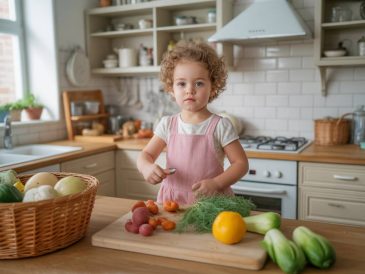
If your household is anything like mine, the kitchen is a wonderful chaos of snack-hunting, dinner debates, and the occasional pea mysteriously smushed under the table. It’s also where a surprising amount of single-use plastic hides. But with a few gentle swaps, you can dramatically reduce plastic without turning your daily routine upside down.
- Swap cling film for beeswax wraps: These charming fabric wraps not only look delightful in your fridge but also work wonders for keeping snacks fresh. Plus, they’re washable and compostable.
- Buy in bulk (when you can): Things like oats, rice, and pasta are easy to find in bulk stores—and let’s be honest, they’re staples for family meals anyway.
- Choose loose produce: Instead of plastic-wrapped apples, try shopping at your local farmer’s market where your little ones can pick their own fruits (a mini adventure with a delicious reward!).
- Say goodbye to plastic dish brushes: Wooden-handled brushes with natural fibre bristles work just as well and give your sink area a rustic charm.
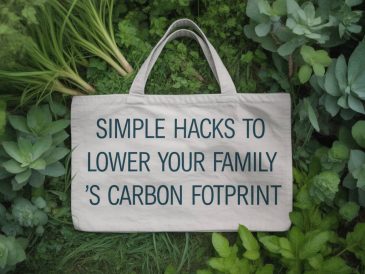
Tip: Involve your little ones during grocery shopping. Let them carry their own fabric bags and choose fruits. Not only does it instil eco-friendly habits early, but it also turns errands into tiny educational rituals.
The Playroom Puzzle: Tackling Plastic in Toys
If there were ever a place where plastic reigns, it’s in the depths of the toy box. And yet, asking a child to give up their beloved dinosaur or talking plush is… let’s say, a test in diplomacy. But reducing plastic in the playroom doesn’t have to mean stripping the magic from play. On the contrary, it might actually enhance it.
- Quality over quantity: Wooden toys, cloth dolls, and handmade items often outlive and outshine their plastic counterparts. They’re sturdier, open-ended, and strangely enough, smell better too.
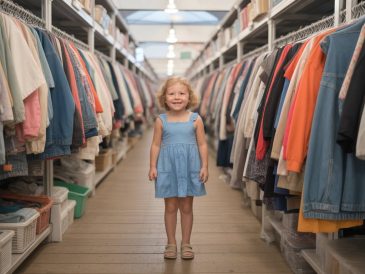
- Pre-loved is perfectly loved: Toy swaps with friends or visiting charity shops can be treasure hunts for your kids—and kind on your wallet.
- Crafting as a toy strategy: A cardboard box can become a pirate ship. Egg cartons transform into dragons. Keep a small ‘junk modelling’ basket of toilet rolls, cereal boxes and scraps—and let creativity lead.
Remember, play isn’t about the toy, but about the story it tells. Sometimes the simplest, most eco-friendly items give birth to the grandest adventures.
On the Go: Lunchboxes, Outings, and Plastic-Free Picnics
Between playdates, school runs, and nature walks, family life often feels like a moving circus. But even on the go, you can keep plastic at bay with a little prep and a lot of grace for the imperfect days.
- Opt for stainless steel lunchboxes: These hardy companions are built to last, and they look rather chic in a picnic basket!
- Reusable silicone snack bags: A perfect partner for those bottom-of-the-bag rice cakes or trail mix adventures.
- Say bye to bottled water: A family of refillable water bottles saves hundreds of plastic bottles a year (and avoids mix-ups if you add a sticker or coloured band per child!)
Outdoors is a perfect classroom for gentle teaching. Let your little ones see you pick up stray plastic on the trail. Talk about the birds and bees—not just with wonder, but with responsibility. It’s amazing how quickly they become tiny Earth guardians when given the chance.
In the Bathroom: A Gentle Transition
The bathroom is often overlooked in the plastic-reducing journey, but it’s teeming with opportunity. With a few subtle swaps, this self-care haven can become a little greener—and no less comforting.
- Bars over bottles: Shampoo and soap bars are now so lovely (and non-drying) that washing hair feels like a spa day.
- Bamboo toothbrushes: A small but impactful switch that feels wonderfully natural in hand.
- Reusable wipes for little bottoms: Soft, washable cloths not only cut waste, but they’re also gentle on the most delicate skin.
Change doesn’t need a megaphone. In our home, we simply kept a little basket beside the sink with toothpaste tablets and cloth wipes. At first, curious fingers poked around. Now, my daughters remind me when we’re running low. Children absorb more than words—they imitate with their hearts.
Celebrating Imperfection: The Secret Ingredient
Here’s something I wish every parent heard from day one: perfection is not the goal—it’s the hurdle. Making planet-friendly choices doesn’t mean you need to toss out all your plastic toys overnight or avoid every soft-wrapped snack. It means noticing, adjusting, and celebrating those little victories along the way.
Maybe you remembered your tote bags three times this week. Maybe you signed up for a local food co-op. Maybe you just had the energy to say, “not today,” to the brightly packaged plastic toy at the checkout. That matters. You matter.
And when guilt creeps in (as it always does), picture this: your child sees you trying. With humour, with patience, with the kind of authenticity that radiates far beyond plastic. That image sticks.
Model, Don’t Mandate: Letting Kids Lead
One of the gentlest gifts we can offer our children is the chance to be part of something bigger. Not by lecturing, but by inviting. Give them agency in small ways—picking eco-friendly bath sponges, helping fill the compost bin, watering their own herbs in mason jars. Let them see that caring for the Earth is not a burden, but a joy woven through their daily rhythms.
At bedtime, my eldest recently asked, “Do you think the bees are happy with us, Mum?” My answer was tender and true: “I think they see that we’re trying.” And somehow, that was enough—for both of us.
Gentle Steps with a Lasting Echo
Reducing plastic in family life isn’t a sprint. It’s a soft, evolving journey. Sometimes it’s big (like switching to a cloth nappy system) and sometimes it’s tiny (like saying no to a straw at the café). Both matter, because both speak of intention.
So, if this week you choose the bulk bin instead of the plastic pack, or patch up a toy instead of buying new—celebrate it. Set the kettle to boil, pour yourself something warm and slow, and know you’re doing your part. Not perfectly. But thoughtfully. And always, always with love.
Because in the end, creating a more sustainable world isn’t about using zero plastic. It’s about raising little humans who believe their small choices can shape something beautiful. And that, my dear friend, starts at home—right where you are.