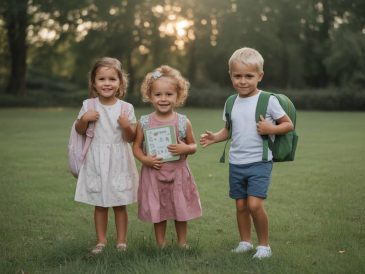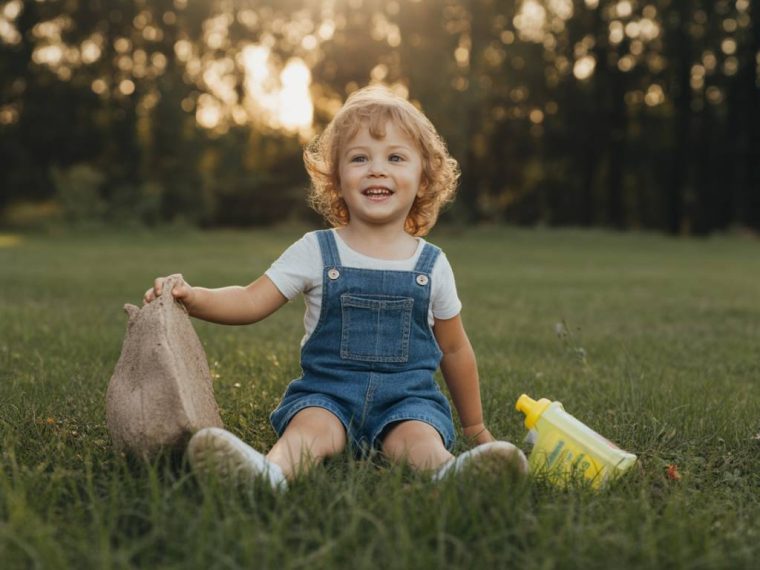
There’s something achingly tender about watching little hands plant a seed, water it with careful precision, and then wait — eyes wide with hope — for the first green sprout to peek through. It’s in moments like these that we realise raising environmentally conscious children isn’t about mastering a manual, but about cultivating a mindset. One that sees beauty in the soil, feels empathy for the buzzing bee, and understands that every small action ripples outward.
As parents, we don’t need to have all the answers (though wouldn’t that be lovely?) — what we truly need is the willingness to live our values out loud, even if imperfectly. Because, at the end of the day, our children absorb more from what we do than what we say. So how do we raise eco-aware little humans in a world that sometimes feels anything but gentle towards nature?
Make Nature a Familiar Friend
We protect what we love. And to love nature, our children need to know it. Not from behind a screen, but in muddy wellies, sun-kissed cheeks, and pockets full of acorns. Whether it’s a Sunday afternoon forest stroll, a rainy bug hunt in the back garden, or simply lying on the grass naming cloud shapes — let nature become part of your family’s rhythm.
Even in urban spaces, green can be found. A window box of herbs, trips to the local park, feeding ducks by the river — they all count. These moments of connection sow the seeds of care, and care is the cornerstone of environmental awareness.
Lead by (Imperfect) Example
Children are wonderful observers — they notice when we turn off the tap while brushing our teeth, or when we choose to walk instead of drive. They also notice when we forget. And that’s okay too.
Being transparent with our own eco-efforts (and hiccups) teaches them that doing our best is better than striving for some unattainable green perfection. Share with them why you choose cloth over plastic, or why you reuse jars instead of buying new containers. Let them see you make swaps and mistakes with equal grace.
And don’t underestimate their capacity to keep you on your toes — one “Mummy, is that wrapping paper recyclable?” and you’ll find yourself second-guessing every festive choice!
Create Eco-Rituals
Just as we have bedtime stories and Sunday pancakes, embedding environmentally-friendly rituals in family life can make sustainability second nature. These don’t have to be grand gestures — often, it’s the quiet consistencies that shape our children’s worldviews.
- Composting scraps: Let them tip the bowl into the garden bin or help turn the compost heap.
- Litter-picking walks: Arm yourselves with gloves and a bucket, and clean up your street or local green space.
- “Fix it before you ditch it” afternoons: Repairing toys or clothes together builds both eco-mindedness and problem-solving skills.
- Rewild your mornings: Open a window, listen to birdsong. Let nature be part of your daily soundtrack.
Empower Their Choices
Children love to be helpers — they beam with pride when they feel capable. Offer small, meaningful ways for them to participate in eco-living. Perhaps they sort the recycling, choose which peas to plant this season, or pick the cloth bag when shopping.
Giving them ownership fosters a sense of responsibility. You could even offer them their own little “eco mission” each week — like designing a cardboard toy, choosing a no-waste snack for school, or remembering to turn off the lights when leaving a room.
Keep Conversations Age-Appropriate — and Hopeful
Our little ones don’t need to carry the weight of melting glaciers or dying coral reefs on their tender shoulders. Yes, honesty matters — but so does hope. Discussions about the planet should inspire, not overwhelm. Lead with stories of change and action: people planting trees, animals rescued thanks to conservation, communities choosing clean energy.
If questions arise — “Why can’t we throw everything in the same bin?” or “Why do some fish get sick from plastic?” — answer them with gentle truth, then pivot towards how we can help. Show them that even young hands can make a difference.
Cultivate Wonder Through Books and Stories
Nothing stirs a child’s environmental heart quite like a good story. Whether it’s a picture book about a lonely whale seeking friends, a charming tale about a talking forest, or a science-based chapter book with plucky kid activists — stories build empathy. They give our children narratives they can step into, where nature is a character worthy of love and respect.
Some family favourites in our home:
- “The Lorax” by Dr. Seuss — a timeless classic about speaking up for the trees.
- “Somebody Swallowed Stanley” by Sarah Roberts — teaching about ocean pollution with tenderness and a touch of whimsy.
- “The Last Tree” by Emily Haworth-Booth — a quiet yet powerful reflection on choices and consequences.
Celebrate Progress with Praise, Not Pressure
It’s tempting to go full steam ahead: no plastic, zero waste, grow everything, compost it all! But eco-overload can backfire, especially for little ones who thrive on joy, not stress.
Instead, recognise and celebrate small wins. “I love how you remembered to use your reusable bottle today,” or “Wow, you packed your snack without any wrappers!” These affirmations build confidence and internal motivation.
And when things aren’t perfect — when they beg for a plastic-wrapped treat or don’t want to compost their banana peel — take a deep breath and meet it with curiosity, not criticism. Guilt doesn’t grow kindness, but understanding does.
Connect to Community
Eco-education doesn’t need to happen in isolation. Being part of a wider green-minded community helps children see they’re not alone in their efforts. Join a community garden, participate in a local beach clean, or attend a sustainable living fair as a family.
These shared experiences expand their view of what action looks like and foster friendships rooted in common values. Plus, it adds a dose of fun — because saving the planet can (and should) be joyful too.
Welcome Curiosity with Open Arms
Children are bursting with questions — Why is the sky blue? Can worms talk? What happens to the water after it goes down the drain? Instead of shrugging off these endless enquiries, lean into them. Look up answers together. Watch a nature documentary as a family. Visit a recycling centre or wildlife sanctuary.
Let environmental learning be a co-adventure rather than a classroom. When curiosity is nurtured, it becomes a lifelong compass, guiding them toward solutions we haven’t yet imagined.
Start Where You Are, Use What You Have
Most importantly, don’t feel you need to overhaul your entire life overnight. Raising environmentally conscious children is about consistent, meaningful steps — not perfection. If your child’s new coat isn’t organic but gets passed down twice over, that’s still sustainability in action. If plastic sneaks into birthday party favours, let it go with grace and tweak it next year.
Your love, your intention, and your everyday choices speak volumes. Whether it’s planting flower seeds in leftover yoghurt pots or gently reminding your kiddos to switch off the tap, each small act weaves into a bigger story — one where children grow up not only believing they can care for the Earth, but knowing they already are.
And maybe, just maybe, one morning years from now, you’ll spot your grown child rinsing out a jam jar for reuse or walking briskly to the market with a canvas bag in hand… and your heart will whisper, “We planted that seed.”