
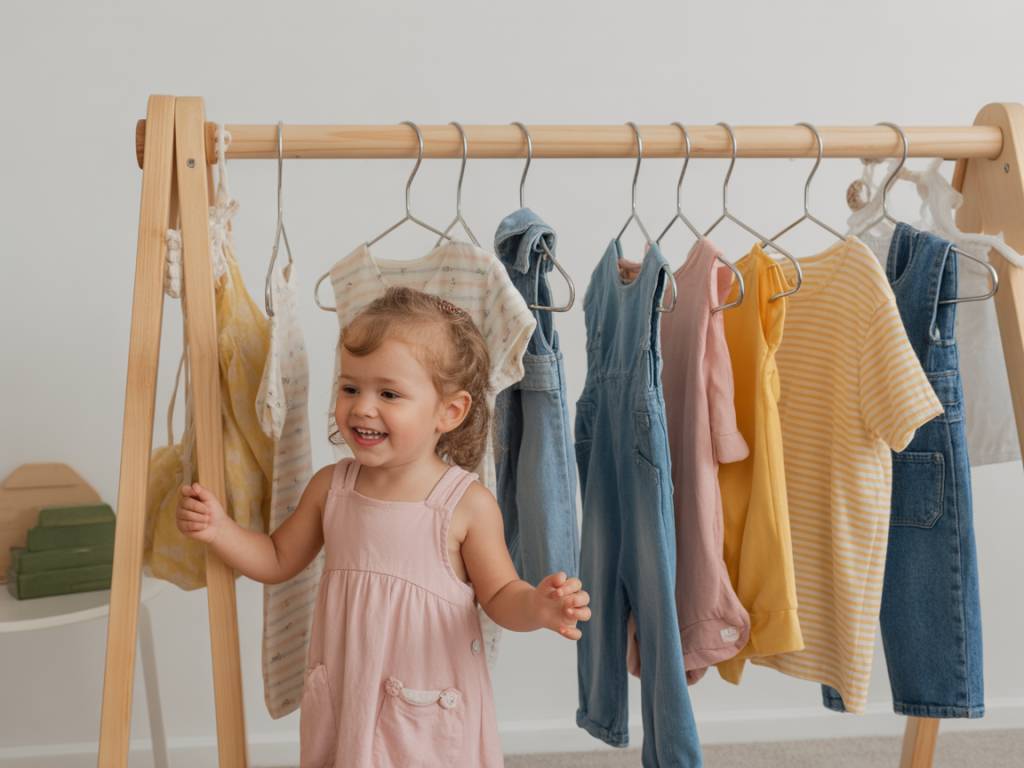
A family clothes swap can be one of the most rewarding ways to refresh wardrobes, reduce waste, and teach children that clothing can have more than one life. Done well, it is not just a practical clean-out; it becomes an event kids look forward to, a chance to reconnect with friends and neighbours, and a simple way to make more sustainable choices as a household. The best part is that a children’s clothes swap does not need to feel formal or complicated. With a little planning, you can create an afternoon that feels fun, social, and surprisingly stylish.
Why a family clothes swap works so well
Children outgrow clothing at an astonishing rate, often before items have been worn enough to show meaningful signs of use. That makes kids’ wardrobes especially well suited to swapping. One family’s too-small leggings, coats, or school uniforms can become another family’s perfect next-size essentials. Instead of letting barely worn items sit in storage or go to landfill, a swap keeps them in circulation and gives them a second chance to be loved.
For families, a clothes swap also helps reduce the pressure of constantly buying new items. Parents can save money, children can discover “new-to-them” clothes with a sense of excitement, and everyone gets a practical reminder that sustainability can be enjoyable rather than restrictive.
There is another benefit that matters just as much: children learn values by doing. When they take part in a swap, they see that sharing, reusing, and choosing carefully are normal parts of everyday family life. That lesson often stays with them longer than any one item of clothing.
Choose a simple format that suits your guests
The easiest swaps are the ones with clear rules and a friendly setup. You do not need a perfect system. You do need a format that feels fair and easy to understand. Start by deciding who the swap is for. Will it be limited to close friends, school families, neighbours, or a larger community group? A smaller group is simpler for a first attempt, while a bigger swap can offer more variety if you have the space and volunteers to manage it.
Decide whether you want the event to be:
If this is your first time organising a swap, keep the rules as simple as possible. A clear format reduces stress and makes participation easier for busy parents.
Set gentle standards for clothing quality
One of the most important parts of a successful swap is making sure people feel confident about what they are bringing home. Children are more likely to love the experience if the clothes are clean, wearable, and appealing. Before the event, share a short list of standards so everyone knows what is suitable.
Good items usually include clothes that are:
You can also kindly ask guests not to bring items that are heavily worn, missing buttons, or unsuitable for passing on. If your group includes younger children, you may want to exclude delicate fabrics or impractical pieces that are more likely to be admired than actually worn.
Make the event feel fun for kids
The reason many family swaps succeed or fail is simple: kids need to feel excited, not dragged along. If children think of the event as a chore, they are less likely to engage. If they see it as a treasure hunt, fashion party, or creative afternoon, they will be far more enthusiastic.
Try adding a few playful elements. A mirror corner can give children a chance to try on outfits and show off their finds. A small “style station” with hair accessories, hats, or belts can help them imagine different looks. If you have the space, a simple runway walk or photo booth can turn trying on clothes into a memorable activity.
You can also involve children in sorting the clothes by colour, size, or category. Younger children often enjoy helping with labels or arranging items on tables. Older children may like acting as “style assistants” for younger siblings or guests. When children have a role, they feel ownership over the event.
Organise the clothes in a way that is easy to browse
A well-organised layout can transform a pile of donated clothing into an inviting shopping experience. Parents are more likely to stay longer and children are more likely to find something they love if the setup feels tidy and intuitive. Use tables, rails, baskets, or even labelled floor sections to create a system that is easy to navigate.
Group items by size first, then by category. For example, you might create sections for coats, trousers, dresses, tops, sleepwear, school clothes, and accessories. If the swap is for a wide age range, separate baby clothing from school-age clothing so visitors do not have to sort through everything at once.
Clear labels are essential. You do not need anything fancy; simple handwritten signs work well. If possible, mark sizes in both age and clothing size, since parents often shop using whichever system they know best.
If you want to keep the browsing calm and orderly, consider setting out a maximum number of items each person can take at one time, or giving everyone a basket for collecting their choices. That helps children slow down and choose thoughtfully rather than grabbing everything in sight.
Keep the setup eco-friendly without making it complicated
A sustainable family clothes swap should reflect the values it promotes, but that does not mean it must be elaborate. Small decisions can make a meaningful difference. Use what you already have before buying anything new. Borrow tables, clothes rails, laundry baskets, crates, hangers, or mirrors from friends or neighbours if needed.
Reduce waste by avoiding disposable decorations and single-use packaging. If you want the space to feel festive, use fabric bunting, potted plants, chalkboard signs, or reusable decorations from home. Encourage guests to bring their own tote bags or laundry bags for taking clothes away.
It is also worth thinking about leftovers in advance. Items that are not claimed can be donated to a local charity shop, community centre, shelter, or textile recycling point. Having a plan for surplus clothing keeps the event from creating a new problem after solving an old one.
Consider what families actually need
The best swaps are shaped by real life, not just by what looks nice on a rack. Families often need practical items far more than special occasion outfits. Think about what your guests are most likely to appreciate: jeans, warm layers, raincoats, school trousers, pyjamas, sportswear, and outerwear are often the first things to disappear from children’s wardrobes.
If your group includes babies or toddlers, essentials such as sleepsuits, socks, bibs, and seasonal layers tend to be especially popular. For older children, look out for school uniform pieces, plain tops, hoodies, and sturdy shoes if your group decides to include them.
You might even ask attendees ahead of time what they are hoping to find. That gives you a better sense of demand and can help you promote the event more effectively. A swap feels more satisfying when people leave with something genuinely useful.
Make it easy for people to contribute
Many parents want to take part in a clothes swap, but they need reminders and a little guidance. A clear invitation can help them prepare without feeling overwhelmed. Explain what to bring, how much to bring, and when to drop items off if you are collecting in advance.
To make participation as simple as possible, you could suggest that each household brings:
If you are collecting items before the event, sort them as they arrive so you are not buried under a mountain of clothes on the day itself. A pre-swap check also gives you a chance to remove anything unsuitable and create a more polished setup.
Make the swapping process feel fair
One common concern is whether some families will take much more than they bring. There are several ways to keep things balanced without making the atmosphere rigid. Some swaps use a simple token system, where each item donated earns a token that can be exchanged for another item. Others prefer a free-for-all with a polite understanding that families should take only what they need.
The right approach depends on your group. Token systems can feel fairer in larger events, while smaller community swaps often work well with trust and goodwill. If you want to keep the event relaxed, you can also remind guests that the purpose is to circulate good clothing, not to “win” the best haul.
Whatever method you choose, make sure children understand the idea that everyone should have a chance to find something. Framing the event as shared generosity helps prevent squabbles and keeps the atmosphere warm.
Add a few thoughtful extras
A great clothes swap does more than exchange clothing. It creates a memory. Small touches can make the afternoon feel special without adding much work. You could offer a snack table with simple, reusable plates and cups, or set up a craft corner where children can decorate paper shopping bags, make clothing labels, or design their own swap badges.
If the event is seasonal, you might theme the refreshments or music to match. For an autumn swap, think cosy and warm. For a spring swap, light and cheerful details can help create the right atmosphere. You do not need to spend much; the goal is to make children feel that this is an occasion worth enjoying.
You could also include a “best-dressed find” photo moment, where children model their favourite swapped outfit. This helps them connect the idea of second-hand clothing with pride and creativity rather than just practicality.
Turn it into an ongoing family habit
If your first swap goes well, it may be worth making it a regular event. Seasonal swaps work particularly well because children’s clothing needs change so quickly. A twice-yearly gathering before summer and before winter can become a helpful rhythm for families in your community.
You might also create a small neighbourhood clothes exchange group for ongoing sharing between events. Parents can post when their children outgrow items, and others can claim what they need. This extends the life of clothing and strengthens the sense of community between in-person swaps.
Over time, children begin to recognise that newness is not the only thing that makes clothing valuable. A jumper with a previous story can be just as exciting as one bought new, especially when it fits well, looks good, and carries the memory of a fun day spent with family and friends.
A sustainable family clothes swap works best when it combines practicality with joy. Keep the rules clear, the setup welcoming, and the experience playful, and you will create something more meaningful than a wardrobe refresh. You will be giving clothes a second life, helping families save money, and showing children that sustainability can be social, stylish, and genuinely fun.