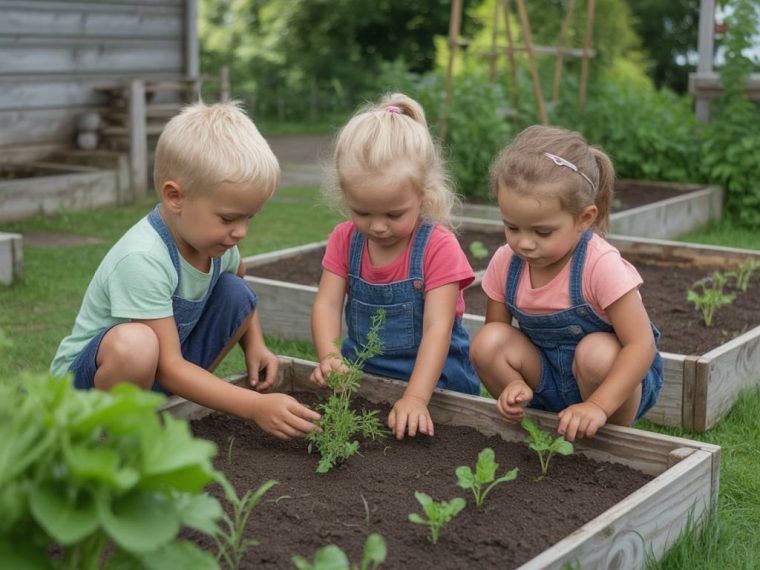
Planting Seeds of Connection: Welcoming Our Children into the World of Permaculture
There’s a quiet kind of magic that happens when little fingers hug damp soil—the tender awe of planting a seed and whispering to it as though it were a dear friend. In our home, the garden is not just a patch of green; it’s our open-air classroom, our sanctuary, our playroom, and sometimes our therapy couch. And this is where permaculture comes in: more than a gardening technique, it’s a gentle philosophy rooted in observing, respecting, and working with nature’s rhythms.
Introducing your little ones to permaculture gardening isn’t about turning them into mini farmers overnight. It’s about awakening a lifelong love of the earth, sparking their curiosity, and nurturing their sense of responsibility in the most joyful, muddy-knees kind of way.
What Is Permaculture, in Kid-Friendly Terms?
Imagine a world where every plant, animal, and person play a part in a big, beautiful ballet—each movement intentional, each relationship meaningful. That’s the heart of permaculture. It’s about mimicking natural systems so our gardens (and lives) can be more sustainable, less wasteful, and kinder to the planet.
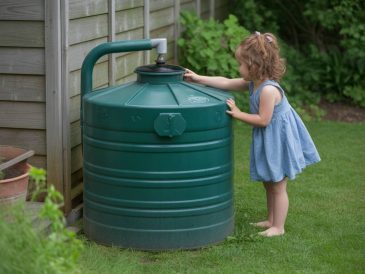
For children, this might look like learning that worms are garden superheroes, or that collecting rainwater is something even fairies might do to care for their tiny forests. Permaculture introduces kids to the idea that everything is connected—soil, plants, animals, weather, and yes, even us humans with our messy breakfast rushes and bedtime stargazing.
Start Small (Even on a Balcony)
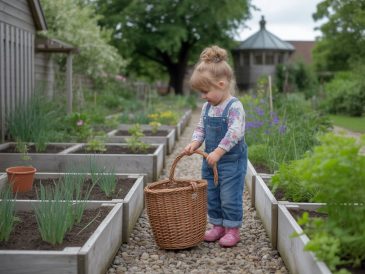
You don’t need rolling fields or a rustic homestead to begin. A handful of pots on a balcony, a corner of the backyard, or even a recycled yoghurt tub on a windowsill can become your child’s first “plot.” The key is ownership: let them be the steward of their mini patch.
In our family, my daughter chose to plant sunflowers because she was convinced they would grow tall enough to wave at the moon. We documented every sprout, every grubby-fingered watering session, and even created silly songs to help us remember which leaves liked shade and which craved sunlight. That’s the secret ingredient, really—joyful participation over perfect outcomes.
Make It Playful, Not Perfect
Permaculture can be a treasure hunt in disguise. Create little challenges like:
- Finding “garden friends”: bugs, worms, bees, and birds.
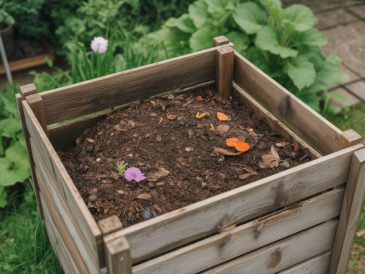
- Building a compost monster that “eats” food scraps.
- Designing rain traps from upcycled bottles or mugs.
- Making plant markers with painted rocks or popsicle sticks.
Children learn deeply through story and play, through mud pies and make-believe. So instead of explaining nitrogen levels or soil pH, invite them to become garden detectives. Ask: “Who do you think lives under this leaf?” or “What do you think this seed wants to be when it grows up?” Their answers may not be textbook—one of mine was convinced peas turn into caterpillars—but they carry wonder, and that’s what sticks.
Teach by Observing, Together
Observation is a cornerstone of permaculture. Encourage your child to slow down and notice: Are the leaves drooping? Do bees visit at a certain time each day? Where does the sun fall in the morning versus the afternoon?
You can keep a shared garden journal, filled with messy sketches, leaf rubbings, and curious questions. Some days the entries might be nothing more than, “Saw three ants hauling a crumb like it was treasure,” but over time, this cultivates an awareness of the interconnectedness around them.
Introduce Easy-to-Grow, Child-Friendly Plants
Not every plant is patient with curious hands or sudden outbursts of watering. Start with forgiving, fast-growing varieties that offer visual rewards and little edible surprises. Here are a few options kids typically love:
- Peas and beans: Quick to sprout, easy to train up little trellises, and fun to munch straight from the pod.
- Sunflowers: Tall, majestic, and full of bird-friendly seeds.
- Calendula: Bright flowers that double as gentle medicinal petals for salves and tea—plus, they’re bee magnets.
- Mint: Hardy, invasive (in a good way for beginners), and perfect for taste-testing.
Let this be a sensory feast. Encourage them to touch the fuzzy leaves of lamb’s ear, sniff lavender, or taste a sprig of lemon balm. The garden is nature’s toy box, and every plant has a story if we choose to listen.
Create Habitats and Invite Wildlife
One of the delights of practicing permaculture is creating little ecosystems—snug homes for insects, worms, frogs, and birds. And for children who love building and crafting, this offers the perfect intersection of engineering and environmentalism.
Try these simple habitat projects:
- Stack branches and logs to make a cozy « bug hotel. »
- Use old teacups or jars to create bee watering stations.
- Fill a shaded corner with stones and leaves as a refuge for frogs.
- Hang a homemade birdfeeder using peanut butter, seeds, and a loo roll tube.
Not only does this bolster biodiversity, it helps little ones see that their actions invite life—they become caretakers of tiny worlds.
Invite Questions (and Take Detours)
Be ready for the “whys.” Why do worms come out when it rains? Why can’t we water plants at night? Why do slugs slimy-slide up our kale?
You might not always have the answers, and that’s okay. Permaculture, at its heart, celebrates learning with nature, not mastering it. Look things up together. Let the journey spiral outward—maybe a question about bugs turns into a drawing project, a dance, or a pretend game of “rescue the pollinators.” Every tangent is a path toward deeper engagement.
Let Them Lead
There may come a day when they want to grow nothing but strawberries or decide that their compost smells “like a dragon’s bottom” (direct quote from our household). Let them steer. Their interests, whims, and discoveries will often teach them more than any structured lesson plan.
You might gently tie their passions back to permaculture principles, like care for the earth, care for people, and returning surplus. They may not grasp those ideas in full today, but the feeling of tending to something living stays with them.
Celebrate the Harvest, No Matter How Small
Whether your garden yields a bumper crop of courgettes or just gives you one proud, slightly mysterious radish, make it a celebration. Have a garden picnic. Make pizza with their homegrown herbs. Press petals into a thank-you card for the bees. Children thrive when their efforts are seen and cherished—even the wilted sprigs and uneven carrots.
And when losses come—and they will, in the form of slugs, hailstorms, or forgetful watering—acknowledge that, too. These are gentle lessons in resilience and humility, and each season brings a new chance to begin again.
Why It Matters
In a world of instant gratification and digital immersion, teaching our children to care for plants, to wait patiently for life to unfurl from the soil, is a quiet act of rebellion. It grounds them, quite literally. It shows them they belong to something larger—a dance of sun, water, bees, and breath.
Permaculture isn’t just about gardening; it’s about hope. It’s about growing something good—even when unsure, even while juggling laundry and snack time—and letting it root, in soil and soul alike.
So hand them that trowel. Kneel down beside them. Ask, “Shall we see what magic we can grow today?” Chances are, they’ll surprise you—not just with what blooms in the garden, but with what begins blooming in their hearts.