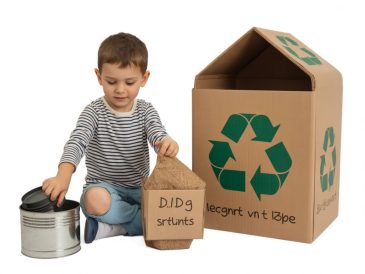
Most families don’t need a perfectly “zero-waste” morning. They need a calmer one: fewer frantic searches for missing shoes, less garbage in the bin, and a routine that’s sustainable for actual humans, not just minimalist influencers. A low-waste family morning routine is about reducing what you throw away and what drains your energy.
Instead of overhauling everything at once, the goal is to design a routine that fits your reality—kids’ ages, school schedules, work obligations—and gently nudges everyone toward less waste and more intention.
Start with the Trash Can: What Are You Actually Throwing Away?
Before buying any “eco” gear, look at your current morning waste. Your bin is your best data source.
Over two or three mornings, pause before you take out the trash and notice what’s inside. You’ll probably see patterns:
- Single-use food packaging (yogurt pots, granola bar wrappers, juice boxes)
- Disposable coffee cups or pods
- Paper towels and napkins
- Cosmetic and bathroom waste (cotton pads, makeup wipes, floss picks)
- Random “panic clutter” (printouts, broken toys, packaging from last-minute purchases)
Take two minutes to write these down. This gives you a clear picture of where small, realistic changes could cut waste without adding 30 minutes to your morning.
Design the Night Before: The Real Secret to Low-Waste Mornings
Most of the morning chaos—and waste—comes from decisions made while everyone’s half-awake and rushing. Shifting a few tasks to the previous evening reduces both stress and disposables.
Consider preparing these the night before:
- Clothes for everyone – Choose outfits, including socks and underwear, and put them in a visible spot. Fewer last-minute changes means fewer “emergency” purchases and less forgotten PE gear.
- School bags and work bags – Pack homework, forms, laptops, reusable bottles, and snacks so you’re not grabbing single-use items on the way out.
- Breakfast basics – Prep overnight oats, pre-portion granola into jars, or wash fruit. Even setting bowls, spoons, and a French press or kettle on the counter makes the morning flow better.
- Check the calendar – A two-minute review helps avoid forgotten theme days, sports, or early drop-offs that can lead to wasteful, rushed purchases.
Low-waste doesn’t mean “do everything yourself from scratch.” It means a few intentional systems so you rely less on disposable, grab-and-go fixes.
Rethink Breakfast: Lower Waste, Not Higher Stress
Breakfast is one of the biggest sources of morning packaging. The trick is to swap high-waste habits for options that are just as quick, but more reusable and flexible.
Some practical, low-waste breakfast strategies:
- Switch from single-serve yogurts to large tubs – Scoop into bowls or small reusable containers. Add toppings (fruit, granola, nuts) you buy in bulk or in larger packages.
- Keep a “default breakfast” list – Three or four easy options everyone likes (e.g., toast + peanut butter, yogurt + fruit, overnight oats, scrambled eggs). Simplicity reduces food waste from uneaten “experiments.”
- Move away from one-time-use drinks – Replace juice boxes or mini cartons with a large jug of juice, water, or homemade smoothies poured into reusable cups or bottles.
- Use real dishes – If your mornings include disposable plates or cutlery, try switching to a set of durable everyday dishes. If you’re tight on time, choose dishwasher-safe items and run a short cycle in the evening.
- Plan for “emergency” mornings – Keep a stash of low-waste, grab-and-go backups: bananas, apples, homemade muffins frozen in bulk, or bulk trail mix in jars near the door.
If it feels overwhelming, just change one thing—like swapping single-serve yogurt for a larger tub or ditching disposable cups. The goal is consistency, not perfection.
Make Coffee and Tea More Sustainable (and Still Fast)
For many parents, the morning doesn’t truly start until the first sip of caffeine. That ritual can be just as comforting with less waste.
- Replace pods and disposable filters – If you use coffee pods, consider a French press, moka pot, manual pour-over with a reusable metal filter, or a pod machine with refillable capsules.
- Use a travel mug as your main mug – If you tend to grab coffee on the go, drink your home brew from a good insulated travel cup. It keeps drinks hot and makes it easy to refill at cafés that accept reusables.
- Buy beans or loose tea in bulk – Many grocery stores or specialty shops offer beans and loose-leaf tea in larger or refillable containers. Store in airtight containers at home.
- Compost coffee grounds and tea leaves – If you have access to composting, coffee grounds and loose tea are excellent additions. Check that your tea bags are plastic-free if you compost them.
If investing in a new coffee system, look for durable, simple mechanisms (fewer breakable parts, fewer proprietary pieces) and materials like stainless steel or glass.
Streamline Bathroom Routines with Reusables
The bathroom can quietly generate a surprising amount of morning waste: wipes, cotton pads, mini bottles, disposable razors. Small shifts here add up over years.
Ideas that work even with kids and tight schedules:
- Swap single-use wipes for washable cloths – Soft washcloths or reusable facial rounds can replace makeup wipes, sticky face cleanups, or spilled toothpaste emergencies.
- Use bar soap and solid products – Bar soap, shampoo bars, or conditioner bars often come in minimal or plastic-free packaging and last a long time. They’re also great for kids who tend to squeeze too much liquid soap.
- Refill instead of rebuy – If bars don’t work for your family, consider refillable options for soap, shampoo, and lotion through bulk stores or refill programs.
- Upgrade from disposable to long-lasting tools – Razors with replaceable blades, quality hairbrushes, and durable toothbrushes with replaceable heads can all cut plastic over time.
Set up a simple system for used cloths (like a small laundry basket or wet bag in the bathroom) so reusables don’t create more mess.
Low-Waste Lunches and Snacks Without Extra Work
Many families burn out on low-waste changes because lunches feel like an extra job. The key is to standardize a few packing routines and choose containers that do most of the work for you.
Useful approaches:
- Choose a “lunch kit” for each family member – A sturdy lunchbox, a couple of reusable containers or bento-style boxes, a small cloth napkin, and a refillable bottle. Keep everything together in one drawer or bin.
- Buy fewer individually wrapped snacks – Whenever possible, buy larger packs or bulk snacks and portion them into small containers the night before.
- Repeat favorites – Kids often like familiar food. Let them pick two or three go-to lunches that rotate through the week. Less variety can mean less waste.
- Keep a “packing station” stocked – Group lunch items (containers, napkins, cutlery, water bottles) in one spot. Visual order helps everyone remember reusables and reduces morning scrambling.
If your child tends to lose containers, choose mid-range, durable items instead of the most expensive ones until they master keeping track of them.
Set Up “Low-Waste Zones” by the Door
Most last-minute waste happens in the final five minutes before leaving the house. This is when parents grab disposable masks, plastic bags, bottled drinks, or extra snacks.
To avoid that, create a small “launch zone” near the door you use most often:
- Hooks or baskets for reusable bags – Keep shopping bags, library bags, and sports bags ready to grab.
- A tray or shelf for bottles and travel mugs – Make it easy to remember to fill them before leaving.
- A small snack basket – Filled with low-waste options (fruit, bulk nuts in jars, homemade snacks) so you’re not buying packaged snacks in a rush.
- A checklist at kid-height – Picture or word list: “Bottle, snack, homework, lunch, jacket.” Helping kids self-check reduces both stress and waste.
When every item has a visible “home,” your family is far more likely to use reusables consistently.
Involve the Kids (Without Turning It into a Lecture)
A low-waste morning routine works best when it’s not just the parents pushing it. Kids can be surprisingly enthusiastic when they feel ownership.
Ways to include them:
- Give them choices within limits – “Do you want the green or blue bottle today?” “Which fruit should we cut for breakfast?”
- Let each child have “their” gear – Personal lunchboxes, napkins, or mugs can make reusables feel special rather than like chores.
- Explain the “why” simply – Frame it as caring for places they love: parks, oceans, animals. Keep it concrete and age-appropriate.
- Celebrate small wins – Point out: “We didn’t use any disposable cups this week,” or, “You remembered your bottle every day.”
The goal isn’t to raise perfect eco-citizens overnight but to normalize thoughtful, low-waste habits as just “how our family does mornings.”
Choose Products That Fit Your Reality, Not Your Ideals
The market is full of “sustainable” products, but not all of them are helpful for your specific family life. Before buying anything new, ask:
- Will this replace something disposable we actually use?
- Is it easy to clean and store with our existing setup?
- Can my kids or partner realistically remember to use it?
- Is it durable enough to last more than one school year?
Some items many families find genuinely useful:
- Insulated travel mugs and water bottles for both adults and kids
- Sturdy, compartmentalized lunchboxes or bento boxes
- Simple cloth napkins and small washable snack bags
- Reusable coffee filters or refillable coffee pods
- Basic, long-lasting bar soaps and shampoo bars with good reviews
Start with one or two categories where you’ve already noticed a lot of waste, and build from there.
Keep It Flexible and Forgiving
Some mornings will still be a mess. You’ll forget the bottles, grab a packaged snack, or stop for takeout coffee. That doesn’t make your efforts pointless; it makes you human.
What matters is the direction of travel. Over weeks and months, those small, repeatable choices quietly reshape your mornings: less trash, fewer frantic searches, more calm. A low-waste family routine is not about aligning with an extreme standard; it’s about designing a lifestyle that respects both the planet and the very real limits of family life.