Embracing Eco-Friendly Choices: A Gentle Start with Nappies and Baby Essentials
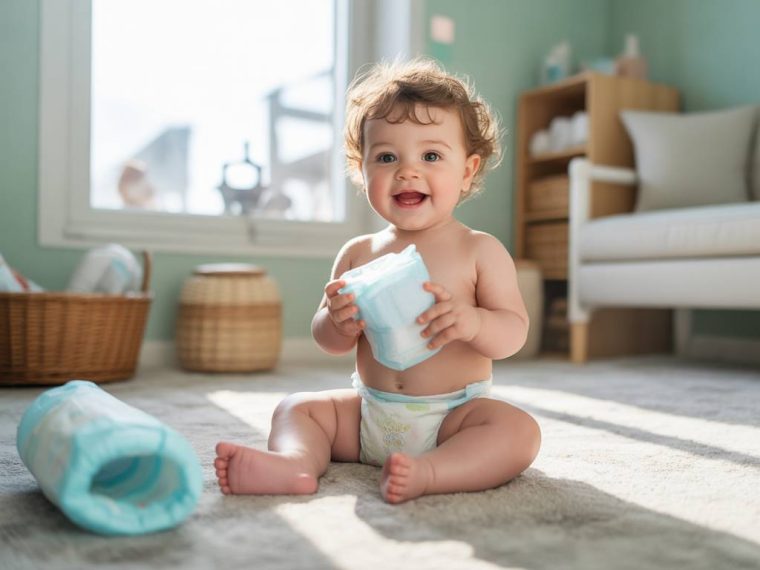
Let’s begin with something we rarely talk about at baby showers but quickly becomes a central (and sometimes overwhelming!) part of our daily rhythm: nappies. Mountains of them. And then bottles. Wipes. Creams. It’s beautiful chaos, isn’t it? Yet, as we navigate those early days blooming with new life, there’s a quiet but persistent tug at many parents’ hearts—how can we care for our babies while caring for the planet they’ll grow up in?
Eco-friendly parenting isn’t about perfection. It’s about making mindful, gentle adjustments—small ripples that can blossom into lasting change. Here are tried-and-tested tips to make your nappy routine and baby essentials more sustainable, without sacrificing ease or comfort (because let’s face it, sleep is already on the endangered species list).
The Great Nappy Dilemma: Disposable vs. Cloth
Most parents have asked it under their breath mid-nappy change, surrounded by wrappers and wipes: “Is there a better way?” The answer is yes—and no one-size-fits-all solution.
Cloth Nappies: A Love Letter to Reusability
Modern cloth nappies are not your grandmother’s terry towels. Today’s reusable nappies come in beautiful prints, are super-absorbent, and fairly easy to wash (promise!). Here are a few reasons to consider them:
- Waste reduction: A baby can go through 4,000-6,000 disposables before potty training. Cloth nappies significantly cut landfill contribution.
- Cost-effective: Although there’s an initial investment, they save money in the long run—and even more if used for multiple children.
- Gentle on skin: Most parents notice fewer rashes and irritation with natural fabrics over synthetic disposables.
Little tip: Most councils offer cloth nappy incentive schemes—rebates, starter packs, or voucher programs. Worth checking!
Eco Disposables: The In-Between Option
If the idea of washing nappies between feeds, naps, and toddler wrangling makes you clutch your coffee cup tighter, no judgment here! There are wonderful eco-disposable alternatives available now—biodegradable, plant-based, and often carbon-neutral.
- Bambo Nature and Kit & Kin are two UK-based brands known for their skin-safe and environmentally thoughtful nappies.
- Look for certifications like OEKO-TEX and FSC—a good clue that you’re choosing a product with integrity.
Even using eco disposables during the day and cloth at night (or vice versa) can create a balanced routine that works for your family.
Wipes: So Small, So Many
Wipes are one of those things you don’t realise you’ve become dependent on until you find one crumpled in every coat pocket, handbag, and coffee mug holder. But many conventional wipes are made with plastic fibres and do not break down (no matter how many times you wish them into the bin).
Enter the greener alternatives—gentler for baby’s skin and the earth:
- Reusable wipes: Simply cut up old muslins or invest in reusable bamboo or cotton cloths. Store in a repurposed container with a gentle homemade wipe solution.
- Compostable wipes: Look for ones made from 100% plant-based materials. Brands like WaterWipes and Jackson Reece offer options that are kind to nature and newborn tushies alike.
Tip from my own changing table: Keep a small wet bag by your changing station and another in your nappy bag for storing used reusable wipes until laundry day.
Bathtime and Skincare Without Chemicals
There’s something quite magical about that first baby bath—a tiny limb waving mid-splash, wide eyes staring in wonder. But a walk through the baby aisle often reveals a cascade of scented, brightly coloured, plastic-wrapped potions. Simplicity is not only sweeter; it’s often safer.
Here’s how to pare it down while keeping things soothing and sustainable:
- Natural soaps and shampoos: Opt for organic, fragrance-free cleansers. Castile soap (with a bit of dilution) works beautifully for baby’s skin.
- Coconut oil and shea butter: These multi-use balms are brilliant post-bath moisturisers, nappy rash barriers, and cradle cap treatments.
- Skip the daily bath: Babies don’t need a daily soak! A gentle sponge bath or top-and-tail clean using reusable cloths is usually enough.
Choosing minimalist, plant-based skincare not only softens your impact—it leaves more room for soaking in the moment (and maybe singing a wee lullaby or two).
Toys and Teethers: Safe for Baby, Safe for Earth
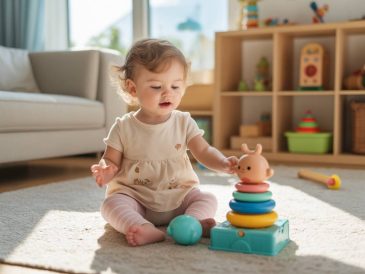
It’s amazing how quickly tiny hands start to explore… and mouth everything. While flashy plastic toys dominate many shop shelves, there’s a quiet beauty—and safety—to be found in eco-conscious playtime.
- Opt for wooden toys: Sustainably sourced wood (like the ones from Plan Toys or Grimm’s) are durable, non-toxic, and charmingly timeless.
- Natural rubber teethers: Brands like Hevea and Natursutten craft teethers free from phthalates, PVC or BPA.
- Handmade stuffed toys: Organic cotton cuddlies—often made by artisan creators on Etsy or local markets—bring softness and soul to playtime.
Plus, investing in high-quality toys often means fewer broken bits ending up in landfill—and more chances to pass them down as heirlooms.
Feeding with Intention: Bottles, Bibs and Beyond
Whether breastfeeding, bottle-feeding, or a combination of both, there are plenty of tender, planet-friendly choices to be made around baby nourishment.
- Glass or stainless steel bottles: Durable and toxin-free. Brands like Pura and Lifefactory offer lovely options that grow with your child (some even transform into snack containers or sippy cups).
- Organic bibs and burp cloths: Natural fibres like organic cotton or bamboo are gentle on sensitive skin and biodegradable after use.
- Breastfeeding pads & covers: Switch to reusable nursing pads made from hemp or bamboo—easy to toss in the wash and oh-so-comfy!
Let’s not forget the heart of it all—feeding your baby is an act of connection, of love. And any little shift toward caring for your environment during that journey only deepens that beautiful bond.
Zero-Waste Baby On The Go
Outings with baby can feel like a military exercise in logistics. (« Did I pack the extra dummy? Why do I have three odd socks? ») But with a few simple swaps, your nappy bag can become a beacon of eco-goodness.
- Reusable nappy wet bags: Keep messes contained and make reusable nappies or wipes practical on the move.
- Silicone snack containers: Lightweight, unbreakable, and free from nasties—perfect as baby begins to explore finger food.
- Refillable water bottles and thermoses: For mum and family—because hydration matters (and we’re trying to ditch those impulse plastic buys).
A Gentle Final Thought
There’s no trophy for the greenest parent, nor should there be guilt where there’s already so much love. Every small change—whether it’s washing one reusable nappy a day, swapping to bamboo wipes, or choosing a wooden rattle over a plastic one—is a gift. To your baby, your planet, and ultimately, to your own peace of mind.
So let’s return, hand in hand, to the soft edges of parenthood—to the lullabies sung during changes, the giggles over sponge baths, and the quiet pride of knowing that love multiplies best when shared gently—with the Earth, and with each other.
With all my heart, and a well-packed nappy bag,
Jade