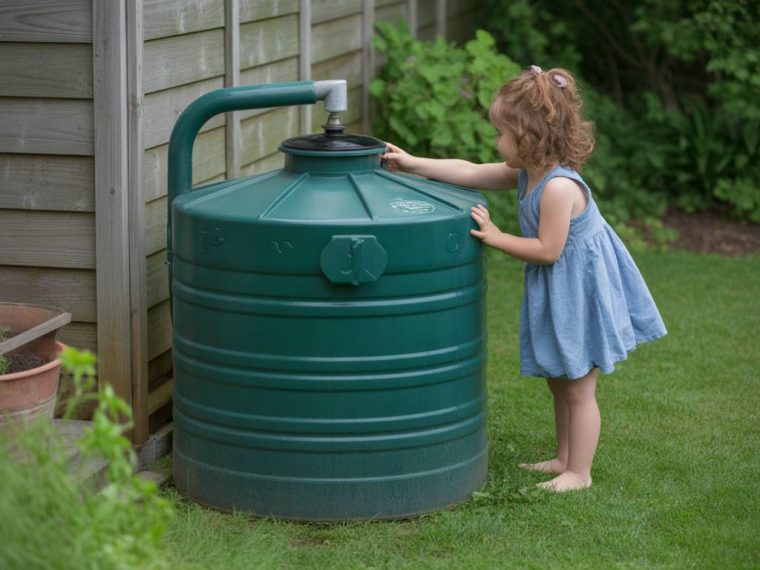
Why Rainwater Harvesting is a Smart Choice for Families
Rainwater harvesting is more than just an eco-friendly trend—it’s a responsible, educational, and cost-effective way for families to contribute to environmental sustainability while nurturing their home gardens. With increasing concerns about water conservation and rising utility bills, many households are exploring ways to supplement their outdoor water needs through more sustainable methods. Harvesting rainwater provides a unique opportunity to teach children about natural resource management and introduces them to environmental stewardship at an early age.
More than just a weekend DIY project, a properly designed family-friendly rainwater harvesting system can support your garden, reduce your dependence on municipal water, and offer valuable learning experiences for kids. Here’s how to create a system that’s efficient, safe, and engaging for every member of your household.
Understanding the Basics of Rainwater Harvesting
Rainwater harvesting involves collecting and storing rain that falls on rooftops and directing it into a storage system for later use. This water can be used for:
- Watering plants and vegetable gardens
- Cleaning outdoor areas
- Refilling birdbaths or small ponds
- Washing garden tools
It’s a simple concept, but building a safe and functional system takes planning. A family-friendly setup ensures easy access and safe interaction for children while keeping water free of contaminants.
Choosing the Right Equipment
When selecting equipment for your rainwater harvesting system, opt for components that are durable, secure, and easy to maintain. A few essentials include:
- Rain Barrels or Cisterns: Choose food-grade plastic barrels with secure lids to prevent mosquito breeding and reduce the risk of contamination. Some models come with child-safe locking mechanisms.
- Gutter Diversion Kits: These kits attach to your downspout and redirect rainwater into your barrel. Look for models with built-in filters to catch debris and leaves.
- Overflow Mechanism: A proper overflow system ensures water safely drains away from your home’s foundation when the barrel is full.
- Spigots and Hoses: Make sure you have a low point spigot for easy drainage and hose attachment. Some parents even install foot-operated pumps to make it fun and easy for kids to water plants independently.
Planning the Location and Design
The placement of your rainwater harvesting system influences its effectiveness and safety. Consider these things when deciding where to install your system:
- Place barrels on a stable, level platform to prevent tipping. Concrete blocks or wooden stands work well and make spigots more accessible to kids.
- Ensure barrels are located near the areas you’ll irrigate, like flower beds or vegetable gardens, to minimize hose length and effort.
- Keep barrels out of direct sun if possible. UV light promotes algae growth. Install in a shaded or semi-shaded area, or wrap barrels in UV-resistant covers.
- Make sure all components are securely fastened and can’t be easily opened or moved by small children.
Involving Children in the Process
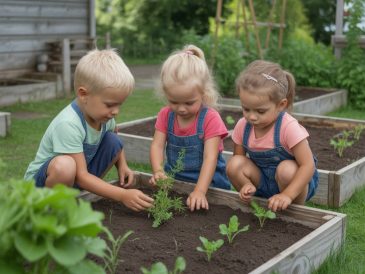
One of the greatest benefits of creating a rainwater harvesting system is the opportunity to involve your children in an engaging and meaningful learning experience. Participation can start at the planning stage and continue through maintenance and usage.
Here are some ways to involve your kids:
- Learning about rain cycles: Sit down with your children and explain the water cycle and how rain benefits plants.
- Decorating rain barrels: Let kids personalize the barrels with weather-resistant paints. Themes like nature, animals, or family handprints make the system theirs.
- Tracking rainfall: Keep a rain journal or install a rain gauge. Challenge children to predict how full the barrel will get during a storm.
- Watering the garden: Set a watering schedule and assign small, age-appropriate responsibilities to each child.
These activities not only cultivate green habits but also promote a sense of responsibility, observation, and teamwork within the family unit.
Ensuring Safety and Hygiene
While involving children is a central theme in a family-friendly system, safety must be a priority. Take the following steps to minimize hazards:
- Secure lids tightly: Always ensure barrel lids are locked or fastened securely to prevent accidental access by toddlers or pets.
- Use filters and screens: Prevent debris, insects, and contaminants from entering the system with fine mesh screens over all openings.
- Discourage drinking: Make it clear to children that rainwater is not potable. Label barrels clearly to avoid confusion.
- Monitor for mold or algae: Check barrels monthly for signs of buildup and clean as needed using eco-friendly cleaning agents.
Installing your system according to best practices and including your whole family in regular maintenance makes for a healthier, happier garden environment.
What to Do with Collected Rainwater
Once your rainwater harvesting system is up and running, you’ll begin to see a new routine emerge in your family’s gardening practices. Collected rainwater is ideal for:
- Vegetable and herb gardens: Rainwater is free from chlorine and fluoride found in tap water, making it ideal for sensitive plants.
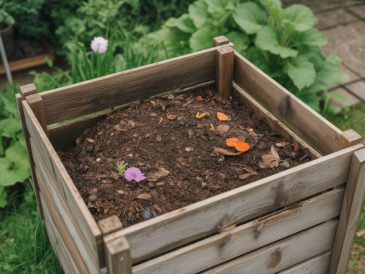
- Composting: Keeping your compost moist helps speed up the breakdown of organic matter. Rainwater is an excellent choice for this purpose.
- Household chores: While not for indoor use, rainwater is great for washing bikes, gardening tools, or even muddy shoes.
Some families even set up a secondary barrel designated for their kids’ experiments or watering stations, allowing them to explore different ways to care for their plants and observe the effects over time.
Recommended Products for Family-Friendly Systems
If you’re looking to get started, several products are especially well-suited to family-friendly rainwater harvesting:
- Gardener’s Supply Company Rain Barrel: A child-safe option with UV protection and a locking lid.
- Oatey Mystic Rainwater Collection System: Easy to install and very effective for use with existing downspouts.
- Rain Harvesting Pty Leaf Eater Advanced Gutter Screen: Keeps your system clean, reducing maintenance time.
- Edu-Toys My Weather Station: Great for young children learning about weather and rainfall through hands-on observation.
Setting up a rainwater harvesting system doesn’t have to be complicated—it can be as simple or sophisticated as you like. With thoughtful planning and family involvement, your family not only conserves natural resources but also builds lasting memories and life skills together.
Rainwater harvesting turns everyday rainfall into a teachable moment and a practical resource. It’s gardening with purpose—one drop at a time.