
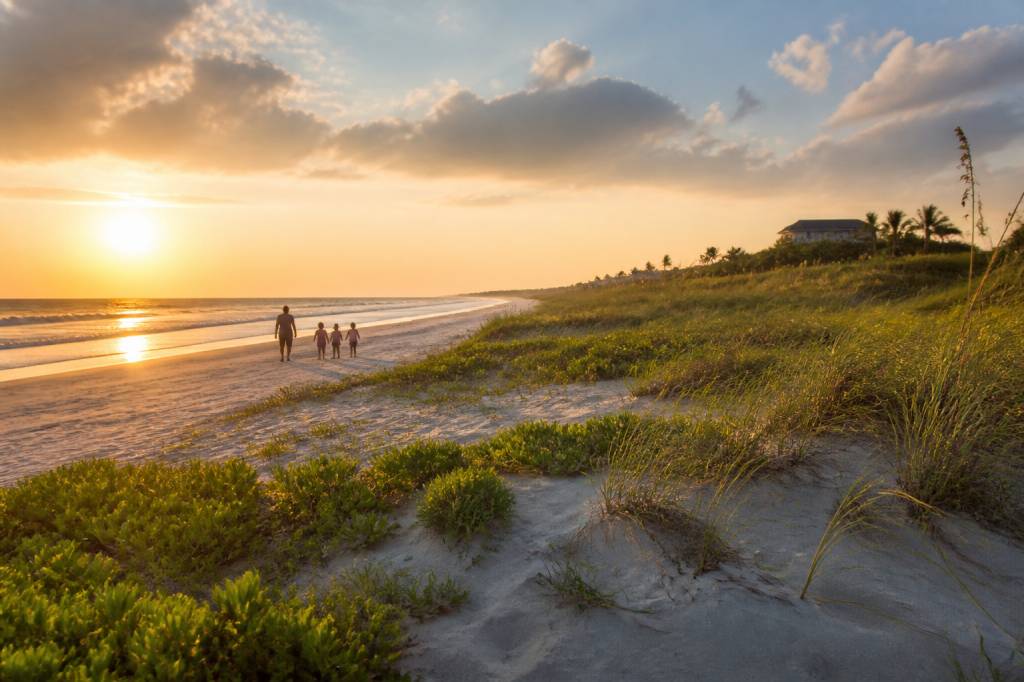
Some beach holidays are made for long afternoons, sandy toes and children who mysteriously need a snack every twelve minutes. Others leave us with sunburn, overflowing bins and the uncomfortable feeling that paradise has paid a rather high price for our visit.
For a family getaway that feels gentler on the planet, Assateague Island National Seashore, on the Atlantic coast of Maryland and Virginia, is a beautiful choice. With its wide, wild beaches, free-roaming horses and protected coastal habitats, it offers the kind of holiday where nature is not simply part of the scenery—it is the main attraction.
There are no towering resorts here, no rows of sun loungers claiming every inch of sand and no noisy amusement park competing with the sound of the waves. Instead, families can paddle in the shallows, watch shorebirds tiptoe along the waterline and fall asleep beneath a sky sprinkled with stars.
Why Assateague Island is such a special family beach
Assateague is a barrier island stretching along the Atlantic coast. One side faces the ocean, with miles of sandy beach, while the other opens onto calm bays, salt marshes and gentle waterways. The island is divided between Maryland and Virginia, with the Maryland section managed as Assateague Island National Seashore and the Virginia section home to Chincoteague National Wildlife Refuge.
Its protected status is one of the reasons it remains so wonderfully unspoilt. Development is limited, wildlife is carefully protected and visitors are encouraged to experience the island without overwhelming it. For families, that creates a refreshing change of pace. There is plenty to do, but very little pressure to do everything.
The famous wild horses are, of course, part of the magic. They wander through the dunes and marshes, sometimes appearing beside a quiet road or grazing near the beach. Children tend to be enchanted. Parents tend to be enchanted too—although everyone should remember that these are wild animals, not oversized ponies waiting for a cuddle.
Keep at least 40 feet away from the horses and never feed them. A horse reaching into your picnic basket may sound like a charming holiday anecdote, but it can quickly become an expensive lesson in wildlife safety.
A beach holiday with a lighter footprint
Assateague’s greatest sustainable strength is its natural simplicity. The island’s beaches, dunes and marshes are protected ecosystems rather than heavily developed entertainment zones. Visiting responsibly helps preserve them for the children currently collecting shells—and for the children they may one day bring here.
The island is also an excellent place to introduce children to the idea that a memorable holiday does not need to involve endless consumption. A bucket, a pair of binoculars and a willingness to look closely can provide more entertainment than a suitcase full of plastic beach toys.
During a walk, you might discover tiny ghost crabs disappearing into the sand, tracks left by a fox or a flock of sanderlings moving together like one shimmering creature. These small moments are easy to miss when we are rushing. On Assateague, they become the day’s highlights.
To keep your visit kind to the island, follow a few simple principles:
- Take all rubbish home or place it in the correct bins.
- Carry a reusable water bottle and refill it whenever possible.
- Stay on marked paths to protect fragile dunes and nesting areas.
- Never disturb shells, eggs, plants or wildlife.
- Keep dogs on a lead where they are permitted, and check local beach rules before arriving.
- Avoid single-use beach items, from plastic cutlery to disposable inflatables.
- Leave the beach as you found it—or, if you spot litter, kindly take a little extra with you.
That last habit can become a gentle family ritual. Give each child a pair of gloves and a small reusable bag, then spend ten minutes collecting safe, visible rubbish. It is not the most glamorous holiday activity, but it can turn into a meaningful one—and perhaps earn everyone an ice cream afterwards.
When to visit Assateague Island
The island is beautiful throughout the warmer months, but the best time for a sustainable family trip depends on the kind of holiday you are hoping for.
Late spring brings mild temperatures, blooming coastal plants and fewer visitors than the height of summer. It is a lovely season for cycling, walking and wildlife watching, although the Atlantic may still feel rather brisk for small swimmers.
Summer is the most popular period, especially from late June through August. The sea is warmer, beach days are wonderfully long and children can enjoy the water with fewer complaints about “freezing fingers”. Book campsites and accommodation well in advance, as availability disappears quickly.
Early autumn is a particularly appealing time for families who prefer quieter beaches. The crowds begin to thin, the air softens and the island takes on a calm, golden feeling. Depending on weather conditions, September can also bring the possibility of seeing migrating birds and other seasonal wildlife.
It is worth checking weather warnings before travelling. The Atlantic coast can experience strong winds, storms and rough surf, particularly during hurricane season. A flexible itinerary is helpful. Sometimes the most sustainable travel choice is simply to slow down, change plans and avoid driving in unsafe conditions.
Where to stay without losing the wild feeling
Camping is the most immersive way to experience Assateague. The Maryland side offers campsites near the ocean and bay, allowing families to fall asleep to the sound of waves and wake to birdsong. Some sites are more exposed than others, so prepare for wind, sand and the occasional determined seagull inspecting your breakfast.
Families new to camping may prefer a site with easier access to facilities. Bring a well-organised kit, but resist the temptation to pack the entire contents of the house. A few useful essentials include:
- A sturdy tent with strong pegs for coastal winds.
- Warm layers, even in summer, as evenings can feel cool.
- Reusable plates, cups and cutlery.
- Biodegradable soap used only where facilities allow it.
- A headlamp for nighttime trips to the bathroom.
- Sun protection, including hats, shade and reef-conscious sunscreen.
- Insect repellent and a basic first-aid kit.
There are also hotels, guesthouses and holiday rentals in nearby communities such as Ocean City, Maryland, and Chincoteague, Virginia. Staying locally can support small businesses, especially when families choose independent accommodation, eat at locally owned restaurants and shop from nearby markets.
Look for accommodation that reduces energy and water use, avoids daily towel changes and offers recycling. Even small choices matter when thousands of visitors make them together.
Simple things to do with children
Assateague is not a destination that requires an ambitious schedule. In fact, overplanning would rather miss the point. Still, a few activities can help families discover the island’s different habitats.
Build a wildlife treasure hunt
Before heading out, create a simple list of things to spot: a heron, a horseshoe crab shell, a dune plant, a bird footprint, a crab hole and three different kinds of cloud. Younger children can draw what they see instead of ticking off words. This encourages observation without collecting or disturbing anything.
Explore the dunes carefully
Dunes protect the island from storms and provide vital habitat for plants and animals. Walk only on designated boardwalks and paths, explaining to children why the grasses should not be trampled. It is a lovely opportunity to show them that the green shoots holding the sand together are doing an important job—even if they do not look especially dramatic.
Try kayaking or paddleboarding
The calmer bays and marshes can be ideal for paddling, depending on conditions and local guidance. Choose a responsible local operator that provides safety equipment, respects wildlife distances and avoids sensitive nesting areas. Children should wear properly fitted life jackets, even in shallow water.
Moving quietly through the water may reveal turtles, fish, wading birds and crabs. It is also a beautiful reminder that sustainable travel can be active without being exhausting. Though, naturally, someone will still ask for a snack halfway through.
Join a ranger programme
National parks and wildlife refuges often offer seasonal talks, guided walks and junior ranger activities. These programmes are designed to make conservation accessible to children, turning complex ideas into stories they can understand.
A ranger might explain how barrier islands shift over time, why sea turtles need dark beaches and how shorebirds survive long migrations. These conversations can stay with children long after the holiday, particularly when they see a familiar bird or shell back at home.
Beach safety and wildlife etiquette
Assateague is beautiful, but its wild character deserves respect. Ocean currents can be strong, and there may not always be lifeguards nearby. Swim only in designated areas when lifeguards are present, keep younger children within arm’s reach and pay attention to flags and local warnings.
Do not approach horses, seals or other wildlife. Avoid feeding birds, even when they appear to be looking at your sandwich with deep emotional commitment. Feeding changes animal behaviour and can make wildlife dependent on people.
Sea turtles may nest on the beaches during the warmer months. If you see a marked nesting area, keep well away and never use flash photography near turtles. At night, use red light if permitted and keep beaches dark. Artificial light can confuse hatchlings, leading them away from the ocean.
Children are often natural conservationists when they understand the reason behind a rule. “Don’t go there” becomes much more meaningful when they learn that a tiny hatchling may be trying to find its way home.
Eating sustainably on the island
Food can be one of the most enjoyable ways to support the local community. Choose locally owned cafés, seafood restaurants and farm shops where possible. Ask about locally sourced ingredients, seasonal produce and sustainable seafood choices.
For beach picnics, pack food in reusable containers. Sandwiches, fruit, vegetable sticks and homemade oat bars travel well without creating a mountain of packaging. Bring a cloth napkin, reusable cutlery and a container for leftovers.
Plan carefully around heat. Keep perishable food chilled and avoid leaving meals unattended, particularly in areas where horses and other animals may wander through. A cool box is useful; a horse-proof cool box is even better.
Families can also reduce waste by buying fewer individually wrapped snacks. A large bag of crackers divided into reusable containers creates less rubbish than a collection of tiny packets—and usually costs less too.
Getting there and travelling thoughtfully
For many families, driving will be the most practical way to reach Assateague Island, particularly when carrying camping equipment. If possible, travel with friends or relatives and share one vehicle. Once on the island, walk or cycle for short journeys rather than driving between every stop.
Bring bicycles if you have space, or look for local rental services. Cycling can be a wonderful way to explore at a child-friendly pace, with plenty of opportunities to stop for water, wildlife spotting and the inevitable request to remove a grain of sand from someone’s eye.
If you are flying from elsewhere in the United States, consider staying for longer rather than making a very short trip. A slower holiday can make better use of the journey and reduce the pressure to pack every activity into a single weekend. Travel is not only about how far we go; it is also about how thoughtfully we spend our time once we arrive.
Small memories, lasting lessons
The loveliest thing about Assateague may be how little it asks from us. There is no need to entertain children every minute. Let them dig, paddle, notice, wonder and become pleasantly tired from fresh air.
Perhaps your family will watch the sunrise with warm mugs of cocoa. Perhaps a child will find a feather and carefully leave it where it lies. Perhaps everyone will share a quiet moment as the wild horses move across the dunes in the evening light.
These are modest experiences, but they carry a quiet kind of richness. A sustainable family getaway is not about being perfect or travelling without impact. It is about making kinder choices, respecting the places we visit and showing children that nature is not an attraction made for us—it is a living home we are lucky to share.
At Assateague Island, the beach remains beautifully untamed. And sometimes, the most precious family memories begin when we put away the timetable, listen to the waves and let the wildness lead the way.