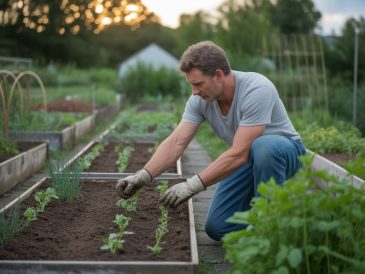
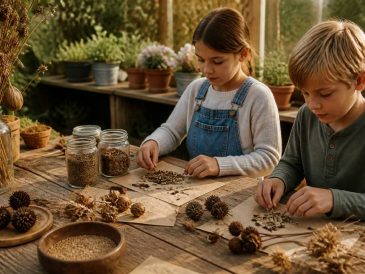
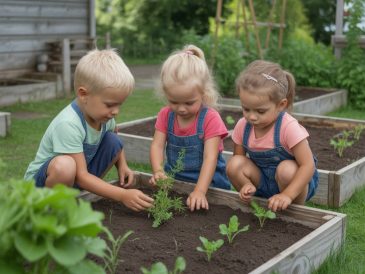
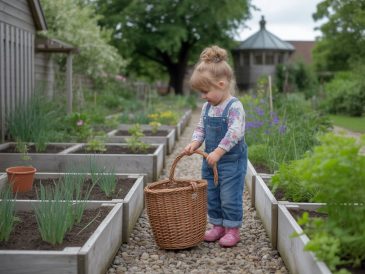
There’s a special kind of magic in watching a tiny seed push through soil on a grey city morning. It’s a quiet reminder that even in the middle of traffic, deadlines and school runs, life knows how to grow.
If you’ve ever looked at your balcony (or windowsill… or the 30 cm strip of light in your kitchen) and thought, “I wish we could grow our own food, but we just don’t have space,” this article is for you.
Urban gardening with kids isn’t about having the perfect south-facing terrace or an Instagram-ready jungle. It’s about doing the best you can with what you have, inviting your children into the process, and discovering that a city can be as fertile as a countryside field – just in miniature.
Why urban gardening is perfect for families
Growing food in the city isn’t just a “nice eco idea.” It genuinely changes family life in small, tangible ways.
Here’s what happens when a pot of soil appears on the balcony:
- Veggies become less “weird”. A child who planted the radish is mysteriously more inclined to taste the radish. It goes from “yuck” to “my radish”. Ownership changes everything.
- Patience (the rarest family resource) gets a gentle workout. Seeds take time. Children watch, wait, water, and learn that not everything is instant – and that slow things can be deeply satisfying.
- Waste starts to look different. Eggshells, coffee grounds, veggie peels… suddenly you’re wondering, “Could this become soil?” Welcome to the circular magic of sustainable living.
- Micro-moments of calm appear. Watering plants on the balcony after school, checking which leaves have grown overnight – these become tiny rituals of connection that don’t require screens, toys, or big plans.
And all of this can happen in a space no bigger than a doormat.
Finding your family’s growing space (even if you think you have none)
Before buying seeds or pots, take a slow walk through your home and ask: Where does light touch us, even for a few hours?
Look out for:
- Windowsills – especially those that get at least 4 hours of light. These are perfect for herbs and microgreens.
- Balconies/terraces – even tiny ones. A single square metre can host a surprising mini-jungle of salad leaves, cherry tomatoes, and beans.
- External steps or fire escapes (where allowed and safe) – often forgotten, but sometimes ideal for a few pots.
- Vertical surfaces – walls, railings, or balcony fences where you can hang planters or attach a vertical garden.
- Shared spaces – a communal courtyard, rooftop, or even a windowsill at work where you can sneak in a pot of herbs.
If your home is very shaded, don’t give up. Some plants are much more forgiving than others. Think leafy greens like spinach and lettuce, or herbs like mint and parsley that tolerate partial shade.
What to grow in a small city space (with kids in mind)
Not all plants are created equal when it comes to impatient little gardeners. You want crops that:
- Grow quickly
- Don’t need huge root space
- Are fun to harvest
- Are actually edible for your family
Some family-friendly urban champions include:
- Salad leaves & spinach – Fast, forgiving, cut-and-come-again. You can sow a little every couple of weeks for a near-continuous harvest.
- Radishes – The sprinters of the veggie world. Some varieties are ready in as little as 4 weeks. Children love pulling them up like tiny buried treasures.
- Cherry tomatoes – A classic balcony crop. Choose compact or “bush” varieties. The taste of a sun-warmed tomato you grew yourself is an instant lesson in why local, seasonal food matters.
- Herbs (basil, mint, chives, parsley, thyme) – They smell amazing, transform simple meals, and are easy to grow in small pots.
- Strawberries – Especially hanging baskets or vertical planters. They’re perennial, so if you care for them, they come back year after year.
- Climbing beans or peas – They grow upwards, not outwards, which is perfect for tiny spaces. Kids love picking the pods and unzipping peas like nature’s little puzzles.
- Microgreens – Sunflower shoots, radish greens, pea shoots. Grown densely in shallow trays, harvested within 1–3 weeks, and nutrient-packed.
Tip: Let your children choose one plant each. It’s their “project”. They name it, water it, and report back on its progress. It’s a gentle way of giving them responsibility without making it a chore chart.
Containers: growing food without a garden
In urban spaces, your soil lives in containers – so choosing and using them well makes all the difference.
You can grow in:
- Classic plant pots – Clay or recycled plastic. Go for the largest you can fit; more soil means more stable moisture and happier plants.
- Window boxes – Ideal for herbs and salads. Make sure they are safely fixed, especially if you live high up.
- Upcycled containers – Buckets, old drawers, food-grade crates, large tins with holes punched in the bottom. Urban gardening is a great excuse to give objects a second life.
- Grow bags or fabric pots – Lightweight, breathable, and space-efficient. Great for tomatoes, potatoes, and peppers.
- Vertical planters – Hanging pockets, pallet gardens, shelves. These are especially useful when your floor space is limited but you have a wall or railing.
Whatever you use, make sure of two things:
- Drainage holes – Otherwise, your plants will drown at the first enthusiastic toddler watering session.
- Saucer or tray underneath – To protect your floors and keep moisture available for a little longer.
Involve the kids in decorating the pots. A few paints or markers, some stickers, maybe a name tag – suddenly, the container isn’t just “a pot,” it’s “Liam’s Tomato Palace.”
Sustainable soil and fertiliser choices
Soil is the quiet hero of any garden, but especially in containers, where plants depend completely on what you give them.
For a more sustainable setup:
- Choose peat-free compost – Peat extraction destroys precious habitats and releases stored carbon. Most garden centres now offer good quality peat-free options.
- Add structure – Mix in a bit of coir, leaf mould, or well-rotted compost (if you have your own) to improve drainage and water retention.
- Reuse soil thoughtfully – At the end of the season, don’t throw soil away. Refresh it by mixing in new compost and rotating what you plant in each pot.
For nutrients, you don’t need synthetic fertilisers. There are gentler, circular options:
- Homemade compost – Even in a flat, a small worm bin or bokashi system can transform kitchen scraps into powerful plant food.
- Plant-based liquid feeds – Nettle or comfrey teas (if you have access), or certified organic liquid feeds from the shop.
- Eggshells & coffee grounds – Crushed eggshells can lightly add calcium; used coffee grounds can be sprinkled lightly or added to compost. Just don’t overdo it – moderation is key.
Invite your children into this alchemy: “Remember that banana peel? It’s feeding the tomatoes now.” They start seeing waste not as an end, but as the beginning of something new.
Watering wisely in the city
Water is where sustainability and practicality really meet in urban gardening. Containers dry out faster than garden beds, especially on hot balconies.
To keep your plants – and your water bill – happy:
- Check soil, not schedules – Teach kids to gently stick a finger into the soil. If the top 2–3 cm are dry, it’s time to water. If it’s still moist, wait.
- Water early or late – Morning or evening watering reduces evaporation and stress on plants.
- Water the soil, not the leaves – Aim at the base of the plant to minimise fungal problems and wasted water.
- Mulch the surface – A thin layer of straw, shredded leaves, or even torn cardboard pieces helps keep the soil moist longer.
If you have space and regulations allow it, a small balcony water butt or rainwater collector (sometimes simply a container under a downpipe) is a beautiful way to connect your family directly to natural water cycles.
Creating a child-friendly garden routine
A sustainable family garden needs one more crucial ingredient: it has to fit your real life, not the imaginary life where mornings are serene and nobody loses socks.
Some ideas to keep things manageable:
- Start small – Two pots and a windowsill tray are enough. It’s better to care well for a few plants than feel guilty about a jungle you can’t maintain.
- Anchor it to existing routines – Watering after breakfast, a quick plant check after school, a weekend “harvest moment” before lunch. Tiny rituals, not big projects.
- Share responsibilities playfully – One child is on “water patrol,” another on “slug watch,” another on “harvest manager.” Rotate roles to keep it fun.
- Accept imperfection – Some plants will fail. Some leaves will be nibbled. This is not you “doing it wrong”; this is simply… nature.
When something dies (and something will), resist the urge to hide it. Instead, invite the kids into the reality of cycles: “This plant is finished. Let’s thank it and see what we can grow here next.” It’s a gentle, living lesson about change, loss, and renewal.
Making your urban garden wildlife-friendly
Even in the city, your balcony or windowsill can become a tiny oasis for urban wildlife – bees, butterflies, ladybirds, and birds looking for a safe snack.
To welcome them in:
- Choose pollinator-friendly flowers – Calendula, nasturtiums, lavender, marigolds, and borage not only feed insects but are often edible or beneficial for your veggie patch.
- Avoid pesticides – Especially chemical sprays. They’re harmful to insects, children, and the delicate micro-ecosystem you’re trying to nurture.
- Offer water – A shallow dish with pebbles gives bees and small insects a place to drink safely. Kids love refilling it and checking “who visited today.”
- Leave mini wild corners – A pot with a bit of leaf litter, a couple of stones, or a small insect hotel can give bug friends a place to hide.
Suddenly, your children aren’t just growing plants; they’re hosting an entire tiny community.
Simple kid-friendly projects to try this month
If you’re not sure where to start, here are a few easy, low-cost ideas you can begin almost any time of year (adjusting varieties to your season and climate):
- Windowsill herb trio
Three small pots, three herbs of your choice. Kids can be in charge of cutting a few leaves when you cook. Ask: “Which herb do we add to tonight’s pasta?” and let them taste and decide. - Salad-in-a-box
A shallow box or tray, some peat-free compost, and a mix of salad seeds. Scatter, cover lightly, water, and in a few weeks, you’re cutting your own leaves for sandwiches and lunches. - Bean teepee in a pot
Place 3–5 canes in a circle inside a large pot and tie them at the top. Sow climbing beans around them. As they grow, they form a magical mini teepee – perfect for little fingers to explore. - Strawberry hanging garden
One hanging basket, a few strawberry plants, and a promise: “When they turn red, we’ll eat them straight from the plant.” Motivation guaranteed. - Microgreen treasure tray
A flat tray, a thin layer of compost, and quick-growing microgreen seeds. Mist with water and watch daily. Within days, you have something to taste. Perfect for very young children who need fast feedback.
Connecting the dots: from balcony to plate
Growing food is powerful, but the magic really lands when children see it arrive on their plate.
You don’t need elaborate recipes. Think:
- Tomato and basil on toast
- Radish slices with butter and salt
- Strawberries with yoghurt
- Herbs sprinkled on scrambled eggs or soup
- Pea shoots in a simple sandwich
Invite your child: “You grew this. How should we eat it?” That one sentence makes them not just a helper, but a co-creator of family meals.
It’s also a gentle way to talk about where food usually comes from: the trucks, the packaging, the long journeys – and how sometimes, food can just travel a few metres from pot to plate.
When life gets busy (and the plants look sad)
There will be weeks when homework, teething, or work deadlines push the garden off your radar. You’ll look up and realise the balcony looks more like a plant graveyard than a green haven.
Breathe. This is not failure. This is family life.
Here’s how to reset, gently:
- Call a “garden reset afternoon” – Put on some music, bring a snack outside, and tidy together for 30 minutes. Remove dead plants, refresh soil in a couple of pots, replant a few easy seeds.
- Choose one “anchor plant” – If you can only care for one thing right now, let it be that single tomato, or that one herb pot. It’s enough.
- Use it as a story, not a shame – “We forgot to water for a while, and the plants didn’t like it. Let’s see what we can do differently this time.”
Your children aren’t learning that you “couldn’t keep a plant alive.” They’re learning that it’s okay to begin again, to try differently, to start small after a hard patch. That’s a lesson they’ll use well beyond gardening.
Growing more than food
In the end, urban gardening with your family isn’t just about cucumbers and compost. It’s about creating a small, living corner in the city where your children can touch the earth, see the seasons, and feel part of something quietly bigger than themselves.
It’s the memory of little hands patting down soil, the shared delight of discovering the first tomato blushing red, the whispered “look!” when a bee lands on the lavender you planted together.
You don’t need a big garden to offer this to your children. You just need a pot, a bit of light, a handful of soil, and the willingness to begin – imperfectly, joyfully, right where you are.
And maybe, next time you open the balcony door to hang the laundry, you’ll also step out with your child, touch a leaf, and think, “We’re growing something beautiful here.”