Introducing children to zero-waste living doesn’t have to be complicated, preachy, or guilt-inducing. In fact, it works best when it’s playful, simple, and rooted in everyday family life. Small habits, repeated often, can have a powerful impact on how your children see the world and their place in it.
Below are ten simple activities you can weave into your daily routine to gently introduce your kids to a more sustainable, low-waste lifestyle. They’re practical, age-flexible, and many of them can become fun family rituals. Along the way, you can also discover eco-friendly products that support these new habits and make them easier to maintain.
Create a Zero-Waste Snack Station at Home
Food packaging is one of the biggest sources of household waste. Transform snack time into a hands-on, zero-waste lesson by creating a dedicated snack station your kids can manage themselves.
Set up a drawer or shelf with:
Invite your child to “shop” at the snack station instead of grabbing individually wrapped items. You can say something like, “We’re going to skip the plastic wrappers and use our special containers instead.” Over time, they’ll associate reusable containers with independence and choice, rather than sacrifice.
If you want to go further, you can compare the trash bin after a week of individually wrapped snacks and after a week of using bulk snacks and reusable containers. Let your children observe the difference with their own eyes.
Make a Game Out of Sorting Waste
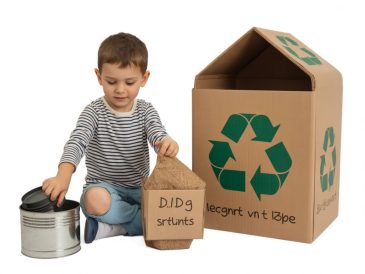
Recycling and composting can be confusing, even for adults. Turning sorting into a game helps kids learn the basics without long explanations.
Start by clearly labeling your bins:
Use colors or drawings: a banana peel on the compost bin, a soda can on the recycling bin, a “mystery” symbol for landfill. For younger children, keep it very visual.
Then, play a quick sorting game once or twice a week. Take clean items from your recycling pile and ask, “Where do you think this goes?” Let them guess and explain why. Celebrate their right answers and gently correct mistakes: “This plastic looks recyclable, but this type actually has to go in the regular trash. Let’s look for the recycling symbol together.”
As they grow older, you can involve them in checking your city’s recycling guidelines and updating the family “rules.” That sense of responsibility is a powerful motivator.
Host a Weekly “No-Waste Wednesday” Dinner
Children love rituals, and having a special evening dedicated to zero-waste habits can make the concept feel exciting rather than restrictive.
On your chosen day, aim for:
Invite your kids to help plan the “No-Waste Wednesday” menu. Ask questions like, “What can we make with the leftover rice?” or “Which veggies are getting soft, and how could we use them tonight?”
You can even add a small ritual, such as everyone sharing one eco-friendly thing they did that week—walking instead of driving, refilling a water bottle, repairing a toy instead of replacing it, and so on.
Pack Zero-Waste Lunches Together
School lunches and outings are prime opportunities to practice zero-waste habits. Instead of secretly packing an eco-friendly lunch for your child, involve them in the process.
Gather your tools:
Ask your child to help choose what goes into the lunch box and how to pack it. They can pour yogurt into a small jar instead of using a disposable cup, wrap a sandwich in beeswax wrap, or put berries in a reusable container instead of a plastic bag.
Over time, they learn that “packed” doesn’t have to mean “wrapped in plastic,” and they’ll start noticing other children’s lunches and asking questions. That curiosity is the first step toward deeper understanding.
Start a Tiny Home Compost or Worm Farm
Nothing fascinates children quite like watching waste turn into something new and alive. Composting is science, magic, and responsibility in one simple activity.
Even if you don’t have a garden, you can try:
Explain that food scraps don’t just “disappear” in the trash. Show them how vegetable peels, eggshells, and coffee grounds go into the compost, while plastic and metal do not. With a worm farm, children can feed the worms, check the moisture level, and watch the slow transformation into rich soil.
If you have plants—indoor pots, herbs on the windowsill, or a small garden—use your compost there. Tell your child, “These peels became food for our plants,” and let them help with watering and harvesting.
Organize a Toy and Book Swap with Friends
Children outgrow toys and books quickly, and constant buying creates clutter and waste. A simple swap event introduces the idea that new-to-you can be just as exciting as brand-new.
Invite a few families and ask each child to bring items they no longer use but that are still in good condition. Set up different “stations” (puzzles, dolls, building sets, books), and let them browse and choose something they like.
This activity teaches that:
You can reinforce the message by talking about where toys come from—factories, materials, shipping—and how giving them a second life is kinder to the planet.
Turn Old Clothes into Creative Projects
Children quickly see clothing as disposable when they’re used to constant new purchases. Transforming old clothes into something fun helps shift that mindset.
Instead of throwing out worn t-shirts or socks, use them for:
As you upcycle together, talk about the journey of clothes: the cotton fields, the factories, the transport. Keep it age-appropriate and positive: “When we reuse things, we give them another adventure instead of sending them to the trash.”
Over time, kids are more likely to ask, “Can we fix this?” before they ask, “Can we buy a new one?”
Create a “Reuse Box” for Crafts
Art time is often synonymous with glitter, stickers, and single-use plastic supplies. A “reuse box” turns everyday packaging into creative treasures.
Set aside a small box or basket where you store:
When your children ask to do a craft, invite them to “shop” in the reuse box first. Encourage them to imagine: “What could this box become? A robot? A house? A race car?”
Not only does this reduce waste, it also nurtures creativity and problem-solving. They learn that beautiful or fun things don’t always come from a store—they can emerge from what you already have.
Make Reusable Shopping Kits a Family Habit
Shopping trips are a natural moment to practice zero-waste habits outside the home. Create a simple “family shopping kit” that lives by the front door or in the car so it’s easy to grab.
Include:
Give each child a small role: one is responsible for carrying the produce bags, another for holding the list, another for placing items in the cart. Point out when you skip plastic: “We’re using our own bag so we don’t need a plastic one.”
Over time, they’ll start reminding you if you forget the bags—a clear sign that the habit is taking root.
Track Your Family’s Progress with a Simple Chart
Children enjoy seeing their efforts add up. A visual tracker can make the invisible impact of zero-waste actions more concrete and motivating.
Create a simple chart or poster and choose a few behaviors to track, such as:
Each time they practice one of these habits, they add a sticker, star, or drawing to the chart. When you’ve reached a certain number, celebrate with an experience-based reward—an outdoor picnic, a family bike ride, or a visit to a local farm—rather than buying something new.
By connecting eco-friendly actions with positive experiences, you’re helping them build a lifelong association between caring for the planet and feeling proud, capable, and connected as a family.
In the end, these small, simple activities matter more than perfection. Children learn through imitation and repetition. When they see you choosing reusable items, repairing, swapping, and celebrating small wins, they’re not just learning “zero waste”—they’re learning to value resources, community, and creativity in their everyday lives.